Drought, fires, deforestation battered Amazon rainforest in 2024
The Hindu
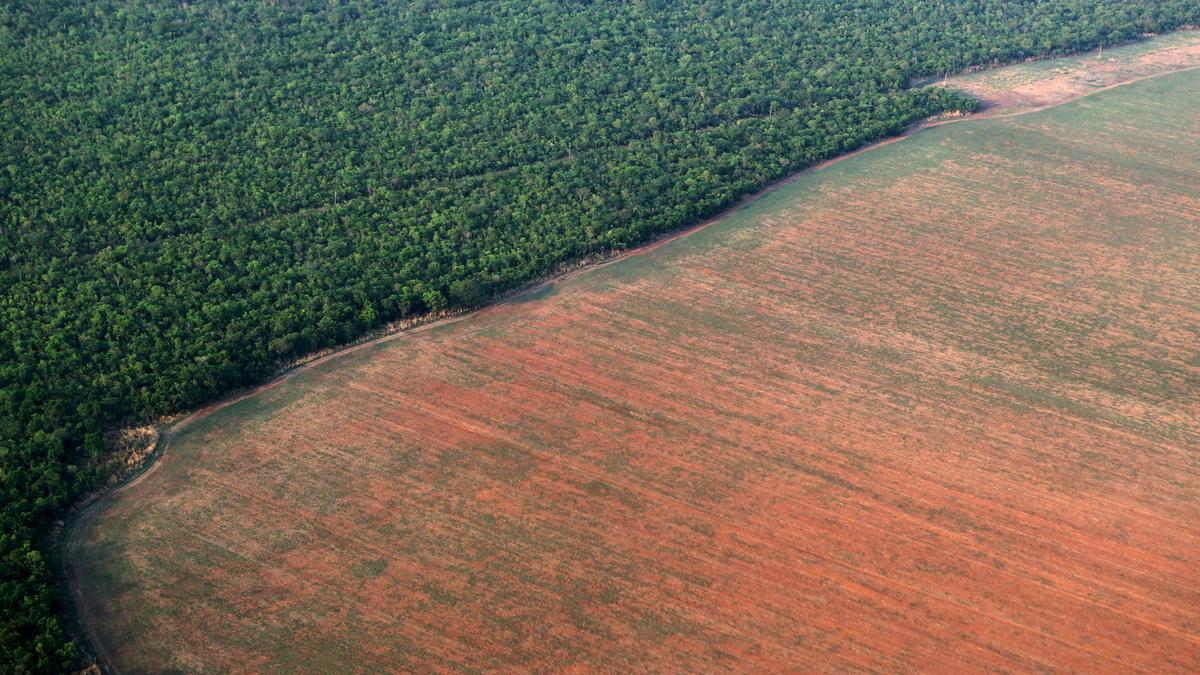
2024 was a brutal year for the Amazon rainforest, with rampant wildfires and extreme drought ravaging large parts of a biome that’s a critical counterweight to climate change.
2024 was a brutal year for the Amazon rainforest, with rampant wildfires and extreme drought ravaging large parts of a biome that's a critical counterweight to climate change.
A warming climate fed drought that in turn fed the worst year for fires since 2005. And those fires contributed to deforestation, with authorities suspecting some fires were set to more easily clear land to run cattle.
The Amazon is twice the size of India and sprawls across eight countries and one territory, storing vast amounts of carbon dioxide that would otherwise warm the planet.
It has about 20 per cent of the world's fresh water and astounding biodiversity, including 16,000 known tree species. But governments have historically viewed it as an area to be exploited, with little regard for sustainability or the rights of its Indigenous peoples, and experts say exploitation by individuals and organised crime is rising at alarming rates.
“The fires and drought experienced in 2024 across the Amazon rainforest could be ominous indicators that we are reaching the long-feared ecological tipping point,” said Andrew Miller, advocacy director at Amazon Watch, an organisation that works to protect the rainforest. “Humanity's window of opportunity to reverse this trend is shrinking, but still open.” There were some bright spots. The level of Amazonian forest loss fell in both Brazil and Colombia. And nations gathered for the annual United Nations conference on biodiversity agreed to give Indigenous peoples more say in nature conservation decisions.
“If the Amazon rainforest is to avoid the tipping point, Indigenous people will have been a determinant factor," Miller said.
Forest loss in Brazil's Amazon — home to the largest swath of this rainforest — dropped 30.6 per cent compared to the previous year, the lowest level of destruction in nine years. The improvement under leftist President Luiz Inácio Lula da Silva contrasted with deforestation that hit a 15-year high under Lula's predecessor, far-right leader Jair Bolsonaro, who prioritised agribusiness expansion over forest protection and weakened environmental agencies.


Amit Shah reviews Manipur's security, urging the CM to tackle drug cartels and aid displaced communities after ethnic violence.

Kerala's fisherfolk urge political parties to address livelihood concerns, demanding fair pricing, rule enforcement, and better support during elections.

Moderate rainfall in Visakhapatnam brings relief but causes traffic disruptions and power outages across the city.

Shubman Gill’s Gujarat Titans banks on its tried-and-tested formula

Agriculture Ministry reviews unseasonal rains' impact, assesses farm losses, and discusses relief measures for affected farmers.

Premium petrol prices rise by ₹2 per litre, but government claims no impact on the common man amidst global oil tensions.

Kum. Veerabhadrappa’s acclaimed novel Aramane has been adapted into a television serial. Kannada channel DD Chandana (Doordarshan) has launched the serial with the same name. National Award-winning filmmaker Mansore is the director behind the project,

Diya Chitale and Manav Thakkar reach semifinals, while Yashaswini Ghorpade upsets top seed Sreeja Akula at National TT Championships.

DYFI criticizes A.P.'s job calendar for failing unemployed youth, demanding a revision to include 1 lakh posts and higher age limits.

‘Lethargic’ officials who left Chambal sanctuary to the mercy of sand miners will be held liable: SC
Supreme Court holds negligent officials accountable for enabling illegal sand mining in Chambal Sanctuary, emphasizing habitat protection laws.

Work on the Srisailam Left Bank Canal tunnel resumes after 13 months, with completion targeted by 2027-end, says Minister Reddy.

Ancient ‘Vanni’ tree at Sri Meenakshi Sundareswarar Temple tilts; steps on to restore it

Bengaluru Metro penalises 14 passengers for disrupting services with loud singing, following a viral clip of their antics.