Delhi High Court sets aside CIC order to disclose tax exemptions sought by Ayodhya Ram temple trust
The Hindu
The Delhi HC set aside an order that directed the Central Board of Direct Taxes to provide information related to tax exemptions/ deductions sought by the trust, which manages the Ram Temple in Ayodhya
The Delhi High Court has set aside an order issued by the Central Information Commission (CIC) that directed the Central Board of Direct Taxes (CBDT) to provide information related to tax exemptions/ deductions sought by the Shri Ram Janmabhoomi Teerth Kshetra Trust, which manages the Ram Temple in Ayodhya.
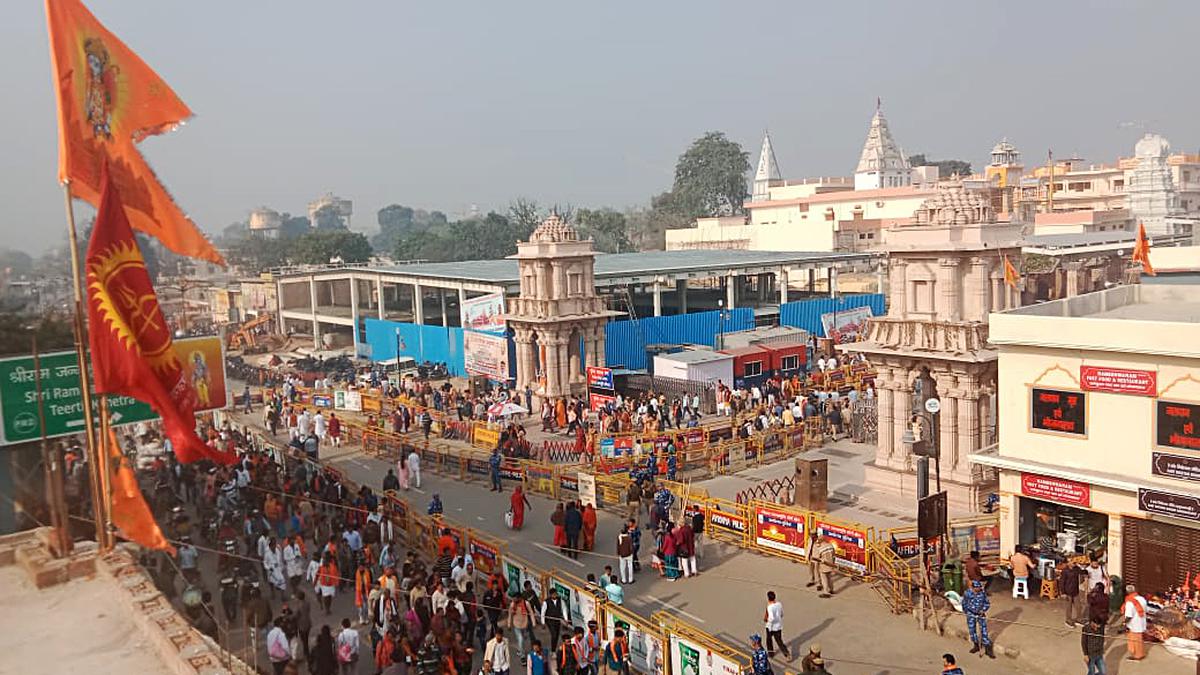
The Shri Ram Janmabhoomi Teerth Kshetra Trust was set up by the Union government in February 2020 for the construction and management of the Ram Mandir, following the orders of the Supreme Court. The trust, which has 15 members, has collected about ₹3,500 crore in donations since its establishment. The temple trust disclosed that it had received donations of up to ₹25 crore since January 22, when the temple was consecrated by Prime Minister Narendra Modi.
Following a query under the Right to Information Act (RTI Act), the CIC directed the CBDT in November 2022 to share the complete details of applications filed by the Ram temple trust for getting exemptions/ deductions under Section 80G(2)(b) of the Income Tax Act for its donations.
The RTI application was filed by Kailash Chandra Moondra. He had also sought a copy of the trust deed, which was filed with the applications for the above mentioned purposes.
The judgment was delivered by the single-judge Bench of Justice Subramonium Prasad on February 28, which said that it is open to the petitioner to approach the appropriate authority under the Income Tax Act
Counsel representing the government maintained that the information pertaining to an assessee cannot be granted under the RTI Act in view of Section 138(1)(b) of the Income Tax Act, 1961.
While setting aside the CIC order on February 28, the court relied on one of its judgments passed on January 22 in which it had set aside another CIC order that directed the IT Department to provide details of tax exemption granted to the PM Cares Fund under the RTI Act.


Abhishek Banerjee challenges BJP's Suvendu Adhikari in Nandigram, pledging community health initiatives if Trinamool Congress wins.

Rising LPG shortages in Karnataka boost firewood demand, reviving an informal market as households and hotels seek alternatives.

Against the backdrop of intense poll activity, a 400-metre stretch of an arterial road in the outskirts of Chennai (technically in Madurapakkam panchayat under Tambaram assembly constituency) presents a salute to the idea of res publica, which underpins India’s system of governance, where citizens have a say, at least before a government is securely ensconced in the seat of power. A Republic Day initiative shines bright every night

Fadnavis claims zero FIR in Ajit Pawar crash is a defamation attempt by Karnataka against Maharashtra's investigation efforts.

Set to unfold as a one-day pop-up on April 5, the Easter Sadya brings together both vegetarian and non-vegetarian menus, offering a peek into the food traditions of the Syrian Christian (Nasrani) community. While the traditional Sadya is often associated with dishes such as sambar, avial, and rice, this version expands to include community-specific festive dishes.

BJP nominates mother of R.G. Kar victim Abhaya to contest from Panihati in West Bengal Assembly elections.

Veteran Malayalam actor-director E.A. Rajendran passes away at 71, leaving behind a rich legacy in the film industry.

Dakshina Kannada Zilla Panchayat has rolled out digital mode of water bill generation and collection in 23 gram panchayats on a pilot basis for the first time in Karnataka. This is set to be extended to the remaining 200 panchayats shortly, according to the Zilla Panchayat Chief Executive Officer Narwade Vinayak Karbhari.

Bengaluru police questioned a man carrying ₹6 lakh for medical expenses at Vidhana Soudha, later releasing him after verification.

BJP accuses Bengaluru's Congress government of corruption in e-Khata issuance, halting infrastructure projects due to financial mismanagement.

Misinformation in Hyderabad sparks panic buying, causing disruptions as residents react to unfounded rumors of an impending lockdown.

Bengaluru Metro extends services until 2 a.m. on March 28 for IPL match, ensuring convenient travel for spectators.

A bus truck-collision in Andhra Pradesh's Markapuram district, killing several. Catch LIVE updates here!