Deep-sea mining threatens sea life by dumping debris in midwater zone Premium
The Hindu
Beneath the Pacific Ocean southeast of Hawaii, a hidden treasure trove of polymetallic nodules can be found scattered across the seafloor. The nodules are rich in metals which are key ingredients for batteries, smartphones, wind turbines and military hardware.
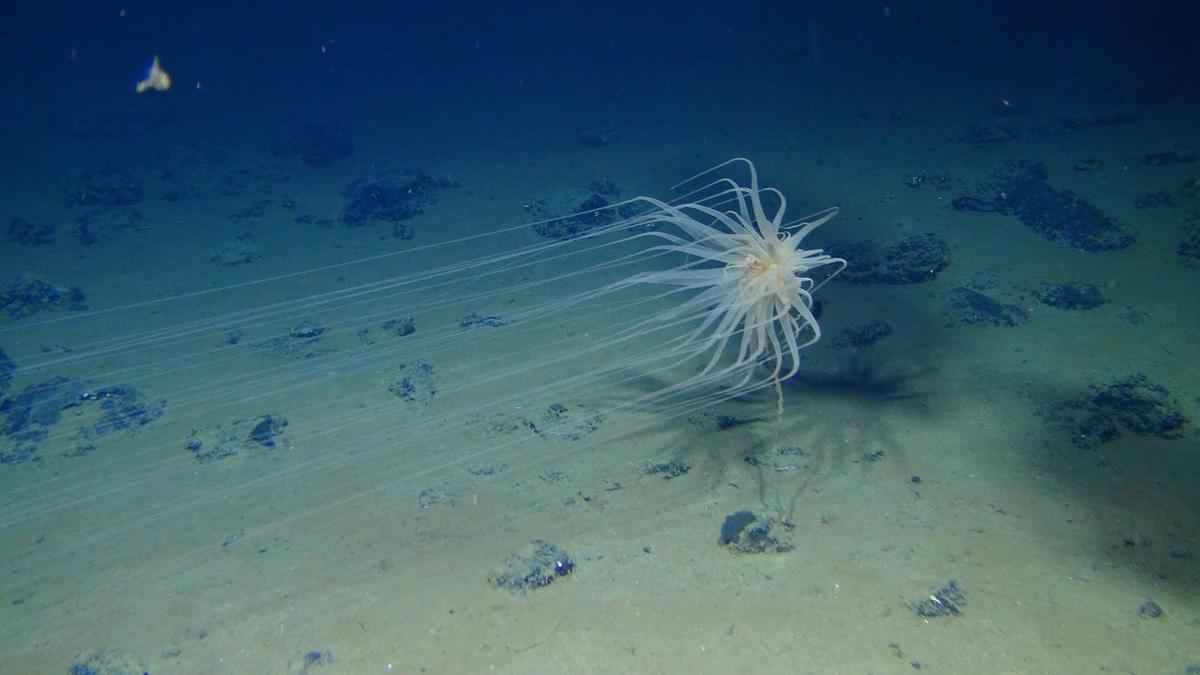
Picture an ocean world so deep and dark it feels like another planet – where creatures glow and life survives under crushing pressure.
This is the midwater zone, a hidden ecosystem that begins 650 feet (200 meters) below the ocean surface and sustains life across our planet. It includes the twilight zone and the midnight zone, where strange and delicate animals thrive in the near absence of sunlight. Whales and commercially valuable fish such as tuna rely on animals in this zone for food. But this unique ecosystem faces an unprecedented threat.
As the demand for electric car batteries and smartphones grows, mining companies are turning their attention to the deep sea, where precious metals such as nickel and cobalt can be found in potato-size nodules sitting on the ocean floor.
Deep-sea mining research and experiments over the past 40 years have shown how the removal of nodules can put seafloor creatures at risk by disrupting their habitats. However, the process can also pose a danger to what lives above it, in the midwater ecosystem. If future deep-sea mining operations release sediment plumes into the water column, as proposed, the debris could interfere with animals’ feeding, disrupt food webs and alter animals’ behaviors.
As an oceanographer studying marine life in an area of the Pacific rich in these nodules, I believe that before countries and companies rush to mine, we need to understand the risks. Is humanity willing to risk collapsing parts of an ecosystem we barely understand for resources that are important for our future?
Beneath the Pacific Ocean southeast of Hawaii, a hidden treasure trove of polymetallic nodules can be found scattered across the seafloor. These nodules form as metals in seawater or sediment collect around a nucleus, such as a piece of shell or shark’s tooth. They grow at an incredibly slow rate of a few millimeters per million years. The nodules are rich in metals such as nickel, cobalt and manganese – key ingredients for batteries, smartphones, wind turbines and military hardware.
As demand for these technologies increases, mining companies are targeting this remote area, known as the Clarion-Clipperton Zone, as well as a few other zones with similar nodules around the world.


Discover the Minor Planet Centre, the key hub for tracking and verifying observations of small solar system bodies.

Discover the Minor Planet Centre, the key hub for tracking and verifying observations of small solar system bodies.

In this week's Science for All newsletter, XX explains

Test your knowledge with the quiz on Science films at the Oscars through history

Set between the Siwalik hills and the plains, Butwal offers travellers a mix of regional cuisine, pilgrimage trails to Lumbini and the comfort of Hyatt’s new hospitality landmark

Explore 2026's wallpaper trends in India, highlighting botanicals and handmade designs that enhance modern homes with nature-inspired aesthetics.

Mercedes-Benz CLA 250+ with EQ Technology review: design, performance, range and features explained. Discover how the new electric CLA combines advanced AI, long range, fast charging and futuristic styling for the next generation of luxury EVs.

AI tool for sparrow conservation

BTS’s comeback with ‘Arirang’ marks a major global music event. When does the album release, and where can you watch their concert live stream? We have all the details

The 2026 U.S. cholesterol guidelines urge starting screening and treatment at 30 to prevent cardiovascular disease effectively.

Olam Festival 2026 in Thiruvananthapuram returns March 27-29 with 120+ vendors, music, art, and cultural zones.

A few storytellers in Thiruvananthapuram share their journeys, challenges, and evolving methods on World Storytelling Day, inspiring young minds.

76-year-old Kurian Jacob from Kerala triumphs with seven medals, including five golds, at the Open Masters Games in Abu Dhabi.