‘D/O Prasad Rao Kanabadutaledu’ series review: This vigilante thriller confuses pace with nuance
The Hindu
"D/O Prasad Rao Kanabadutaledu" offers a fast-paced vigilante thriller that disappoints with shallow characters and a conservative outlook.
We live in times when filmmakers are increasingly insecure about keeping restless viewers invested in a story. This has resulted in storytellers shaping narratives that frenetically jump from one sequence to another, without context or substance, so that distraction may not be an option. The characters do not talk; they shout. And the bombastic background score screams for attention. Every scene turns into a loud statement.
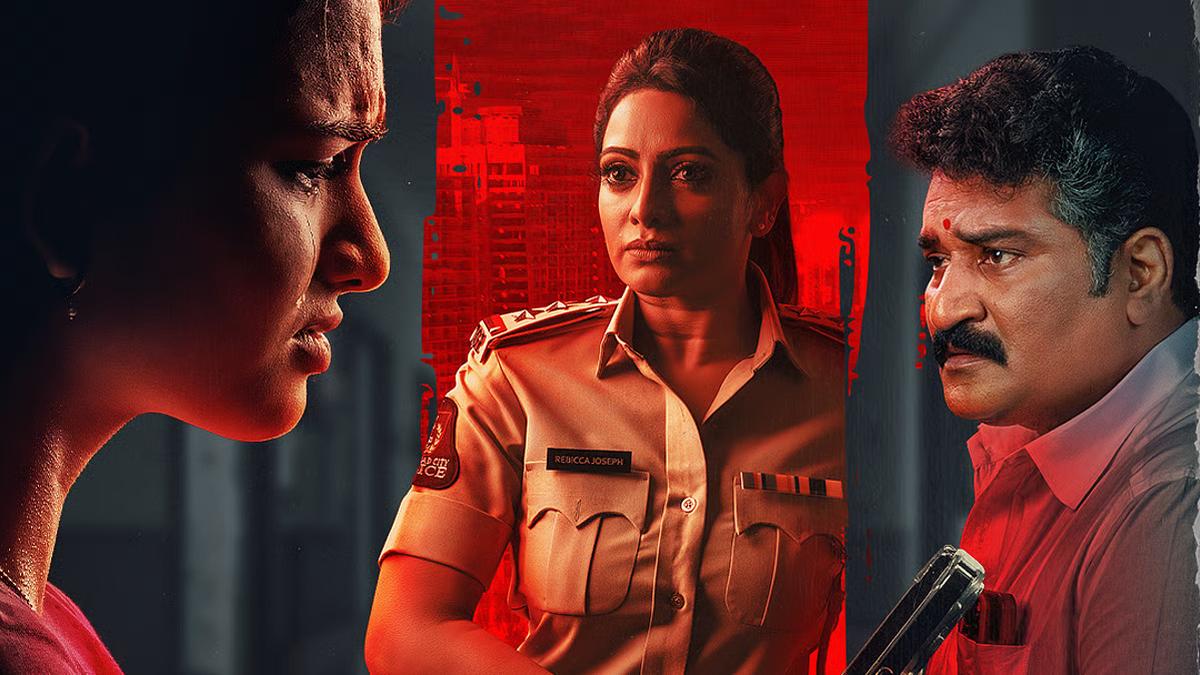
ZEE5’s Telugu web series D/O Prasad Rao Kanabadutaledu (Prasad Rao’s daughter is missing), helmed by Krishna Poluru, takes this desperation to new heights. While leaving little to a viewer’s imagination right from its title, the show shifts between three timelines that influence the events in the life of a missing girl. The crime scene is visualised as a narrative hook to unpack discussions on conservative parenting, the dreams and aspirations of a girl child, intergenerational trauma and vigilante justice.
Prasad Rao (Rajeev Kanakala) is on the lookout for his daughter, Swati (Vasanthika Macha), who has not attended his calls for hours. Rebecca Joseph (Udayabhanu), a police officer, is entrusted with a missing case.
While Rebecca investigates various dimensions of the girl’s life, the screenplay moves between two flashback episodes — a traumatic past involving a group of children in a village, and various vignettes from Swati’s life, offering a peek into her upbringing.
D/O Prasad Rao Kanabadutaledu reduces its characters to unidimensional entities. Prasad is the caring yet conservative father. Swati is a responsible yet ambitious daughter. Prasad’s wife, Sujatha (Bindu Chandramouli), is her daughter’s ally, strictly bound by domestic duties. Rebecca is the generally curt, no-nuisance cop. Every sequence reinforces these traits, lest you forget what they stand for.
The primary issue with the show is the absence of rhythm in the storytelling and lack of emotional graph. The narrative allows little room to build a character and generate tension — the primary ingredient of a thriller. Even with the breakneck screenplay, the story makes very little progress, obsessing over repetitive animated reaction shots. This, perhaps, is a result of the director’s tryst with television.


Former Chief Minister Narayanasamy opts out of Puducherry Assembly elections to maintain alliance harmony amidst seat-sharing talks with DMK.

Dr Prarthana Venkatesh, the founder of nutraceutical brand Longevita, talks about the inspiration behind the brand, why the longevity discourse is now exploding and how modern medicine is tackling aging

Ponmudy seeks Madras High Court's intervention to dismiss BJP councillor's complaint over alleged derogatory speech against religious groups.

Congress leader K.C. Venugopal alleges corruption in Kerala's bar license renewals, accusing CPI(M) and BJP of unethical collusion ahead of 2026 polls.

Bengaluru police arrest three in a money-doubling fraud, recovering ₹40 lakh and uncovering additional victims.

AIADMK faces perception challenges and electoral setbacks in Tamil Nadu, struggling to maintain its traditional stronghold and voter base.

K. Ashok appointed Executive Director of BHEL Tiruchi, succeeding S. Prabhakar after 36 years of experience in the company.

Garbage collection resumes in Bengaluru amid contractor disputes over payment delays and new waste segregation rules by BSWML.

Delhi High Court rules universities cannot restrict peaceful expression of dissent, emphasizing the importance of independent thought and discourse.

Mettur Dam's water level is at 82.83 feet, with an inflow of 384 cusecs and discharge of 800 cusecs.

Lebanon expels Iran's ambassador, declaring him persona non grata, while maintaining a Charge d'Affaires at the embassy.

Sunny Joseph accuses Pinarayi Vijayan of targeting Rahul Gandhi as part of a political deal with the BJP.

AIADMK faces perception challenges and electoral setbacks in Tamil Nadu, struggling to maintain its traditional stronghold and voter base.