Coimbatore | ‘Revive waterbodies and leave them alone’
The Hindu
A long-time Coimbatore resident on why water conservation should also consider the local ecosystem
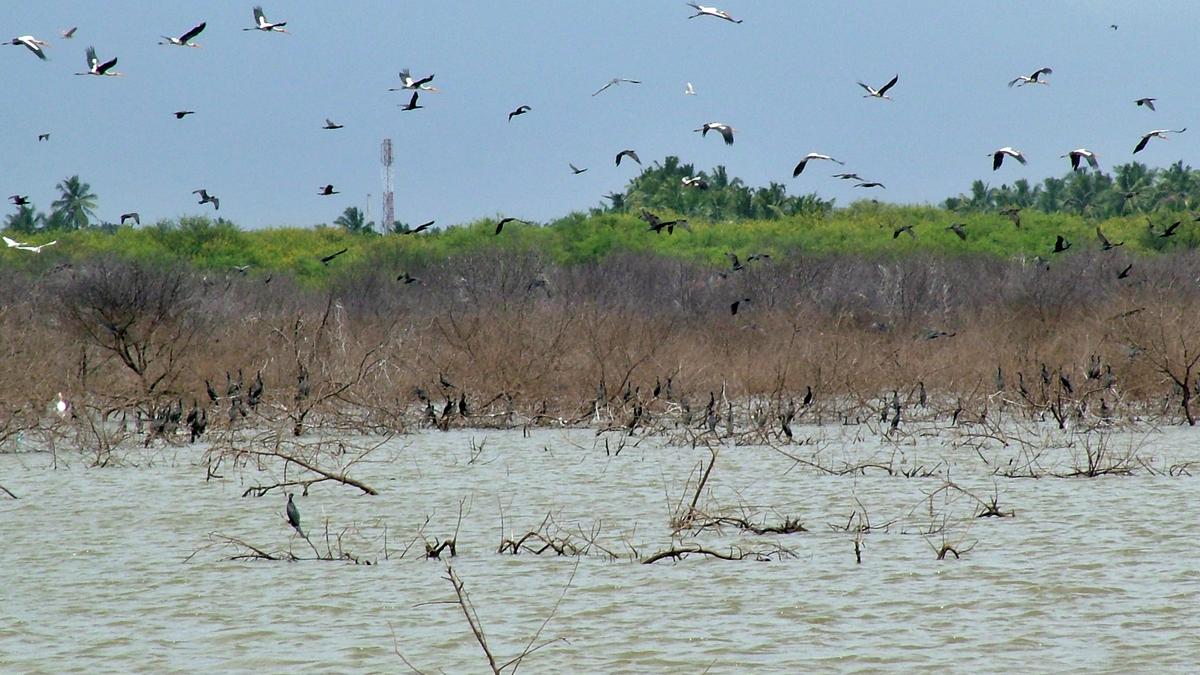
I moved to Coimbatore from Bangalore in 1997. Back then I didn’t know much about the ancient system of water tanks and lakes. However, in 2011, I started birdwatching and in 2014, a small group of us started a bird count in Perur Lake. That’s when I really started understanding the importance of these water bodies — how they support a huge ecosystem, and sustain not only endemic birds but also migratory ones.
Over the last decade, we have found a lot of changes in the waterbodies, mostly through human intervention. Due to this, the ecosystems are failing. For instance, Perur Lake had many small natural islands on which birds would alight or sometimes nest. During the dry spell in 2016-17, the sand in the lake was mined, depriving the birds of these. Other lakes have systematically been ‘beautified’ too, without giving importance to the natural flora and fauna of the place.
Another major human intervention is commercial fishing. Fish species ideal for human consumption are introduced into the lakes thereby decimating the endemic inhabitants. The fishermen also scare away their competition, which are the birds. A good example is Vellalore. Water flow into the lake was revived a few years ago (after it lay fry for nearly 15 years) and pelicans soon started nesting there. But the next year, when the birds returned, they found fishermen, who drove the pelicans away.
So, yes, there’s water in the lakes. But does that mean the lakes are doing well? They are not. The ecosystems are disappearing. We presented a scientific paper with six years of data (published in the Indian Birds journal last October), which concluded that there has been a rapid decline of waterbirds — from 41% to 100% in some cases. Not only migratory birds, but common birds too are unable to survive in these water bodies. People should revive the waterbodies and then leave them alone.
The writer is an architect and avid birder.
— As told to Surya Praphulla Kumar


Discover the Minor Planet Centre, the key hub for tracking and verifying observations of small solar system bodies.

In this week's Science for All newsletter, XX explains

Test your knowledge with the quiz on Science films at the Oscars through history

Set between the Siwalik hills and the plains, Butwal offers travellers a mix of regional cuisine, pilgrimage trails to Lumbini and the comfort of Hyatt’s new hospitality landmark

Explore 2026's wallpaper trends in India, highlighting botanicals and handmade designs that enhance modern homes with nature-inspired aesthetics.

Mercedes-Benz CLA 250+ with EQ Technology review: design, performance, range and features explained. Discover how the new electric CLA combines advanced AI, long range, fast charging and futuristic styling for the next generation of luxury EVs.

AI tool for sparrow conservation

BTS’s comeback with ‘Arirang’ marks a major global music event. When does the album release, and where can you watch their concert live stream? We have all the details

The 2026 U.S. cholesterol guidelines urge starting screening and treatment at 30 to prevent cardiovascular disease effectively.

Olam Festival 2026 in Thiruvananthapuram returns March 27-29 with 120+ vendors, music, art, and cultural zones.

A few storytellers in Thiruvananthapuram share their journeys, challenges, and evolving methods on World Storytelling Day, inspiring young minds.

76-year-old Kurian Jacob from Kerala triumphs with seven medals, including five golds, at the Open Masters Games in Abu Dhabi.

Explore the nature of the human mind as an emergent property of brain activity and complex neural interactions.