Busy streets and crowds have made his hometown feel safer, says this Kolkata author
The Hindu
Kolkata is the safest city in India, with people setting up stalls, shopping, and cooking meals late at night. Local initiatives to paint the city and create a sense of community are making it even safer.
The other day, a friend at an art exhibition in Kolkata asked me, “How far is your apartment from here?” “Not more than a 20-minute walk,” I replied. But then grumbled, “Except it’s not easy to walk it because the pavements are so crowded with stalls and hawkers.”
Last month, when I read about Kolkata being called the safest city in India for the third consecutive year based on statistics from the National Crime Records Bureau (NCRB), it made me realise that all the things that make it hard for me to make that 20-minute walk in peace probably also help make the city a little safer.
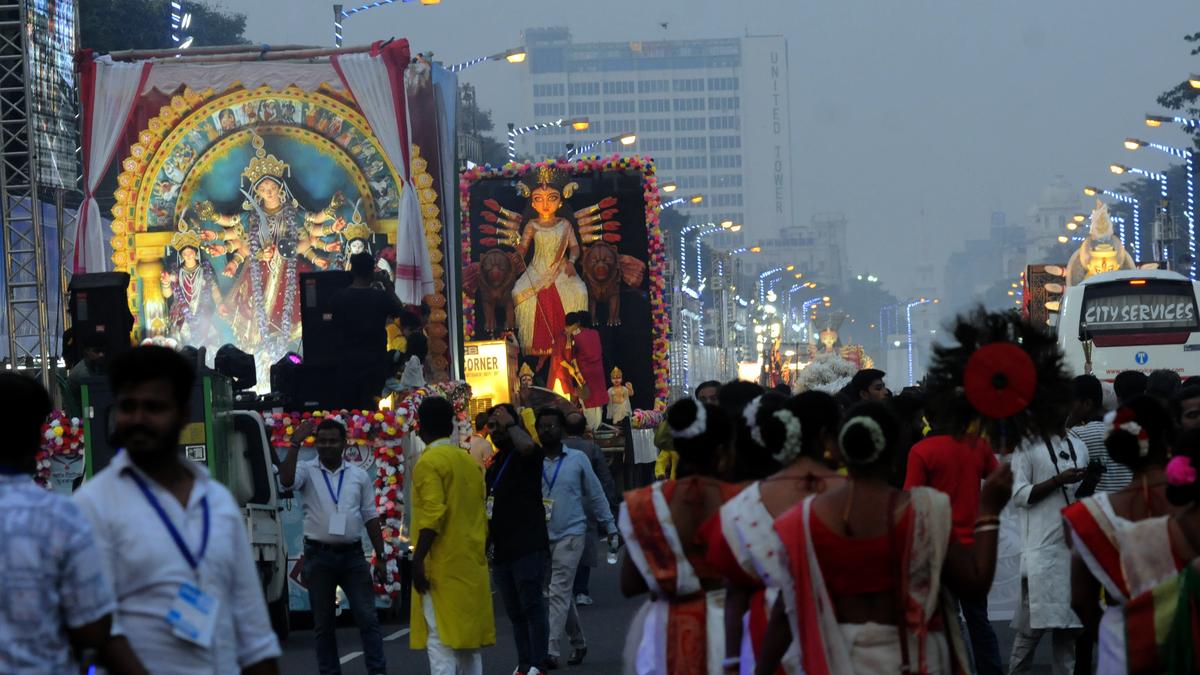
Congestion is also about life on the street. There are people setting up stalls, dismantling stalls, shopping, bargaining or just loitering. As the shops shut down, people set up makeshift kitchens and start cooking meals. Even late at night it rarely feels unsafe. Recently, I was in New Delhi. The neighbourhood was beautiful. In the morning, it felt delightful to walk through the gardens and the tombs, past people doing their stretches and pranayam and walking their dogs. But at night the streets were deserted. “Make sure the Uber drops you to the door,” warned a friend. “This is not Kolkata.”
The NRCB statistics say Kolkata reported 86.5 cases of cognisable offences per lakh population in 2022, way below Pune (280.7) and Hyderabad (299.2). In 2021, that figure was 103.4 for Kolkata. Ruling party Trinamool, unsurprisingly, took credit, tweeting that crime rates had plummeted under the “able guidance” of Mamata Banerjee and the “constant vigilance” of the Kolkata Police who had given the city “a sense of security seldom found elsewhere”.
The opposition BJP claimed the data had been manipulated. But it’s understandable that a city often accused of living off its bygone glory days would seize on this bit of data to feel good about itself. However, a cynical friend commented that this was yet more proof of the “decline” of Kolkata. It was not even a city with enough business to attract criminals. Kolkata had to be content with non-cognisable petty crimes.
It’s not all good news for Kolkata. The NRCB data also showed the number of crimes against women rose from 1,783 in 2021 to 1,890 in 2022. In that regard, Kolkata is behind Chennai and Coimbatore. And these are just cognisable offences. When a woman gets into a share three-wheeler in Kolkata and reflexively places her bag as a barrier to the man next to her in case he tries to cop a feel, that does not get recorded in these statistics. Crowded streets and jostling crowds can make you safer in some ways but also offer cover to pickpockets and perverts.
Author Nilanjana Bhowmick who grew up in Kolkata says, “In North India, the fear is very real. I remember coming back from somewhere at 1 a.m., the car stops, I’m surrounded by all these trucks and I can actually touch my fear.” Kolkata felt safer, a city she had roamed around in as a young woman, though she admits it was always in the more genteel areas of the city, areas that already had a lot of other women in it.


From traditional handicraft items from Manipur to a variety of dress materials from across state by women Self-Help group members are on display at the stalls at the National SARAS mela in Karavali Utsava ground in Mangaluru. The nine-day long mela began on Friday.

India participated as an observer at the Board of Peace meeting, reaffirming its support for a viable Palestinian state.

T.N. Deputy Chief Minister inaugurates CREDAI FAIRPRO 2026, showcasing over 500 real estate projects from 80 developers in Chennai.

Andhra Pradesh prioritizes Guntur Mirchi Yard's development with a new committee focused on quality yields and farmer support.

Navy delegates from 50 countries explore natural dyeing and local crafts at Sankalpa Art Village during the International Fleet Review.

Farmers complained about indiscriminate stone quarrying taking place in Madurai district, particularly at Kallanai in Kalligudi taluk. They urged authorities to take necessary action to stop the indiscriminate quarrying activities and protect the environment

Madras High Court dismisses Ramadoss's petitions to freeze 'mango' symbol, emphasizing resolution through civil court, not writs.

After more-than-two-year wait, the flyover at Goripalayam junction will be commissioned on Saturday. As of now, the main arm of the new flyover, named after freedom fighter Netaji Subash Chandra Bose, will help to decongest vehicular movement from Tamukkam junction till Nelpettai junction on East Veli Street.

PAC criticizes the government for poor execution and financial delays in the ₹4,455 crore SANKALP skill development scheme.

Coimbatore is emerging as a leading hub for Global Capability Centres in Tamil Nadu, driven by strong educational infrastructure and investment.

Peace talks between fishermen from Rameswaram and Karaikal aim to resolve fishing territory disputes and ensure maritime harmony.

Telangana's Food Safety Department inspects 122 establishments in a statewide drive, enforcing compliance on cereal products and safety standards.

The Greater Bengaluru Authority expands to 86 members, enhancing representation with key political figures included.