Blood pressure treatment could lower risk of dementia, clinical trial data suggests
The Hindu
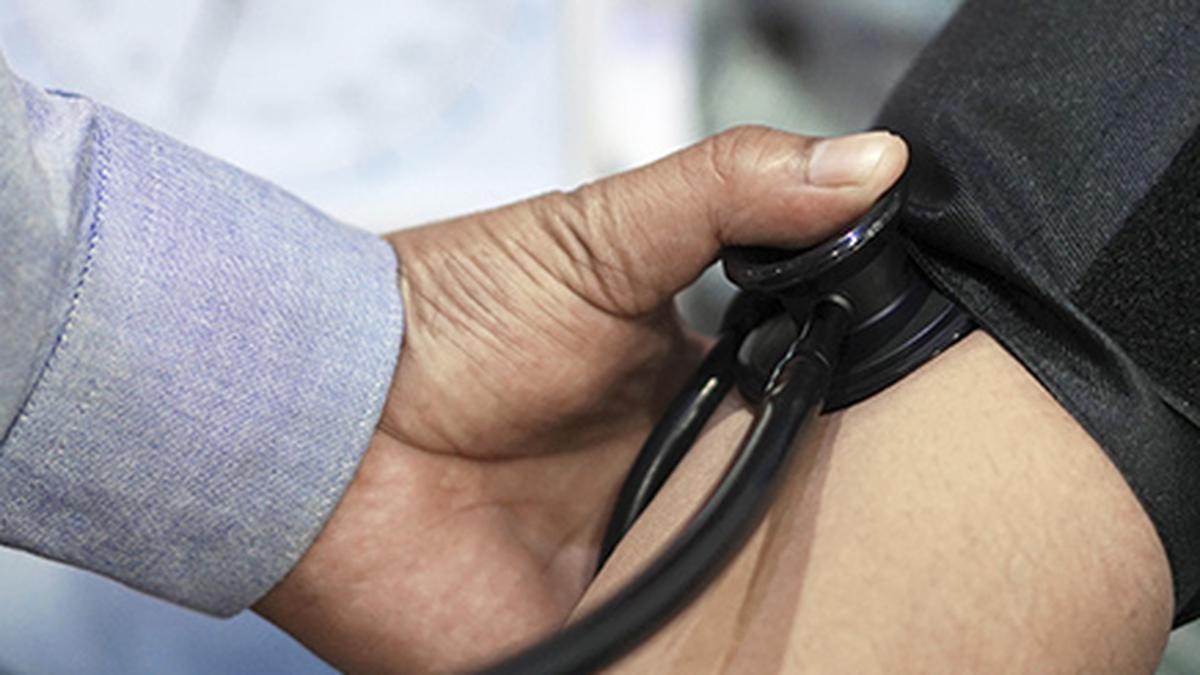
Lowering high blood pressure reduces dementia risk by 15%, as shown in a clinical trial involving 34,000 patients in China.
Addressing high blood pressure could lower one's risk of developing cognitive impairment by 16 per cent and dementia by 15 per cent over the following four years, according to clinical trial results published in the journal Nature Medicine.
Cognitive decline usually precedes dementia, an ageing-related condition that steadily impairs one's speech, memory and language.
The phase 3 clinical trial involved nearly 34,000 patients aged over 40 in rural China. People in 163 villages were provided hypertension treatment through medicines and lifestyle changes, while people in other 163 villages continued their usual care.
Researchers, including those at The University of Texas, U.S., found that over a follow-up period of four years, systolic blood pressure fell by 22 mm Hg and diastolic blood pressure by 9.3 mm Hg, among the people treated for hypertension.
Further, at the end of the four-year follow-up, "anti-hypertensive treatment was associated with a 15 per cent reduction in dementia events," the authors wrote.
Dementia cases around the world are expected to triple over the coming decades, with low- and middle-income countries projected to bear a disproportionate burden.
Blood pressure is known to be a risk factor for developing dementia. A study, published in the journal Neurology in January, showed that an aggressive control of blood pressure for over three years can provide sustained benefits in preventing cognitive decline.


Special prayers mark Eid-ul-Fitr celebrations in Madurai

India’s gem and jewellery industry continues to demonstrate remarkable resilience and a spirit of innovation, said Kirit Bhansali, chairman of the Gem and Jewellery Export Promotion Council (GJEPC), at the inauguration of the 4th edition of IIJS Bharat-Tritiya 2026 at Bengaluru International Exhibition Centre (BIEC) here on Saturday, March 21.

HYDGEN dispatches eight modular green hydrogen systems to Surat, enhancing on-site industrial hydrogen generation and operational efficiency.

Fight is between AIADMK and DMK, says Rajan Chellappa

Two habitual offenders arrested in Miyapur for wine shop burglary; police recover stolen cash and bike.

Tiruchi's Smart City projects face underutilisation despite completion, raising concerns about planning, execution, and revenue generation.

Election Observer Anubha Shrivatsava inspects polling booths in Western Ghats, ensuring smooth arrangements amid challenging conditions.

A.P. Minister announces ₹9.8 crore development of Barashaheed Dargah and ₹20 crore international school for minorities in Nellore.

Vice-President Radhakrishnan advocates for modern university syllabi to enhance employability and skill development in today's evolving job market.

A poignant protest at Palakkad Medical College highlights ongoing developmental challenges, initiated by a symbolic wreath-laying by a young girl.

A three-year-old girl was tragically killed by a truck while walking with her mother near Bengaluru.

Iran's President calls for U.S.-Israeli aggression cessation and urges BRICS to ensure regional peace and security.

Harish Rao accuses govt. of cancelling ₹1,070 cr. work sanctioned to Siddipet