Beyond pills and surgery: how radiofrequency ablation is helping chronic pain sufferers Premium
The Hindu
Discover how radiofrequency ablation offers long-term pain relief for chronic sufferers, bridging the gap between temporary solutions and sustainable management.
Today, chronic pain doesn’t just affect older adults or individuals who have been severely injured. It affects professionals, young adults, and athletes, with career hiccups, sleep disruptions, mobility problems, and mental health issues as a result. Chronic pain is one of the most common reasons for visiting a doctor, and yet, there is still insufficient information to support efforts to manage it. Patients often find themselves on a cycle of medication and physiotherapy, with little long-term benefits. Many use short-term pain relief (medication, etc.) rather than finding a long-term solution through treatment option. This is, where, perhaps, Radiofrequency Ablation (RFA) can step in.
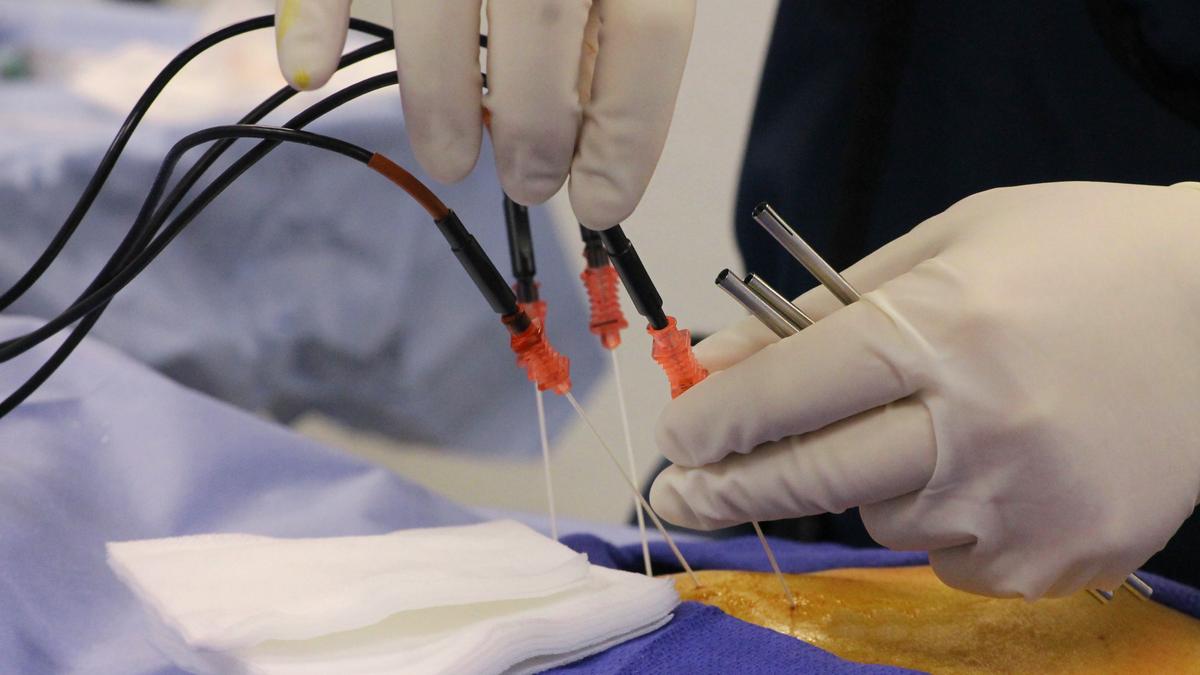
Radiofrequency Ablation (RFA) is uniquely suited to bridge the gap between short-term relief and long-term sustainable solutions in pain management today. RFA is performed using a non-invasive, non-surgical approach for the treatment of pain: it does not mask the pain as medication does, instead, it targets the pain generator. RFA uses heat generated through the use of a radio frequency generator to accurately deactivate the nerve responsible for sending a persistent pain signal to the brain. The procedure is performed under real-time imaging guidance (fluoroscopy and/or ultrasound), allowing for accurate targeting of the nerve while preserving surrounding healthy tissue.
RFA is valuable because of its ability to provide pain relief for an extended period (typically between nine months to two years). In comparison, steroid injections or medications provide pain relief for only a few weeks. Patients who receive RFA can experience real comfort, mobility, and functional improvement for longer periods of time, and can often return to performing daily activities that they may have stopped doing over time.
RFA has been found to be particularly effective for patients with chronic neck and low back pain due to facet joint degeneration, spondylosis, or sacroiliac joint dysfunction. These types of conditions are increasingly prevalent among people who lead sedentary lifestyles, spend a significant amount of time on screens, and exhibit poor posture. In recent years, RFA has also been used to treat arthritis-related pain in large joints such as the knee, hip, and shoulder, and has allowed many patients to postpone or avoid joint replacement surgery.
RFA doesn’t just address musculoskeletal issues; it also can alleviate complex neuropathic pain syndromes including trigeminal and occipital neuralgia, and various forms of pain associated with cancer. For these patients, who typically do not respond well to traditional outpatient medical management techniques or to large doses of controlled substances, the precision of RFA provides targeted pain relief with much less reliance on medication.
One key benefit of RFA, is with respect to the use of long-term pain medication, particularly opioids and the effects they can have on the body. Chronic medications can cause a number of health issues including gastric and renal complications, as well as dependency and cognitive behavioural side effects. Since RFA interrupts the pathway of nerve conduction of pain, many patients can significantly reduce the total number of medications taken on a daily basis. This, in turn, benefits their overall physical well-being and quality of life.


Delhi HC temporarily halts MCD demolitions linked to Uttam Nagar Holi clash, allowing residents to file new petitions.

Discover how radiofrequency ablation offers long-term pain relief for chronic sufferers, bridging the gap between temporary solutions and sustainable management.

Kerosene bombs were thrown at MP Karti Chidambaram's office, prompting a police investigation linked to recent controversial statements.

Official recognition of ‘Keralam’ reflects Malayali cultural identity, says Modi

Karnataka tribunal affirms BDA as 'promoter', ensuring compliance with RERA for Bengaluru site allottees in a landmark ruling.

Experience innovative Indian cuisine at Plus Nine One, where traditional flavors meet global techniques—no butter chicken in sight.

PM Modi highlights Kerala's potential in floating solar power to enhance clean energy and infrastructure development.

Madras High Court hears PIL for SOP to coordinate roadwork by Chennai civic bodies, addressing public safety and service disruptions.

Celebrate 60 years of Sarala's Art Centre with the nostalgic exhibition "Garden of Our Memories – I" in Chennai.

Hyderabad hotels face LPG cylinder shortages, forcing menu cuts and potential closures as supply uncertainty threatens operations.

Jitish Kallat appointed to chair curator selection for the next Kochi-Muziris Biennale, enhancing contemporary art dialogue.

Karnataka Minister Krishna Byre Gowda emphasises the need for regular revision of land guidance values to ensure fair compensation for farmers.

LPG cylinder shortage forces nearly 90% of Shivamogga hotels to close or limit services starting March 12.