Baramati tabletop runway a factor in Ajit Pawar's crash? Aviation experts weigh in
India Today
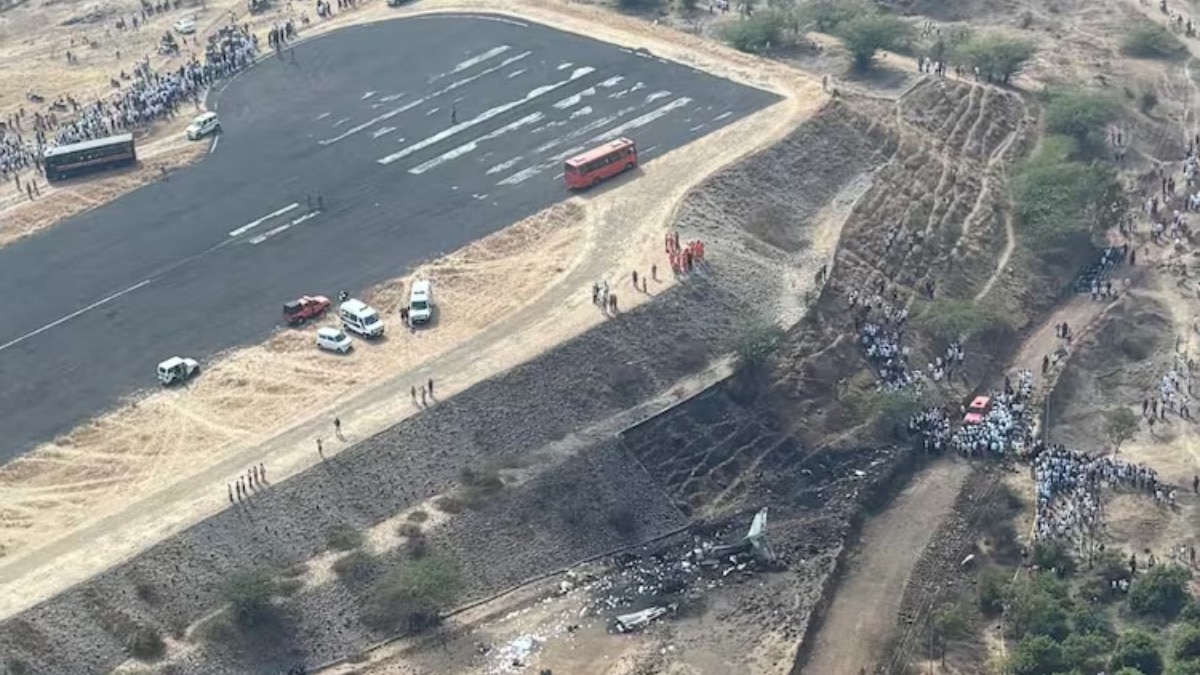
Maharashtra Deputy CM Ajit Pawar's death in a Learjet crash at Baramati airport has reignited fears over the safety of tabletop runways in India, but are those fears justified, did runway design worsen the tragedy or is the risk overstated? Aviation experts break it down.
The death of Maharashtra Deputy Chief Minister Ajit Pawar in a Learjet crash at Baramati Airport on Wednesday morning has reignited concerns over aviation hazards at India’s tabletop runways, amid reports suggesting a botched landing at the elevated facility.
The tragedy draws parallels to past disasters at India’s tabletop runways, including the 2020 Air India Express overrun at Kozhikode amid poor visibility and monsoon rains, which killed 21, and the 2010 Mangalore crash that claimed 158 lives. Both incidents were attributed largely to pilot error but exacerbated by the challenging design of the runways.
Baramati Airport, one of India’s six tabletop runways alongside Kozhikode, Mangalore, Lengpui, Shimla, and Pakyong, has once again brought attention to the inherent risks of such elevated strips.
Perched atop hilltop plateaus with steep drops at either end, tabletop runways leave pilots minimal room for error and can create optical illusions that make the runway appear deceptively closer than it actually is.
However, a senior pilot, who is familiar with the runway in Baramati, dismissed the idea that the tabletop nature was the primary factor in Baramati plane crash.
“At the end of the day, a tabletop runway is still a runway,” he said. “What matters is the threshold, the touchdown point, and the available runway length, not whether it sits on a table, by the sea, or on a plain.”


For years, Ram Setu has been invoked as "national heritage" in political discourse. But an RTI response reveals that, in official records, its status remains "nil".


Two LPG tankers tracked by India Today's OSINT team have taken the new route via Larak-Qeshm to cross the Strait of Hormuz.

What began as an abuse complaint has snowballed into a massive scandal involving rape allegations, hidden camera evidence, fraud and even murder claims, as more victims come forward against a Nashik godman.

From April 2026, the Delhi government is planning to recover over Rs 38,000 crore in dues to discoms.

The bill could increase total Lok Sabha seats to 816, reserving 273 for women, marking a major push to enhance female representation in Parliament based on the 2011 census.

Students told the Mahila Congress that the LPG shortage had disrupted their daily meals. They said the hostel administration had altered the menu, reduced one meal and discontinued evening tea in recent days.

India's consumer courts promise quick justice, but rising backlogs and staff shortages tell a different story. As cases pile up, the gap between what the system offers and what it delivers is widening.

A second patient died within 72 hours at RG Kar Hospital, with his family alleging that a lack of stretcher and basic facilities forced the critically ill man to walk 100 metres, leading to his death.

As Parliament prepares to bring amendments to the Transgender Act, activists warn the proposed changes risk rolling back years of hard-won rights.

A high-speed boat crash in the Maldives has left two Indians missing, including a celebrated rally figure, even as Gautam Singhania returns home. Search teams continue efforts amid mounting concern and unanswered questions.

A prominent seer, Pranavananda Swamiji, alleged that mutts backing Karnataka Deputy Chief Minister DK Shivakumar to take over the top post were denied any allocation in the state budget presented by Chief Minister Siddaramaiah. He reiterated his support for Shivakumar to take over as the chief minister.

India's original Dhurandhar, Ravindra Kaushik, rose from acting at college theatres, to infiltrating the Pakistan Army as a RAW Agent. He provided critical intelligence on Pakistani troop movements and the country's nuclear programme, but died a lonely death after his betrayal and subsequent capture by the ISI.