Bar design | under the hood of 5 cocktail dens in India
The Hindu
Architectural designs of exclusive resto-bars in India, from Chennai to Mumbai, offer immersive experiences and storytelling through unique spaces.
You might consider going all the way to JSan in Goa to get Chef Vishesh Jawarani’s take on Japanese Izakaya (literally stay-drink-place), or to Crackle Kitchen in Bengaluru to explore omakase. But you cannot get into Chennai’s MadCo. unless you pass the test, and likewise at Zorawar Kalra’s Mamma Killa, Delhi’s first Aztec-themed members-only bar. Chef-steered experiences and curated menus fundamental to the 2025 resto bar, as well as the small plates with drinks typical of Tokyo’s Izakaya culture, have evolved unique bar themes and hospitality design.
Aiming for visitors to slow down, mingle, and be indulged, from cosy 22-seaters to bustling 400-plus, designers fuse global and Indian trends for an audience desiring elevated experiences.
Architect Ashiesh Shah elaborates, “Bars today are experiential spaces. Five years ago, the focus may have been more on functionality and glamour; today, it’s storytelling, mood-building, and emotional connection. They’re no longer taboo but rather cultural venues. There’s a shift towards creating bespoke, curated environments where design plays a central role in how the space feels, not just looks. It’s also about inclusivity — welcoming different people into a space that respects craft, context, and community.”
Architect: Vikram Singh Minhas
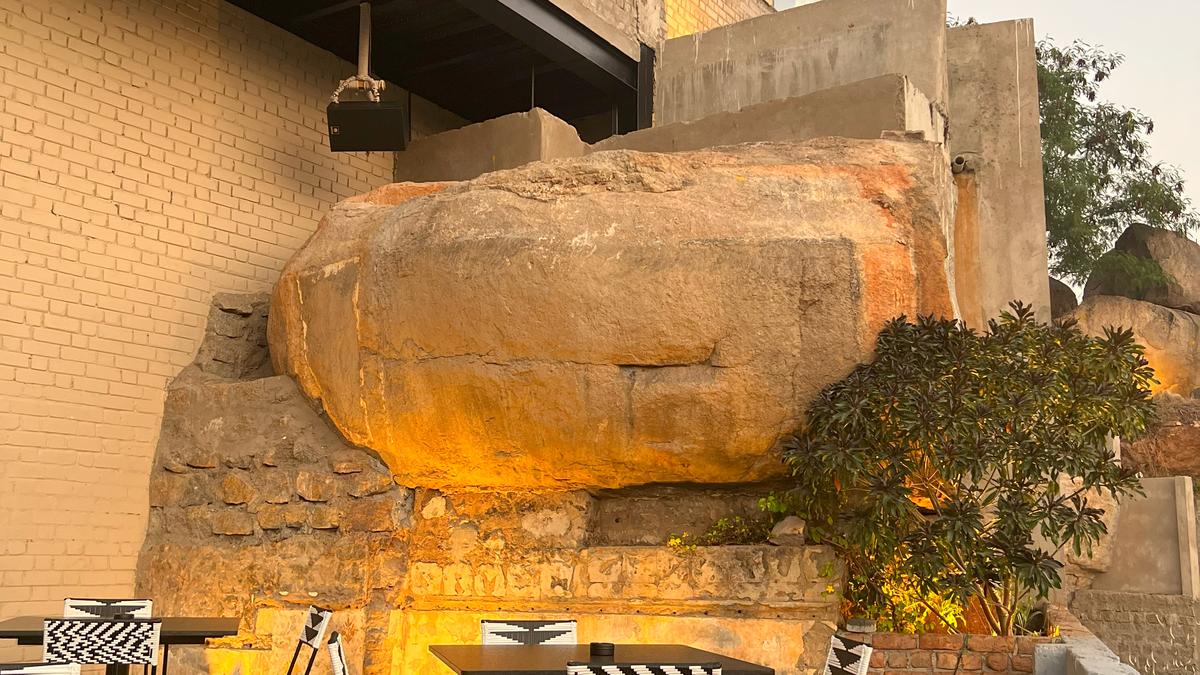
Spread across a sprawling 24,000 sq. ft. in Hyderabad’s Financial District, MOAI is a 450-seater resto-bar designed by Vikram Singh Minhas to deliver dual experiences: refined fine dining by day and a high-energy bar by night. The theme, inspired by the boulders in the natural landscape of the region in the city’s outskirts, draws from the monumental Moai statues of Easter Island, lending to the larger-than-life aura of the space. Catering to the rapidly growing hospitality scene in the neighbourhood, the design by Minhas is a 450-seater crowd pleaser. While the target audience is above the age of 21, people of all ages land up at MOAI, where carefully crafted culinary journeys and a vibrant ambience come together. Most of all, it’s the return to nature that evocatively unfolds in the organic layout. Natural elements like quarry-cut stone walls, granite flooring, and a 150-foot-long glass facade connect guests to the lush outdoors, while a tranquil koi pond and inbuilt brick seating that allows natural airflow, evoke serenity — a response to post-pandemic cravings for open, breathable environments.
Varied zones break down the vast space into intimate retreats. Discreet grey drop-down cylindrical lights focus on the food. Towering above are Moai sculpture heads, some up to 15 feet. Made of FRP by local artist Ranga, they mimic stone faithfully — right to the sumptuous textures and hues — creating visual drama.
Minhas attributes the main factors contributing to the evolving space of fine dining and drinks as the desire for immersive experiences. And both clients and the audience are willing to pay for it. Clients have also become more exploratory, which gives designers a free rein to experiment. Further, the typical visitor today is a global traveller, and they come with a wider sense of appreciation for extravagant detailing. As Minhas puts it, “Most people come in and remark — I don’t feel like I’m in Hyderabad.” This is the very spirit behind the drink and dine destination — to be transported elsewhere.


Residents of Chettichavadi express concerns over deteriorating groundwater quality due to long-standing garbage dumping issues in Salem West.

Community Health Officers in Vijayawada protest for reduced workload and continued incentives amid growing dissatisfaction over salary changes.

Telangana faces 13,929 healthcare vacancies, primarily in doctors and nurses, as recruitment efforts aim to address the shortage.

For most patients with TB who are severely underweight, nutritional support is an essential and not optional part of treatment

Family of custodial death victims demands harsh punishment for nine convicted policemen to prevent future abuses of power.

Rajinikanth refutes TVK leader's claims about DMK threats preventing his political entry, expressing gratitude to supportive political figures.

CM announces Cabinet Sub-Committee on Musi rejuvenation; rehabilitation for all displaced

Ramanathapuram identifies 145 polling stations as sensitive, ensuring security with paramilitary forces ahead of assembly elections, says DEO.

BJP Puducherry president V. P Ramalingam files nomination for Raj Bhavan, joined by Union Minister Mandaviya and Khushbu Sundar.

History-sheeter 'Thoppai' Ganesh shot dead by police in Chennai after attacking officers during attempted escape.

The government plans to amend the FCRA, introducing new regulations for NGO asset management and accountability for key functionaries.

The draft policy for “Responsible Digital Use Among Students”, released on Monday by the Department of Health and Family Welfare, has recommended that parents set structured routines with clear screen-time rules and prioritise privacy, safety, and open conversation with children on digital well-being.

Police Observer Sushant Kumar Saxena conducts surprise inspection at Shencottai police station, reviewing warrants and security arrangements ahead of elections.