Assam kept 126 seats. But delimitation still tilted the vote
India Today
Assam's first Assembly election after the 2023 delimitation will test a quiet shift: more reserved seats and new lines that often thin representation in dense districts.
Assam will hold its first Vidhan Sabha polls under the 2023 delimitation map this year. The seat count stayed at 126, but the boundaries and reservation labels changed enough to reshape who can contest, and how evenly votes are weighted across districts.
Delimitation is meant to bring constituencies closer in size, so each vote carries a similar weight. Assam’s new map shows that representation can shift even when the number of seats does not.
The implications extend far beyond Assam. With a national delimitation exercise looming, Assam offers the clearest warning yet of how the mechanics of boundary-drawing, population thresholds, reservation categories, and district mergers can reshape representation without anyone casting a vote.
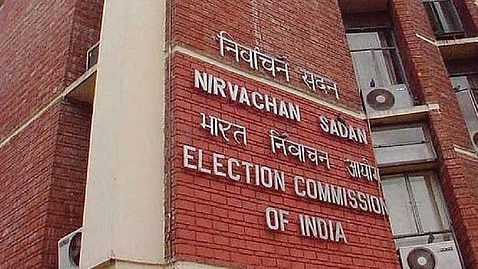
On paper, Assam did not change. The state still has 126 assembly constituencies, the same number it has had since 1976. The Election Commission’s 2023 delimitation order did not add a seat or remove a seat.
But delimitation is not just a count. It decides which voters sit together inside a constituency, and which seats are reserved. In Assam, those technical decisions shifted the political balance of power.
One clear shift came through the reservation. Three constituencies with long records of electing Muslim legislators were reclassified. Goalpara West became reserved for the Scheduled Tribes. Barpeta and Naoboicha became reserved for the Scheduled Castes.


As Parliament prepares to bring amendments to the Transgender Act, activists warn the proposed changes risk rolling back years of hard-won rights.

A high-speed boat crash in the Maldives has left two Indians missing, including a celebrated rally figure, even as Gautam Singhania returns home. Search teams continue efforts amid mounting concern and unanswered questions.

A prominent seer, Pranavananda Swamiji, alleged that mutts backing Karnataka Deputy Chief Minister DK Shivakumar to take over the top post were denied any allocation in the state budget presented by Chief Minister Siddaramaiah. He reiterated his support for Shivakumar to take over as the chief minister.

India's original Dhurandhar, Ravindra Kaushik, rose from acting at college theatres, to infiltrating the Pakistan Army as a RAW Agent. He provided critical intelligence on Pakistani troop movements and the country's nuclear programme, but died a lonely death after his betrayal and subsequent capture by the ISI.


According to the police, 19-year-old Sachin Dharmendrabhai Chaudhary, who works as a labourer, had borrowed the money before expressing his inability to repay it immediately, police said. He was allegedly threatened with his life over the delay in repayment. Fearing for his life, Sachin immediately alerted the police.

A quiet arrest in Rajasthan has unravelled a wider espionage network, linking an Air Force employee to Pakistani handlers. Investigators say the trail began months ago and may reach deeper than first believed.

A 36-year-old woman plotted to murder her mother-in-law with the help of her 21-year-old lover. The murder plot was exposed by CCTV installed inside the house.


A former village pradhan who had been missing since March 18 was found dead in a sack near a canal in Pratapgarh. Police have arrested his lover, claiming she carried out the murder with accomplices.

From a Kashmiri widow parting with her late husband's cherished jewellery to children emptying their piggy banks, a wave of generosity is emerging across India as citizens step up to support people affected by the escalating conflict in Iran.

Uttar Pradesh CM Yogi Adityanath conducted an on-site review of preparations at Noida International Airport ahead of its March 28 inauguration by PM Narendra Modi, directing officials to ensure seamless arrangements, robust security and world-class execution.