Apple CEO spoke with U.S. Commerce Secretary about tariff impact on iPhone prices: Report
The Hindu
Apple CEO Tim Cook spoke with U.S. Commerce Secretary Howard Lutnick last week about the potential impact of President Donald Trump’s tariffs.
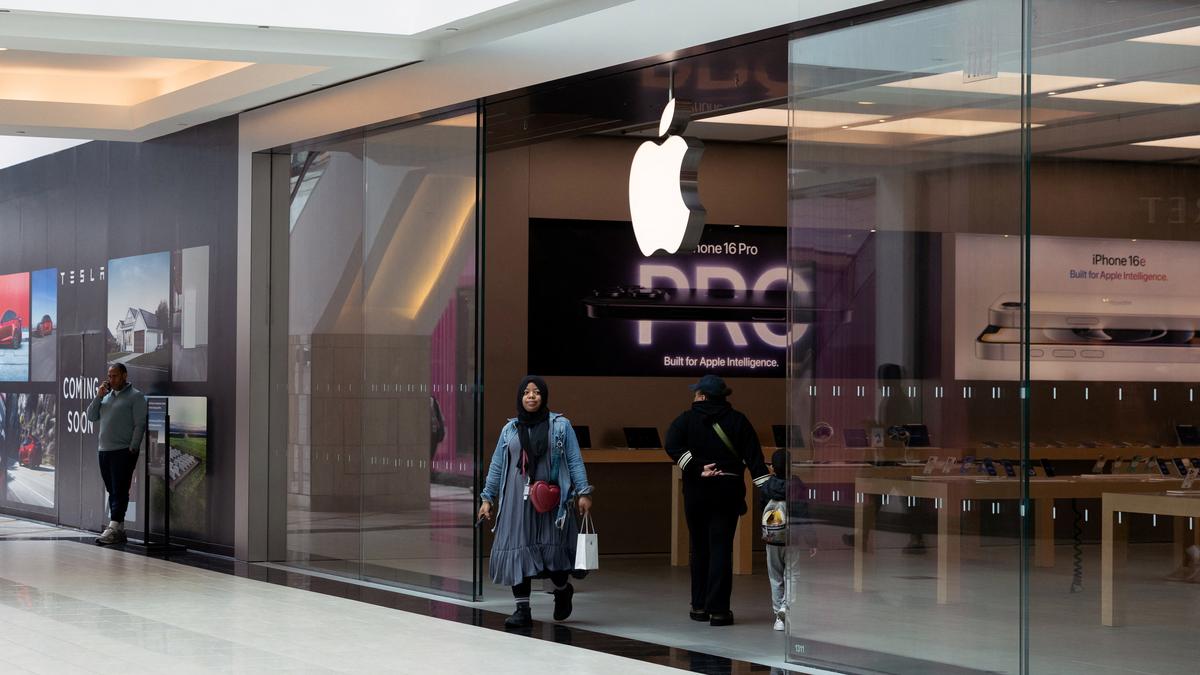
Apple CEO Tim Cook spoke with U.S. Commerce Secretary Howard Lutnick last week about the potential impact of President Donald Trump's tariffs on iPhone prices, the Washington Post reported on Thursday, citing two people familiar with the phone call.
Trump last week granted tariff exclusions to smartphones, computers and some other electronics imported largely from China, offering some relief for tech firms such as Apple, HP and Dell.
White House trade adviser Peter Navarro had wanted the taxes to remain in place, according to the Post.
Apple declined to comment when contacted by Reuters, while Dell and HP did not immediately respond.
White House spokesman Kush Desai told the Post that Apple or any other company had not been granted "any exemptions", adding that the administration's agenda will build on existing commitments by firms such as Apple, Nvidia and the Taiwan Semiconductor Manufacturing Co to manufacture more in the U.S.
Consumer goods such as iPhones could be among the hardest hit by Trump's sweeping tariffs, analysts said earlier this month.
Last week, the Trump administration announced, then paused, sweeping tariffs on dozens of countries, throwing the global economy into a state of uncertainty.


Nvidia chief Jensen Huang on Monday said the leading artificial intelligence chip maker is heading for space with a goal of powering orbiting data centres.

Meta Platforms shares rose nearly 3% on Monday after a Reuters report that the social media giant plans to lay off 20% or more of its workforce to offset heavy spending

Wholesale price inflation hits 11-month high at 2.13%, driven by rising crude prices and increased costs across various sectors.

Kerala's wellness sector faces uncertainty due to the West Asian crisis, impacting tourism and threatening economic stability.

Experts link Punjab's distress migration to economic stagnation and job mismatches, highlighting systemic failures in political leadership.

India's merchandise exports remain flat in February, with Commerce Secretary warning of a potential dip in March due to trade constraints.

Hard Rock International closes 10 outlets in India, including three cafes in Bengaluru, while Goa hotel remains open.

The booming market for artificial intelligence servers brought Taiwan's Foxconn a 24 percent jump in annual net profit, the company said

In a statement on its website, Adobe said it has in recent years streamlined its sign-up and cancellation processes and made them more transparent.

Stock markets recover as Sensex and Nifty bounce back following a three-day slump, driven by value-buying in blue-chip stocks.

U.S. President Donald Trump’s administration is set to receive a roughly $10 billion fee from investors in the recently completed deal to take control of TikTok’s U.S. business, the Wall Street Journal reported

Meta is planning sweeping layoffs that could affect 20% or more of the company, three sources familiar with the matter told Reuters

Learn how to choose the best personal loan lender by evaluating eligibility, interest rates, and borrowing experience.