Activists urge Karnataka government to ensure proper implementation of CITIIS 2.0 project in Belagavi
The Hindu
Activists urge Karnataka to ensure CITIIS 2.0 project implementation in Belagavi, citing significant funding reductions and potential delays.
Activists and members of civic society groups have urged the government of Karnataka to ensure properly implementation of the City Investments to Innovate, Integrate and Sustain (CITIIS 2.0) project, a sub-component of the Smart Cities initiative.
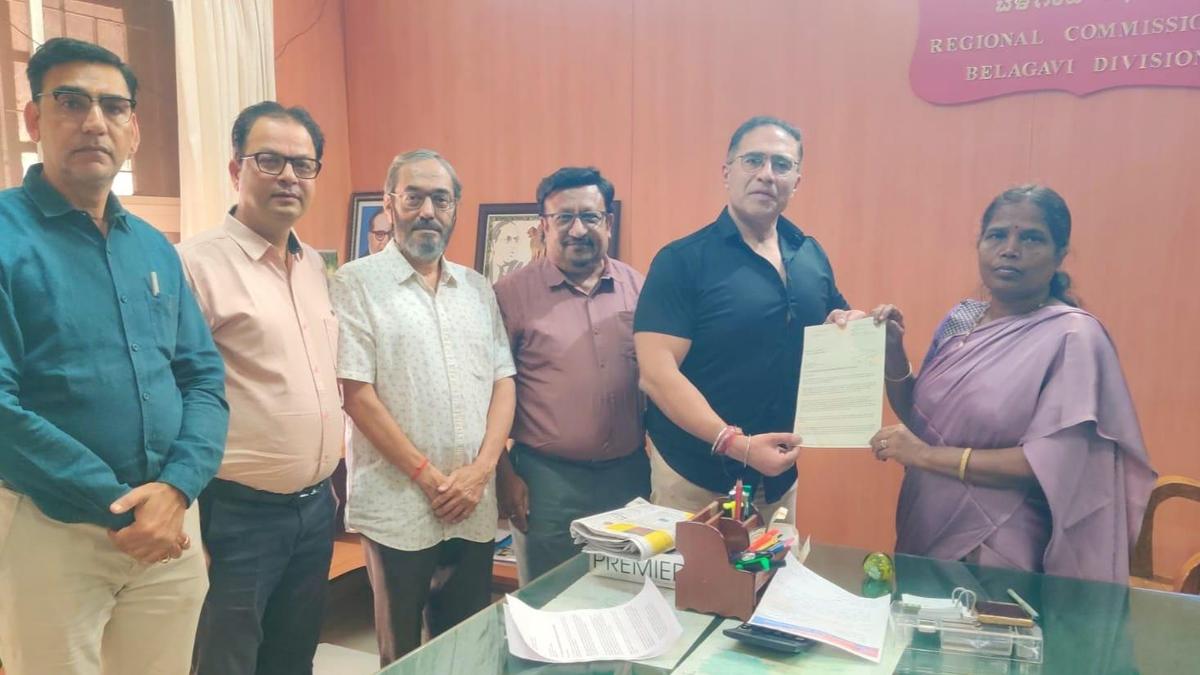
In a memorandum submitted to Deputy Commissioner Mohammad Roshan, activists have alleged that the project size had been scaled down by nearly 45% due to the negligence of the Belagavi city corporation and lack of support from the State Government
“The initial estimated plan size was ₹135 crore, with the Centre and the State contributing 40% each, and the urban local body adding the remaining 20% of funds. But the government of Karnataka was reluctant to contribute 40%, citing paucity of funds. This reduced the plan size to ₹75 crore. This would also mean that the total burden on the BCC would grow to 60%. BCC should have taken up the matter with the State Government, demanding its rightful share, as Belagavi is the only city in Karnataka selected for the project. The project is being undertaken in only 18 cities in the country. But, the BCC did not do so,” activists Sujit Mulgund, Rajkumar Topannavar and advocate Nitin Bolbandi stated in the memorandum.
CITIIS is a scheme introduced by the Union Government, with funds received as loan from various European agencies. Belagavi was selected under the CITIIS 2.0 programme aimed at strengthening urban infrastructure, climate resilience, and sustainable waste management systems.
As per the initial proposal, projects worth ₹135 crore were planned for the city. But the reduced outlay would lead to curtailment of key infrastructure components, reduced effectiveness of waste management systems, limited coverage of climate resilience initiatives, and loss of economic opportunities, including local employment and MSME participation, according to the memorandum.
The activists urged the DC to seek higher allocation from the State Government, and to seek an explanation from the local officials concerned for scaling down the project.


Former Chief Minister Narayanasamy opts out of Puducherry Assembly elections to maintain alliance harmony amidst seat-sharing talks with DMK.

Dr Prarthana Venkatesh, the founder of nutraceutical brand Longevita, talks about the inspiration behind the brand, why the longevity discourse is now exploding and how modern medicine is tackling aging

Ponmudy seeks Madras High Court's intervention to dismiss BJP councillor's complaint over alleged derogatory speech against religious groups.

Congress leader K.C. Venugopal alleges corruption in Kerala's bar license renewals, accusing CPI(M) and BJP of unethical collusion ahead of 2026 polls.

Bengaluru police arrest three in a money-doubling fraud, recovering ₹40 lakh and uncovering additional victims.

AIADMK faces perception challenges and electoral setbacks in Tamil Nadu, struggling to maintain its traditional stronghold and voter base.

K. Ashok appointed Executive Director of BHEL Tiruchi, succeeding S. Prabhakar after 36 years of experience in the company.

Garbage collection resumes in Bengaluru amid contractor disputes over payment delays and new waste segregation rules by BSWML.

Delhi High Court rules universities cannot restrict peaceful expression of dissent, emphasizing the importance of independent thought and discourse.

Mettur Dam's water level is at 82.83 feet, with an inflow of 384 cusecs and discharge of 800 cusecs.

Lebanon expels Iran's ambassador, declaring him persona non grata, while maintaining a Charge d'Affaires at the embassy.

Sunny Joseph accuses Pinarayi Vijayan of targeting Rahul Gandhi as part of a political deal with the BJP.

AIADMK faces perception challenges and electoral setbacks in Tamil Nadu, struggling to maintain its traditional stronghold and voter base.