A Matter of Taste | Understanding Beer: Man’s first beverage
The Hindu
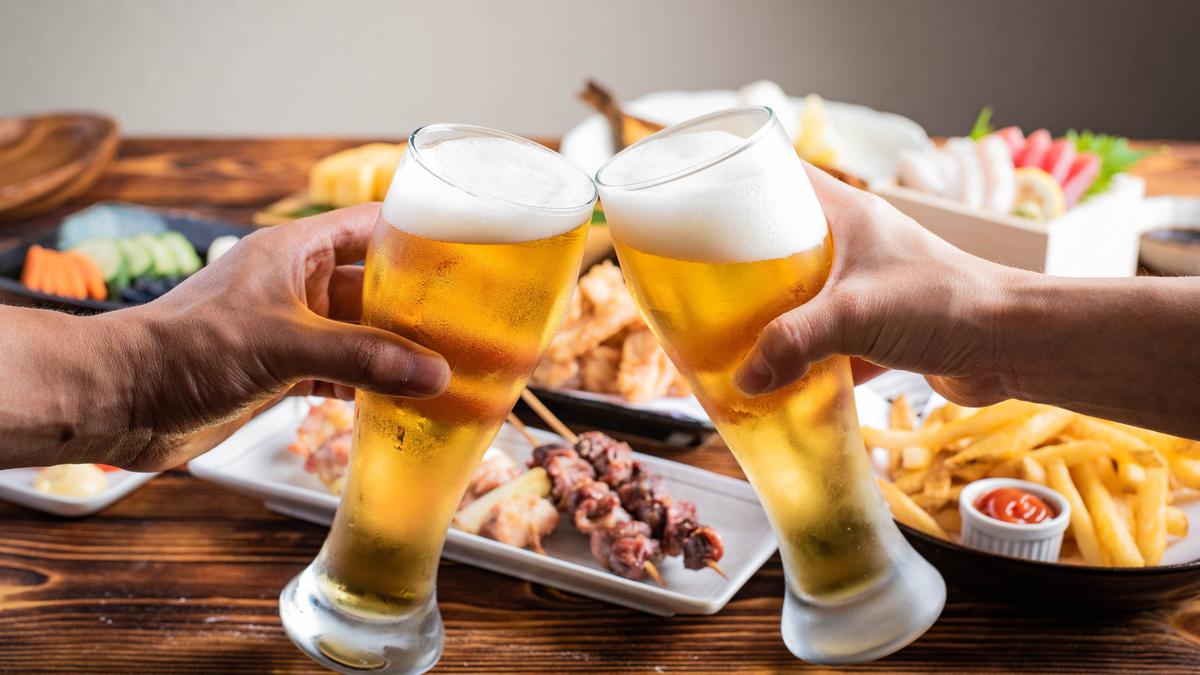
Beer has a long history, with many styles and variations. It is the third most consumed beverage in the world, behind tea and water. Beer is made from malt, water, hops and yeast, and can be served as a draught or in cans/bottles. It is often seen as a party-starter, but should be consumed in moderation. Beer has complex styles and definitions, and can be sessionable or not. It is a beverage with a ten-thousand-year history, and is still enjoyed today.
“Man cannot live by bread alone.” Well, bread and beer use (almost) the same ingredients thereby allowing one to put a (heady) twist on this adage. Cheeky as that may sound, even some historians contend that beer possibly came before leavened bread. Today, it remains the most consumed alcoholic beverage in the world, ranked third overall, behind tea, and water, two drinks which, let’s be honest, are never the ones to be included in any party-starter kit.
For a beverage with a ten-thousand-year history, not much has changed in its recipe – malt, water, hops and yeast. Sure, we have more technology and can tinker with a few extra ingredients, or play around with the type and usage of hops, but in principle, beer remains beer. Now most of us won’t over-think things while knocking back a pint with a friend at a pub, but beer has history and style definitions that are complex enough to make a sommelier rethink their stance. This last bit I share from personal experience as someone who recently had to relearn tasting and identifying faults in beer (as opposed to wine) and believe me that before the day of our practical test, I felt like a kid a day before their twelfth standard final board exams.
The world today may drink more lagers then ales but historically, ales have been the traditional beverage of choice. In the last few decades, beer has gone completely hipster and we have regional styles like West Coast IPA becoming globally-accepted styles of beer to make and to serve at micro-breweries.
“Micro-brews”, now that word is as crafty as, well, ‘craft’. Whether you make a few hundred litres a day or the equivalent of 15,000 barrels a year (which, by the way, is a lot of beer), or run an industrial unit the size of a small city, you can all call yourself ‘craft’ somehow.
I much prefer the word ‘draught’ instead, ‘draft’ for my American readers. Fresher, better chilled, and with significantly fewer preserves in the beer – what’s not to like.
Should all beer be bitter, well, it is quite an essential element of a beer. Some are more bitter than others but in the end, a well-made beer should be about balance and freshness and, a word which beer-nerds use a lot, ‘session-ability’. It implies how many pints can be drunk in one sitting (or session). Some will call a beer sessionable (or crushable, or poundable) if it presents an easy-to-appreciate range of flavours and textures which aren’t too daunting or overwhelming. Either ways, sessionable or not, draught or from a can or bottle, moderation is key because even at nearly 95% water by volume, it can still leave you dehydrated the morning after.


Discover the Minor Planet Centre, the key hub for tracking and verifying observations of small solar system bodies.

Discover the Minor Planet Centre, the key hub for tracking and verifying observations of small solar system bodies.

In this week's Science for All newsletter, XX explains

Test your knowledge with the quiz on Science films at the Oscars through history

Set between the Siwalik hills and the plains, Butwal offers travellers a mix of regional cuisine, pilgrimage trails to Lumbini and the comfort of Hyatt’s new hospitality landmark

Explore 2026's wallpaper trends in India, highlighting botanicals and handmade designs that enhance modern homes with nature-inspired aesthetics.

Mercedes-Benz CLA 250+ with EQ Technology review: design, performance, range and features explained. Discover how the new electric CLA combines advanced AI, long range, fast charging and futuristic styling for the next generation of luxury EVs.

AI tool for sparrow conservation

BTS’s comeback with ‘Arirang’ marks a major global music event. When does the album release, and where can you watch their concert live stream? We have all the details

The 2026 U.S. cholesterol guidelines urge starting screening and treatment at 30 to prevent cardiovascular disease effectively.

Olam Festival 2026 in Thiruvananthapuram returns March 27-29 with 120+ vendors, music, art, and cultural zones.

A few storytellers in Thiruvananthapuram share their journeys, challenges, and evolving methods on World Storytelling Day, inspiring young minds.

76-year-old Kurian Jacob from Kerala triumphs with seven medals, including five golds, at the Open Masters Games in Abu Dhabi.