6 Ways You Can Control Microplastics From Getting Into Your Food
HuffPost
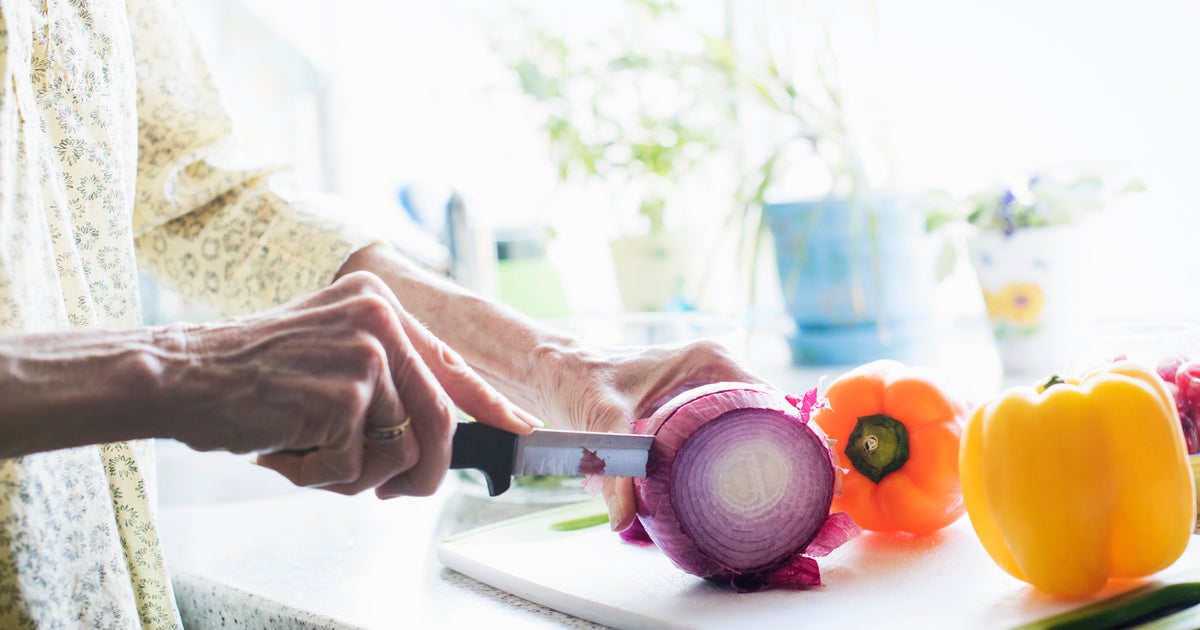
Whether you’re chopping veggies on a plastic cutting board or reheating last night’s dinner in a plastic container, you may be increasing your exposure to microplastics.
As you cook, store food and even brew your morning coffee or tea, you may be inadvertently adding microplastics to your food and drinks. These tiny plastic particles are increasingly showing up not only in our food but also in our bodies (Heads up: they’ve been found throughout the body, from the brain to the blood, liver and placenta).
A big way microplastics get into our food is through contaminated soil, water and air. But it can also happen right in the kitchen, through simple daily habits that you likely have a lot of control over. Whether you’re chopping veggies on a plastic cutting board or reheating last night’s dinner in a plastic container, you may be increasing your exposure to microplastics.
As of now, a lot more research is needed to get a better understanding of how microplastics and nanoplastics might directly affect or harm human health. But some early research results allow us to see that the potential health consequences may not be great. For example, research findings from one observational study show that microplastics found in arteries may potentially increase the risk of having a stroke and heart disease.
If you’re concerned about your microplastic exposure — and how your kitchen habits may be playing a role — we have some good news. In most cases, you can lean into some simple, plastic-free swaps.
Here are six ways microplastics might be making their way into your food and drinks due to your kitchen habits, and what you can use instead.


“I wish someone had told me that good sex wasn’t all about me and my penis.”

Three experts on bone health explain why your bone density is important, and the types of exercise that can help.

They eat it themselves, and they encourage patients to have more of it, too.

The ’90s hair accessory is having a resurgence thanks to “Love Story: John F. Kennedy Jr. & Carolyn Bessette.” But doctors have a warning.

It’s easy to think you know everything about the person you’re with.

Here’s what eco-dietitians want everyone to take away from the Vital Farms egg controversy, and what labels to look for at the store.

There are scores of toothpastes available on the shelves, but dentists say there are right and wrong options.

Yes, there's a high likelihood that your parents and grandparents are still having sex.

Doctors share their thoughts on what’s normal when it comes to gas and what needs to be checked out.

The United States is getting slammed by a stretch of weather extremes.

There’s a useful chart that can help you determine if your stool falls into a healthy or not-so-healthy category.

If you and your friends still keep tabs on that girl from high school, this is for you.

These lazy (but legit) meals are homemade as hell, and much more satisfying than takeout.