Why does our temperature go up when we are ill? Premium
The Hindu
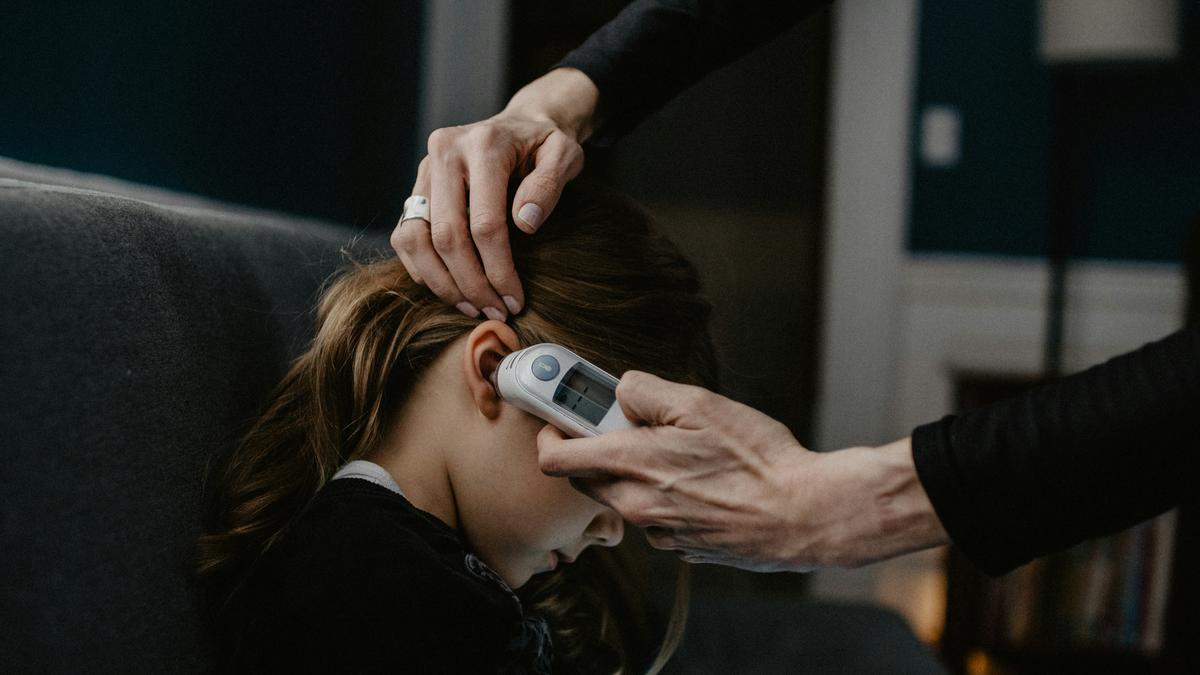
Fever is the body's response to infection, triggered by cytokines that increase body temperature to fight pathogens.
A: The increase in core temperature observed during illness is commonly called fever and occurs in response to infection by a pathogen or certain types of physical injury. When a person becomes infected with bacteria, the white blood cells of the immune system recognise the incoming pathogen as foreign and initiate the first stages of the immune response: the acute phase.
In this reaction, white blood cells called monocytes release a variety of proteins called cytokines. They are central to the immune response. In particular, there is a predominance of two types of cytokine called interleukin-1 and tumour necrosis factor-alpha. These cytokines cause an increase in body temperature.
It is not clear how but it is known that they also cause the production of other chemicals in the brain. The main group of chemicals here are the postaglandins. They react very strongly with the hypothalamus area of the brain, which then sends a signal to the body to increase the temperature.
The mechanisms that the brain employs to effect this are not certain but are known to include increasing the metabolic rate and shivering. These two processes burn metabolic fuel faster than normal, and body heat is given off.
Experimental work shows that elevated temperatures can enhance certain aspects of the immune response. The growth rates of various types of bacteria are slowed at temperatures above normal body temperature.
- Nigel Eastmond, University of Liverpool


Explore 2026's wallpaper trends in India, highlighting botanicals and handmade designs that enhance modern homes with nature-inspired aesthetics.

Mercedes-Benz CLA 250+ with EQ Technology review: design, performance, range and features explained. Discover how the new electric CLA combines advanced AI, long range, fast charging and futuristic styling for the next generation of luxury EVs.

AI tool for sparrow conservation

BTS’s comeback with ‘Arirang’ marks a major global music event. When does the album release, and where can you watch their concert live stream? We have all the details

The 2026 U.S. cholesterol guidelines urge starting screening and treatment at 30 to prevent cardiovascular disease effectively.

Olam Festival 2026 in Thiruvananthapuram returns March 27-29 with 120+ vendors, music, art, and cultural zones.

A few storytellers in Thiruvananthapuram share their journeys, challenges, and evolving methods on World Storytelling Day, inspiring young minds.

76-year-old Kurian Jacob from Kerala triumphs with seven medals, including five golds, at the Open Masters Games in Abu Dhabi.

Explore the nature of the human mind as an emergent property of brain activity and complex neural interactions.

CERN's Large Hadron Collider discovers the Xi-cc-plus particle, enhancing understanding of quantum mechanics and baryon behavior.

Vibha Batra’s latest book, Spotless (Hachette India) is a novel in verse for young adults

In its first edition, the Madras Art Salon spotlights the works of journalist and artist Narayan Lakshman at The Botanical Club, a social space in the British Deputy High Commission, Chennai

Cholesterol enhances melanoma cell invasion by making nuclei squishier, revealing a potential treatment target in cancer progression.