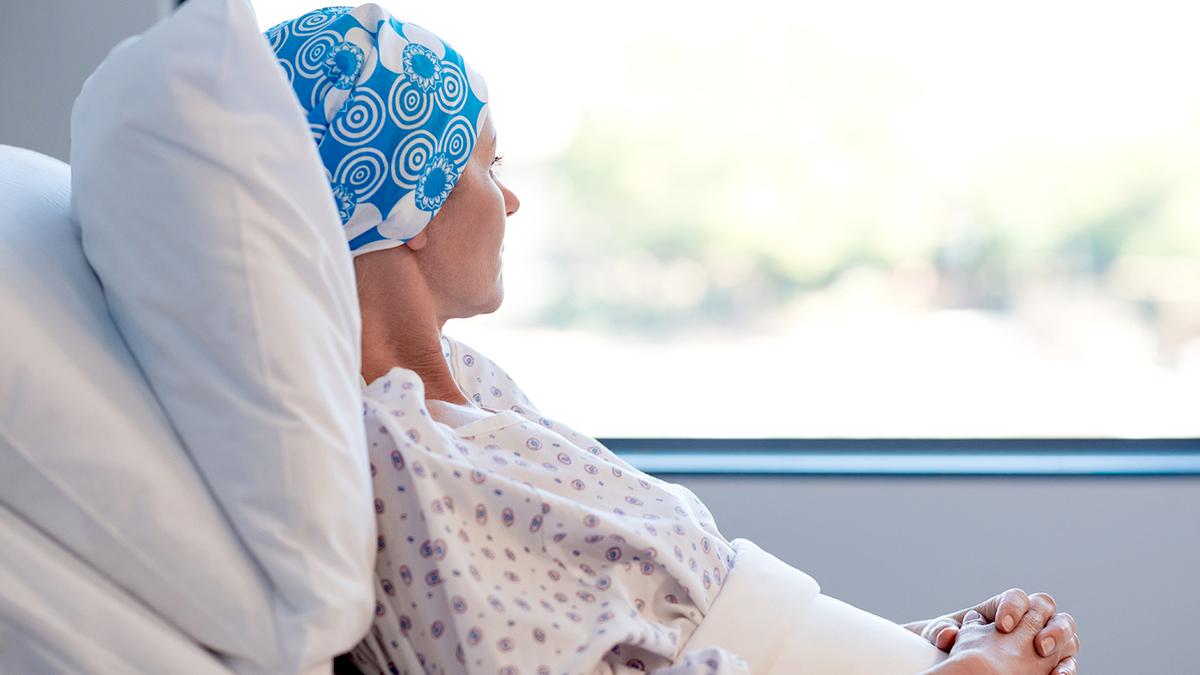
When doctors don’t believe their patients’ pain – experts explain the all-too-common experience of medical gaslighting
The Hindu
Understanding the impact of medical gaslighting on women with chronic gynecological pain conditions and how to navigate dismissive care.
For people with chronic gynaecological pain conditions, pain can be constant, making everyday activities like sitting, riding a bicycle and even wearing underwear extremely uncomfortable. For many of these people – most of whom identify as women – sexual intercourse and routine pelvic exams are unbearable.
Endometriosis and vulvodynia, or chronic genital pain, are common gynaecological conditions that can cause severe pain. They each affect about 1 in 10 American women. Yet many women face skepticism and gaslighting in health care settings when they seek care for this type of pain.
We know this well through our research on social cognition and on how people with misunderstood health conditions manage difficult conversations with their doctors and family, as well as through volunteer work alongside people living with these conditions.
We’ve consistently found that medical gaslighting around chronic gynaecological pain is a complex societal problem, fueled by holes in medical research and training.
A 2024 study of patients who went to a clinic for vulvovaginal pain – pain experienced in the external female genitals and vagina – found that 45% of these patients had been told that they “just needed to relax more” and 39% were made to feel that they were “crazy”. A staggering 55% had considered giving up on seeking care.
These results echo what one of us – Elizabeth Hintz – found in her 2023 meta-synthesis: Female patients with chronic pain conditions frequently hear this “It’s all in your head” response from doctors.
Another study followed patients in two different major U.S. cities who were seeking care for vulvovaginal pain. The researchers found that most patients saw multiple clinicians but never received a diagnosis. Given the challenges of seeking medical care, many patients turn to social media sources like Reddit for support and information.


Supreme Court affirms the public's right to critique its judgments while addressing concerns over an NCERT textbook's content.

Amit Shah reviews Manipur's security, urging the CM to tackle drug cartels and aid displaced communities after ethnic violence.

Kerala's fisherfolk urge political parties to address livelihood concerns, demanding fair pricing, rule enforcement, and better support during elections.

Moderate rainfall in Visakhapatnam brings relief but causes traffic disruptions and power outages across the city.

Shubman Gill’s Gujarat Titans banks on its tried-and-tested formula

Agriculture Ministry reviews unseasonal rains' impact, assesses farm losses, and discusses relief measures for affected farmers.

Premium petrol prices rise by ₹2 per litre, but government claims no impact on the common man amidst global oil tensions.

Kum. Veerabhadrappa’s acclaimed novel Aramane has been adapted into a television serial. Kannada channel DD Chandana (Doordarshan) has launched the serial with the same name. National Award-winning filmmaker Mansore is the director behind the project,

Diya Chitale and Manav Thakkar reach semifinals, while Yashaswini Ghorpade upsets top seed Sreeja Akula at National TT Championships.

DYFI criticizes A.P.'s job calendar for failing unemployed youth, demanding a revision to include 1 lakh posts and higher age limits.

‘Lethargic’ officials who left Chambal sanctuary to the mercy of sand miners will be held liable: SC
Supreme Court holds negligent officials accountable for enabling illegal sand mining in Chambal Sanctuary, emphasizing habitat protection laws.

Work on the Srisailam Left Bank Canal tunnel resumes after 13 months, with completion targeted by 2027-end, says Minister Reddy.

Ancient ‘Vanni’ tree at Sri Meenakshi Sundareswarar Temple tilts; steps on to restore it