What To Buy For Migraine Relief, According To Neurologists
HuffPost
Get migraine attacks? Here's what experts suggest you keep around the house.
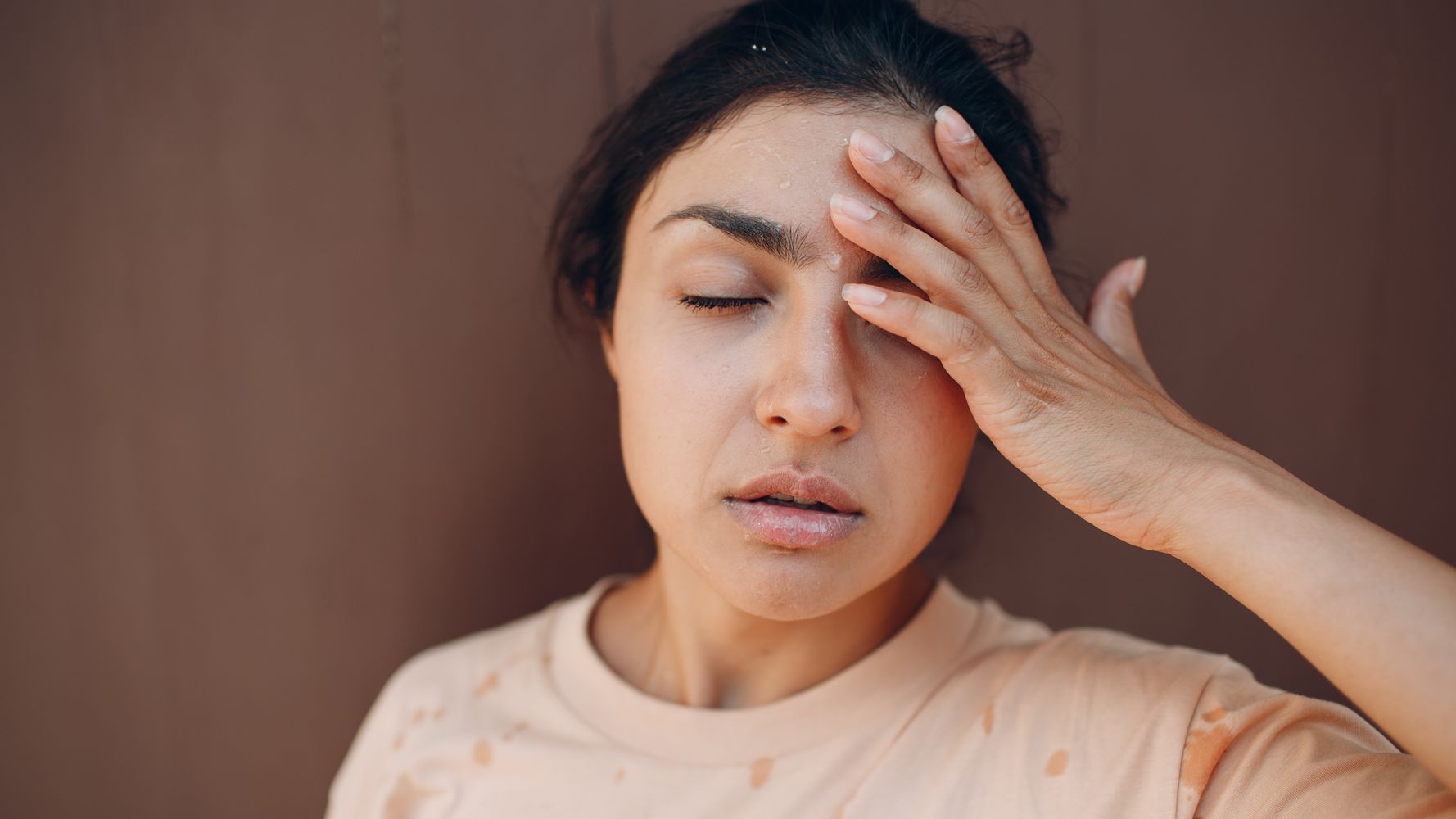
As a kid, I’d watch my mom get migraine attacks a few times a month. She’d come home from work, muttering, “It’s starting behind my eyes,” take two Excedrin, then retreat to her room for darkness and quiet. It was a routine I knew well, which made it all the more upsetting when I started getting migraine attacks myself. Through the years, my mom and I have developed a laugh-so-you-don’t-cry bond over our raging headaches and stanning of Excedrin Migraine. Though we no longer live in the same house, we’ll send each other texts when the behind-the-eye pain starts, offering loving suggestions like, “You should probably get off your phone.” While we’ve each found some ad-hoc methods that work for us, I’ve started to wonder what actual medical professionals recommend for migraine relief. For myself and my mama, I set out to make a sort of “Migraine Survival Kit” to reach for when the pain starts. What Is Migraine? About a minute into my first interview, I realized I’ve been completely wrong about migraine — and subsequently, migraine relief. Like a lot of people, I thought “migraine” was an acute issue that happened to certain people periodically. I would find myself saying stuff like, “Could you stop practicing your tuba, I have a migraine.” However, Narayan Kissoon, a neurologist at the Mayo Clinic in Rochester, Minnesota, explained that rather than a singular “bad” headache, migraine is a “genetic brain disease” or sensory processing disorder that’s happening all the time. It’s a constant, heightened response to normal sensory input that can periodically erupt into painful headaches, which neurologists call “migraine attacks.” “A person doesn’t have ‘a migraine’ and it goes away,” Kissoon told HuffPost. “They always have migraine, but can have attacks of migraine headache. The genetic factors that predispose to getting the migraine headache are always present.” The American Migraine Foundation states that “migraine” (no “a”) is a general term for the disease, whereas “a migraine attack” (with an “a”) is the term for the bad headache you’re having. This may seem like a tedious grammar lesson, but knowing the correct terms helps with education, lessens stigma and encourages people to take migraine more seriously. For Teshamae Monteith, a neurologist and headache specialist based in Miami, understanding that migraine is a constant, ever-present sensory disorder is the first step in getting the right treatment. There are treatments to relieve the pain of acute attacks, but Monteith said managing migraine is also about understanding the disease and preemptive care. “The first thing is making sure that you truly have a diagnosis of migraine,” she said. “It’s hard to treat if you don’t have the right diagnosis.” Only 50% of people who have migraine have been officially diagnosed, Monteith said. Additionally, there are cases of secondary headaches that mimic migraine symptoms. So to get clear on your diagnosis — and further, your treatment plan — talk to your primary care doctor or a specialist about your exact needs.
What Is A Migraine Attack? Monteith said acute migraine attacks generally last for four to 72 hours. People with migraine may have these attacks a few times a month, and people with chronic migraine may have 15 or more attacks a month. Migraine attacks happen in phases. If you (like my mom and myself) get pain behind your eyes or sudden sensitivity to light or sound, you may be familiar with the symptoms of your “premonitory phase,” or the first signs of a migraine attack, often before a bad headache really starts. Monteith said about 75% of people with migraine have and can spot symptoms of the premonitory phase, which can include things like fatigue, mood changes, thirst, neck stiffness and yawning. Other people with migraine may have “aura-reversible neurologic changes” during an attack, which is basically a fancy way to say visual flashes or changes in vision. “Zigzag, spots, tunnel vision, loss of vision,” Monteith said. “It’s reversible, sometimes before the attack, but can occur at other times too, including while the pain is most severe.” The middle of the acute attack is often when most people have the worst pain and headaches. Monteith said people can experience symptoms such as head pain, nausea, sensitivity to light and sound, and impaired concentration. And as the pain subsides and the attack lessens, you may experience postdrome symptoms, which can feel like a bad hangover. “It is mostly described as fatigue concentration issues, lethargy,” Monteith said. “The headache is generally milder or gone.”


It’s easy to think you know everything about the person you’re with.

Here’s what eco-dietitians want everyone to take away from the Vital Farms egg controversy, and what labels to look for at the store.

There are scores of toothpastes available on the shelves, but dentists say there are right and wrong options.

Yes, there's a high likelihood that your parents and grandparents are still having sex.

Doctors share their thoughts on what’s normal when it comes to gas and what needs to be checked out.

The United States is getting slammed by a stretch of weather extremes.

There’s a useful chart that can help you determine if your stool falls into a healthy or not-so-healthy category.

If you and your friends still keep tabs on that girl from high school, this is for you.

These lazy (but legit) meals are homemade as hell, and much more satisfying than takeout.

You'll need a portable phone charger, compact backpack and some first aid before you pack up and go on a trip outside the country.

With TSA officers working without pay and spring break travel ramping up, experts offer tips to reduce stress and avoid missing flights.

This stowaway truly was sly as a fox.

Talking to friends about your feelings and frustrations can be healthy — but experts warn you should look out for a few damaging traps.