What 'The Handmaid's Tale' Can Teach America About Motherhood
HuffPost
As the dystopian TV series comes to an end, it offers mothers a timely message.
While watching the first season of “The Handmaid’s Tale,” my heart raced with panic as June held her daughter Hannah in her arms tightly while she and her husband, Luke, fled the savagery of Gilead.
Sprinting through the woods, June and Hannah were caught and torn from one another in a scene every mother would be haunted by forever. In that instant, Gilead made clear its control over women and children.
In this patriarchal society on “The Handmaid’s Tale,” women were torn from their past lives, separated from their children and forced to fulfill duties. Handmaids — women who were assigned a child-bearing role based upon their reproductive capacity — were raped at the hands of their commander and his wife. The Hulu series is based on the 1985 Margaret Atwood novel of the same name.
The final season of the series, which is airing now, has proven especially timely amid the Trump administration. As the White House assesses ways to persuade women to have more children, Gilead feels closer to reality than ever before. Our government is being dismantled, and control of our bodies and our reproductive rights are being stripped from us without our consent — just like the handmaids. Our access to equal employment opportunities will fade as diversity, equity and inclusion (DEI) disappears from all aspects of our lives — and our children will grow up in a world where diversity is now criticized, placing children from marginalized communities at a disadvantage.
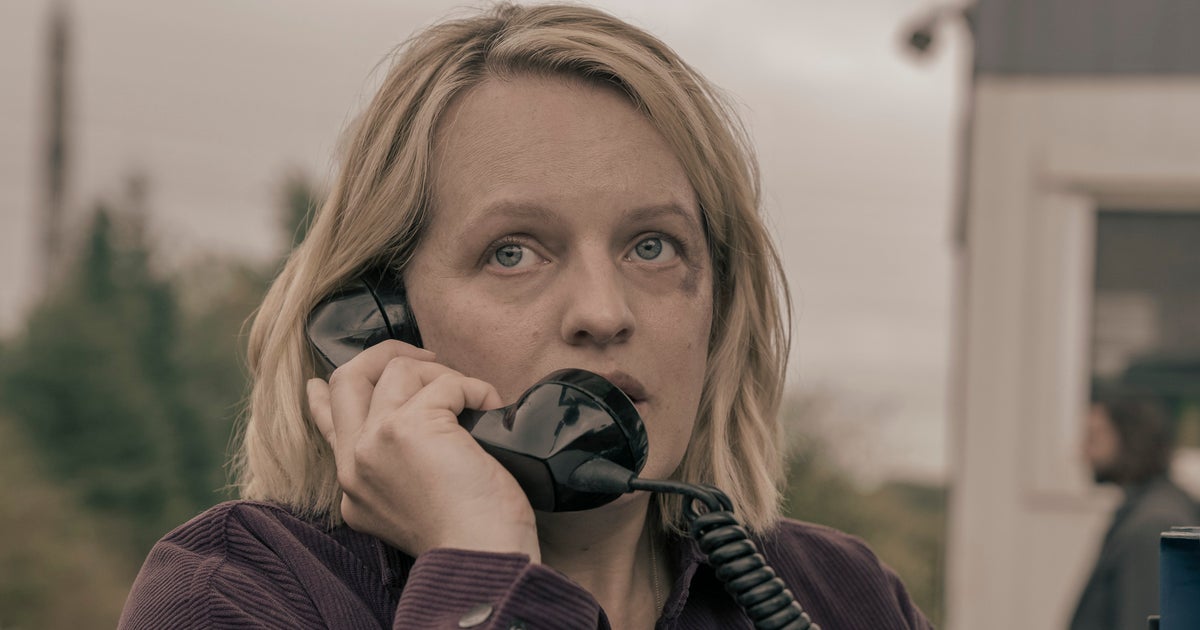
At the beginning of Season 6, June (Elisabeth Moss) and Serena (Yvonne Strahovski) embarked on their journey toward safety together. With tensions rising in Canada, they boarded a refugee train separately, each seeking safety: June fleeing Gilead after recently being the target of a hit-and-run attack and Serena fleeing the consequences of her controversial position in Gilead. I wondered if their past would render them incapable of supporting one another; June was once a victim of abuse in Serena’s home. But now, each of them had a baby to care for, and they were all each other had.


Bravo’s franchise is 20 this year, and it’s time to honor some of our favorite women.

Kerry Washington and Elisabeth Moss are the draw for this new Apple TV series, but the writing doesn’t give them enough to work with.

The long-running series has been riddled with mess for years. ABC, it’s time to let it go.

Scherzinger appeared at a loss for words to explain why the pop group is touring as a trio rather than the original six.

The medical drama's latest true-to-life storyline targets the president's ongoing immigration crackdown in the middle of the ER.

The actor and martial artist starred in the long-running TV series "Walker, Texas Ranger."

The show's live audience grimaced and groaned while the clip was shown.

Holly Hallstrom recalls how the late game show host’s behavior led her to go broke and live out of her car.

The stand-up comedian has joined a swath of celebrities to be honored with a less-than-perfect wax figure.

"My goal has always been to educate and inform," the news host said in announcing her departure.

“It makes no sense at all," said the late-night host.

The 55-year-old performer, whose given name is Michael Lawrence Tyler, pleaded guilty to third-degree rape in an Ascension Parish courtroom, records show.

"It's been a heavy time to see the headlines," the "Secret Lives of Mormon Wives" star told "Good Morning America."