What is ‘mirror life’ and why have scientists opposed it? Premium
The Hindu
Chiral molecules, mirror microbes, and the risks of mirror life explored by scientists in a detailed technical report.
In a mirror, left and right become swapped. While you unscrew a bottle cap anti-clockwise in the real world, in the mirror you’ll be rotating it clockwise. Anything that has a handedness -- left or right -- is said to be chiral.
Chiral molecules that are mirror images of each other are called enantiomers. A good example is the compound thalidomide. It was sold as a sedative for four years in the late 1950s before being withdrawn. Scientists found that the right-handed enantiomer worked as a sedative but the left-handed one caused severe birth defects.
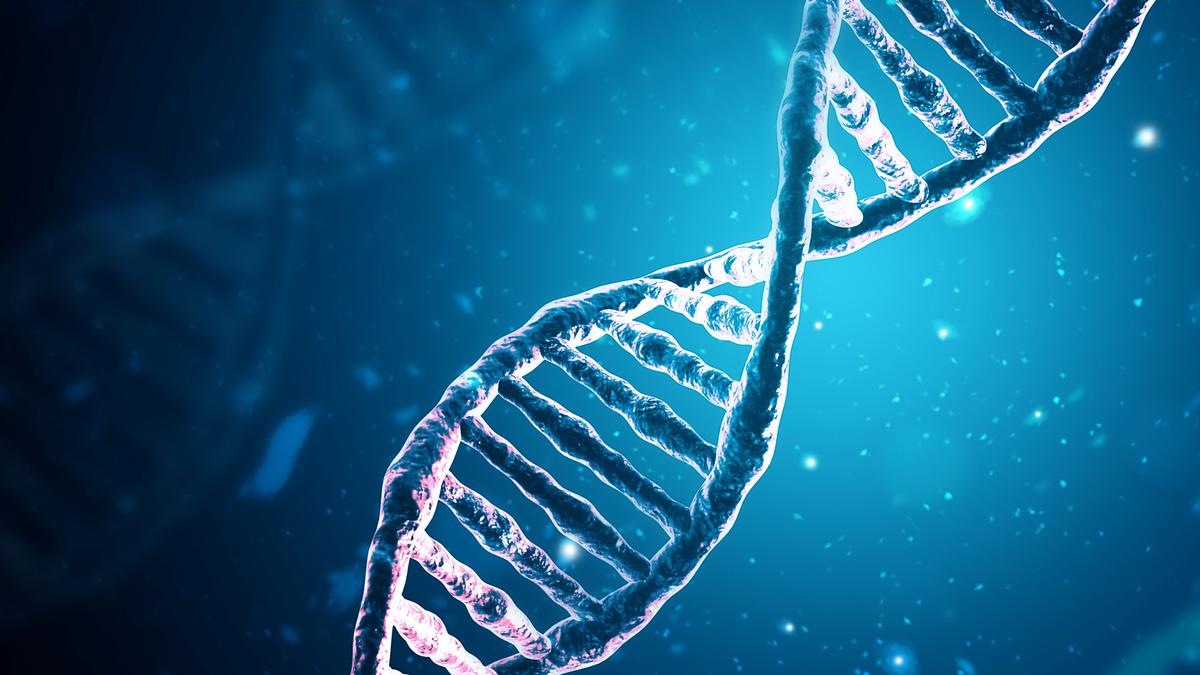
In the human body itself, the amino acids used to make proteins are all left-handed. Their right-handed enantiomers are absent. Similarly, the DNA in all our bodies is right-handed (the double-helix twists to the right). The reasons are a mystery.
Scientists have been making and studying enantiomers in the lab for a long time, but recently a few of them have started on the road to creating ‘mirror microbes’ -- synthetic bacteria whose building blocks are enantiomers of their natural counterparts.
Earlier this month, an international group of scientists, including Deepa Agashe of the National Centre for Biological Sciences, Bengaluru, published a 300-page technical report and a commentary in the journal Science warning against efforts to build mirror life.
“Our analysis suggests that mirror bacteria would likely evade many immune mechanisms mediated by chiral molecules, potentially causing lethal infection in humans, animals, and plants,” the commentary read. “They are likely to evade predation from natural ... and many other predators, facilitating spread in the environment.”
They acknowledged that mirror microbes may have valuable applications. For example, industrial facilities that use bacteria for decomposition or fermentation or to speed up chemical reactions could substitute them with mirror bacteria, which are likely to be more resilient. But the researchers also say the cons outweigh the pros in their analysis, and that there are other ways to solve the problems mirror bacteria can while incurring less risk.


PM Modi emphasizes India's pursuit of diverse gas and crude oil sources amid the global energy crisis due to West Asia conflict.

Kerala BJP chief Rajeev Chandrasekhar challenges Congress to prove undisclosed assets allegations in court, dismissing them as distractions.

As per information by Minister of State for Civil Aviation Murlidhar Mohol to a question in the Rajya Sabha, ₹146.89 crore has been utilised under the UDAN scheme till October 31, 2025.

Supreme Court rules women officers in Armed Forces deserve equal opportunities, upholding their right to permanent commission and pension benefits.

Telangana government assures no fuel shortage; Hyderabad police commissioner urges citizens to avoid panic buying

Telangana government employees will receive 10-20% discounts on electric vehicles to promote eco-friendly transportation, announces Transport Minister.

Discover the engaging teaser of 'Pallichattambi,' a period drama starring Tovino Thomas, releasing on April 10.

SP P. Jagadeesh reviews night patrols in Anantapur to enhance security and public safety during Operation Night Safety.

DMK announces candidates for 13 seats in Puducherry elections, reserving one seat for ally VCK amid strategic alliances.

Delhi HC safeguards Sonakshi Sinha's personality rights, prohibiting unauthorised use of her image and attributes across platforms.

Mohanlal's 'Drishyam 3', directed by Jeethu Joseph, has been postponed to May 21, coinciding with his birthday. The film marks the franchise's final installment.

Family of custodial death victims demands harsh punishment for nine convicted policemen to prevent future abuses of power.

United Democratic Front's candidate list for the 2026 Kerala Assembly elections, aiming for a significant political comeback.