Waymo leads autonomous taxi race in the U.S.
The Hindu
Waymo’s autonomous vehicles have become part of the everyday landscape in a growing number of U.S. cities.
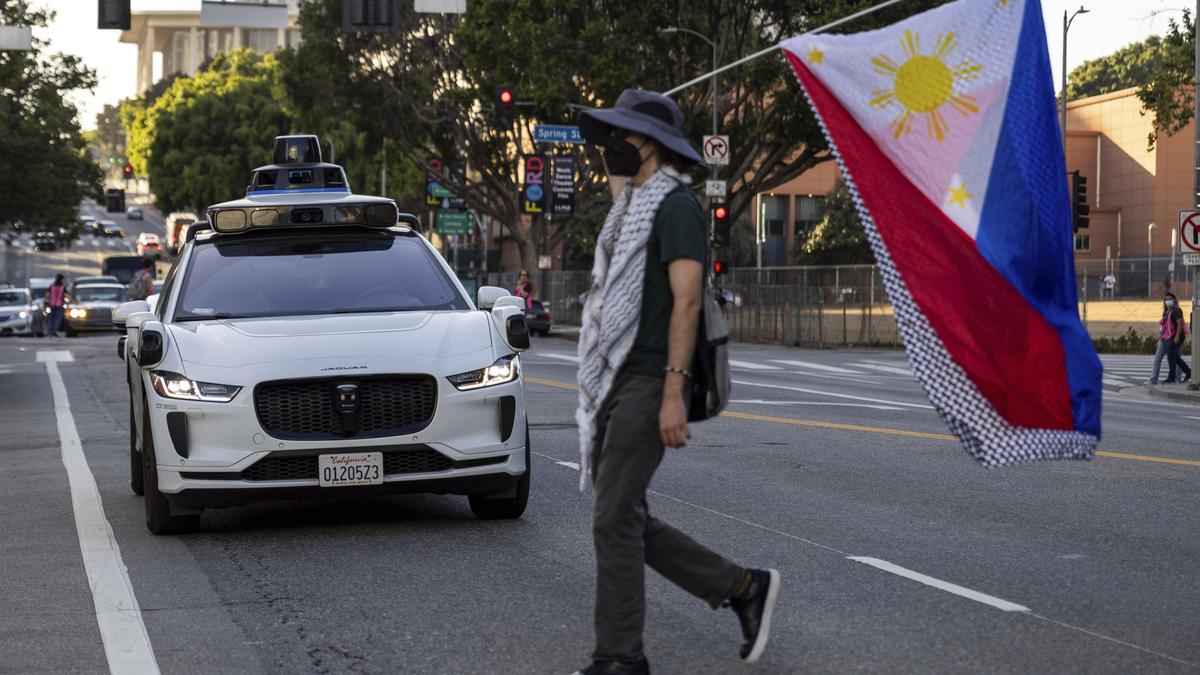
Waymo's autonomous vehicles have become part of the everyday landscape in a growing number of US cities, serving as safe transport options, tourist attractions, and symbols of a not-so-distant future. Their market dominance, however, is far from guaranteed.
As Tesla preps to launch its first driverless taxi service in Austin, Texas, this month after numerous delays, Waymo already claims to have more than 250,000 weekly rides across Phoenix, San Francisco, Los Angeles and Austin (in a partnership with Uber).
In San Francisco, locals barely notice the steering wheels turning by themselves anymore, with Waymo's fleet of Jaguars also available in parts of Silicon Valley.
But for tourists and business travelers, their first Waymo ride often becomes the most memorable part of a trip to the Golden Gate city.
In Los Angeles, the vehicles also became a target of protesters against the White House's immigration policies, who set Waymos on fire or covered them in graffiti.
That blip aside, Waymo has been going from strength to strength, with the company -- a subsidiary of Google-parent Alphabet, capturing 27% of San Francisco's market share, according to YipitData.
The data shows that Waymo has surpassed Lyft, the United States' second-largest ride-hailing service, in the city, while Uber maintains a dominant 50-plus percent market share.


Discover groundbreaking research on Titan's lakes, bat vaccinations, and the unique aroma of ripening bananas in just one minute.

IRSO's NavIC system faces challenges as the last atomic clock fails, reducing operational satellites for navigation services.

Discover efficient pressure cooking techniques to save up to 50% on fuel. OPOS B Ramakrishnan tells you how

Mercedes-Benz CLA 250+ with EQ Technology review: design, performance, range and features explained. Discover how the new electric CLA combines advanced AI, long range, fast charging and futuristic styling for the next generation of luxury EVs.

Pi Day is celebrated every year on March 14, honouring the significance of the mathematical constant π and its applications in mathematics.

Discover how sculptural interior design transforms modern spaces, blending creativity and functionality to evoke emotion and identity.

A study reveals that certain antibiotics can cause long-lasting changes in gut microbiome diversity for up to eight years.

Indian scientists and international experts are divided over a study questioning the viability of a nuclear reactor fuel called HALEU-thorium; while critics cite safety risks, proponents argue the technology is vital to achieve national energy goals.

ISRO and AIIMS partner to enhance space medicine research, focusing on human health during long-duration space missions.

A practical guide to induction setups for students, families, and home food businesses as India’s LPG supply faces its biggest disruption in years

Explore the electrifying Oscars 2026 race, featuring standout films, baffling nominations, and memorable performances amid a cinematic transition.

Zai and Rom Whitaker’s latest book for young readers, The Book of Indian Snakes, tackles common misconceptions surrounding snakes, highlighting their utility to humans

Discover PC Mahalanobis's pivotal role in India's statistical revolution and his lasting influence on modern statistics in this episode.