Uncertainty for P.E.I.'s federal public service employees as Carney plans to slash 16K jobs
CBC
The federal government is set to slash 16,000 positions — or about 4.5 per cent of the public service workforce — over the next three years, and it’s not yet clear what that might mean for P.E.I. where the federal government is one of the largest employers.
According to the federal budget announced Tuesday, the reductions are expected to begin in April 2026 and continue until 2029.
Public Service Alliance of Canada Atlantic regional executive vice-president Chris Di Liberatore said that target doesn’t include contract or temporary positions, and comes on top of the nearly 10,000 jobs cut in 2024-25.
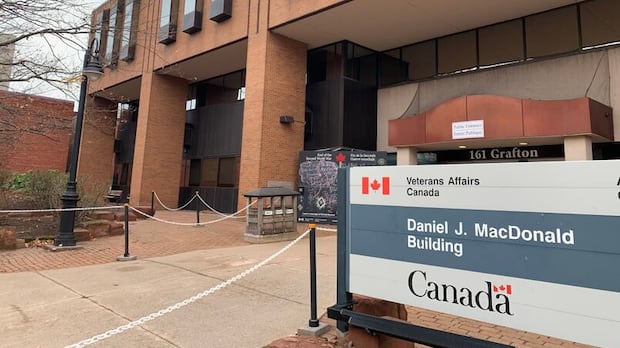
He said it’s not yet apparent exactly how the cuts might impact departments like the Canada Revenue Agency or Veterans Affairs, two of the largest employers in P.E.I.
“We are looking at the budget document, we are trying to figure out exactly how departments will be impacted and what departments will be impacted greater or to a lesser degree,” he told Island Morning host Mitch Cormier.
“So while we’re looking at this document and seeing where the numbers fall, we’re figuring out exactly how it is that we’re going to deal with the numbers that we’re facing.”
The budget aims to offset the reductions where possible through attrition and voluntary departures, but Di Liberatore said a cut is still a cut.
“That’s still a job that’s not being refilled, it’s additional work that’s going onto the plates of the folks that are delivering these services, which is just going to lead to higher volumes, longer wait times for services that Canadians rely on,” he said.
“It’s going to impact the health of our employees — they’re going to be burning out at a faster rate when we’re asking them to do so much more with less.… There’s younger folks who are disproportionately affected when these situations happen because the jobs available to them to start a career are not there any more.”
Di Liberatore believes the federal government is putting its focus in the wrong place.
“We know that during times of economic uncertainty that investing in the public service helps get us through those downturns,” he said.
“Especially now since COVID has opened up a world of people working remotely, it’s put a lot of workers into rural communities that would normally have had to relocate into urban centres, and we really believe that if the government embraced more remote work they could find the savings that they’re looking for without impacting the workforce or the salary and benefit line.”
Dalhousie University political science professor Lori Turnbull said it’s too soon to say how the reductions might impact individual departments, but it’s likely to mean changes to the programs currently offered — and the elimination of others altogether.
“I don’t think we have the level of granularity on that to know exactly what’s going to happen,” she said. “But [it] could mean that we see changes in terms of the services that are offered at the federal level whether it’s tax services, passports, that kind of thing.”


While we officially welcomed spring last week, an incoming system will be a reminder that snow is still very much part of the new season, especially early on.

The future of a national historic site in Fredericton is up for discussion at meetings across New Brunswick in the next few weeks as the Anglican diocese considers what to do about costly repairs needed at Christ Church Cathedral.

Amanda Lathlin, the first First Nations woman to be elected to the legislative assembly in Manitoba's history, has died, the provincial NDP said on Saturday.

CBC's road trip series Land of Living Stories explores inspiring stories of community spirit from across Saskatchewan. In our latest visit, CBC-Radio Canada hit the road to La Ronge. This is the fifth of a multi-part series from that community.

Dozens of people filled Regina's Fresh and Sweet cafe on Saturday to paint, collage and craft their concerns about artificial intelligence by making zines — a type of self-published small booklet, typically created by hand.

Wildfire season has officially started in Alberta. As the snow starts to melt, people are starting to wonder: Will I have to evacuate this year?

Two hikers were rescued near Lions Bay, B.C., on Saturday after slipping down steep, treacherous terrain, according to search and rescue personnel.

Members of the Filipino community on P.E.I. came together over the weekend to enjoy basketball at the Eastern P.E.I. Community Navigators’ second annual tournament.

Spring is heralded by the return of geese, but to many in Alberta's poultry industry, migration means something different.

A federal minister has stepped in to temporarily stop the deportation of a Montreal father and son, a last-minute decision the family's lawyer says underscores growing concerns that Canadian authorities are increasingly and abruptly separating the families of recognized refugees.

Residents in the Greater Toronto Area are noticing gas prices continue to soar and this fuel analyst says that’s not stopping anytime soon.

A group of Inuvik youth are learning how to design and print their own apparel.

The federal Conservative Party's campaign manager is shrugging off polls showing the Liberals hold a double-digit lead over the Tories — while Pierre Poilievre says he's broadening his image but won't change who he is.