Trump says Vance was ‘philosophically’ different on Iran while downplaying split
The Hindu
Trump downplays differences with Vance on Iran, asserting necessary airstrikes while acknowledging philosophical variations amid election pressures.
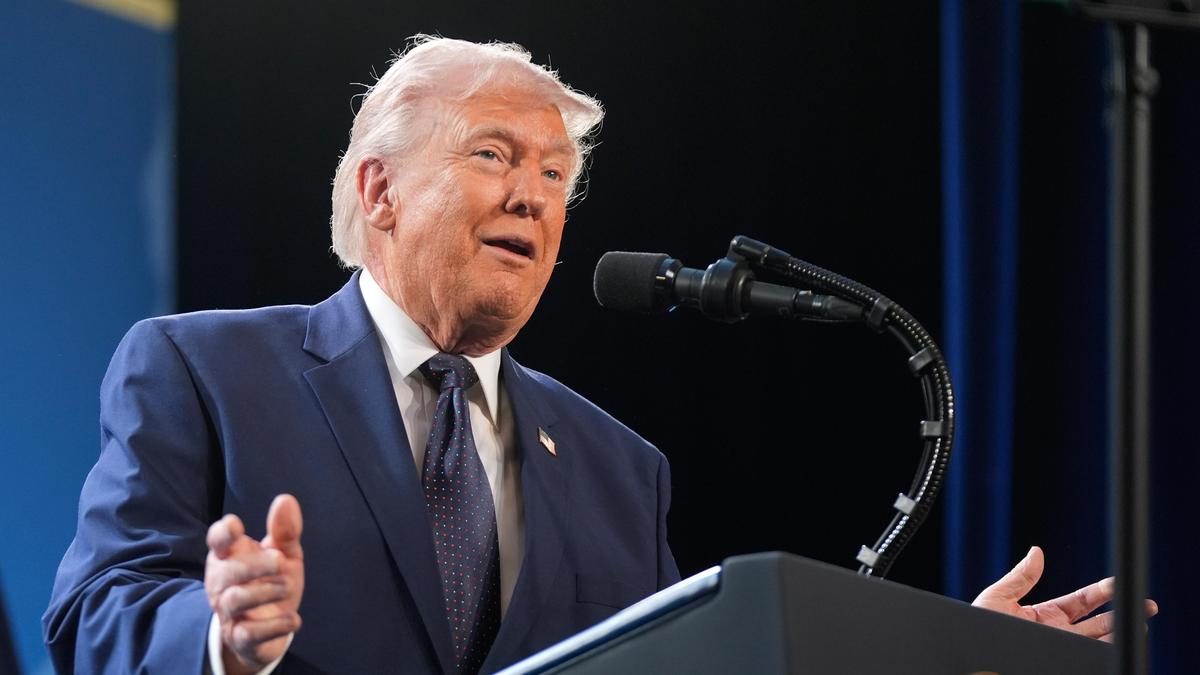
U.S. President Donald Trump said his Vice-President, J.D. Vance, was "philosophically a little bit different than me" at the outset of the war in Iran even as he dismissed the notion of a disagreement between the two.
Speaking to reporters on Monday (March 9, 2026) at his golf club in Doral, Florida, the President said Mr. Vance was "maybe less enthusiastic about going" but insisted that his decision to launch airstrikes in Iran alongside Israel was necessary.
ALSO WATCH Watch: Trump warns Iran over Strait of Hormuz, eases sanctions to stabilise supply
"I felt it was something we had to do," Mr. Trump said. "I did not feel we had a choice." Heading into a challenging election year, the war in Iran has stoked tension among Republicans, with some expressing reservations about how the operation fits into the "America First", isolationist-leaning movement the party has embraced during the Trump era.
Few have embodied that movement as prominently as Mr. Vance, who over the course of a decade rose from an author to U.S. Senator and ultimately Vice-President. He is now considered a top contender for the Republican presidential nomination in 2028, giving him the opportunity to carry Trump's movement into the future.
Alongside his political rise, Mr. Vance, a former Marine, has often reinforced Mr. Trump's vision of an America more focussed on solving problems at home than intervening in conflicts abroad. In a 2023 op-ed in The Wall Street Journal that has garnered renewed attention after the Iran strikes, Mr. Vance wrote that Mr. Trump has his support because "I know he won't recklessly send Americans to fight overseas".


Explore the role and influence of Iran's Revolutionary Guards amid escalating tensions and their pivotal role in regional conflicts.

Farooq Abdullah offers condolences to Iran's deputy ambassador, expressing solidarity amid global crises following Khamenei's death.

Indian hotels face potential shutdowns due to cooking gas shortages amid ongoing West Asia conflict disrupting supply chains.

Australia will deploy a surveillance aircraft and missiles to the UAE for defence, but no ground troops in Iran.

Iran intensifies attacks on Gulf Arab nations, disrupting energy infrastructure and escalating oil prices amid regional tensions.

Rastriya Swatantra Party wins 125 seats in Nepal's polls, aiming for a majority government as proportional representation votes are counted.

Sri Lanka raises fuel prices over 8% to combat panic buying amid rising global crude oil prices and supply fears.

Vendors generally charge well under $1 per check for basic machine-only age assurance tools, though for large volumes the price is often as low as single-digit cents, said industry executives.

Donald Trump says Iran war could be over soon, but oil disruption would trigger harsher U.S. strikes
Trump suggests a potential quick end to the Iran war, but warns of severe U.S. responses to oil supply disruptions.

Family sues OpenAI, claiming ChatGPT was used by the shooter to plan a deadly school attack in Canada.

The U.S. designates Afghanistan as a sponsor of wrongful detention, accusing the Taliban of engaging in hostage diplomacy.

Trump comments on Cuba's crisis, suggesting possible informal U.S. talks and a "friendly takeover" amid humanitarian concerns.

Iran-Israel war LIVE: Follow the latest updates on the West Asia conflict, on March 10, 2026