Trump climate health rollback likely to hit poor, minority areas hardest, experts say
ABC News
The Trump administration’s revocation of a scientific finding that climate change is a danger to public health is likely to affect communities of color the most
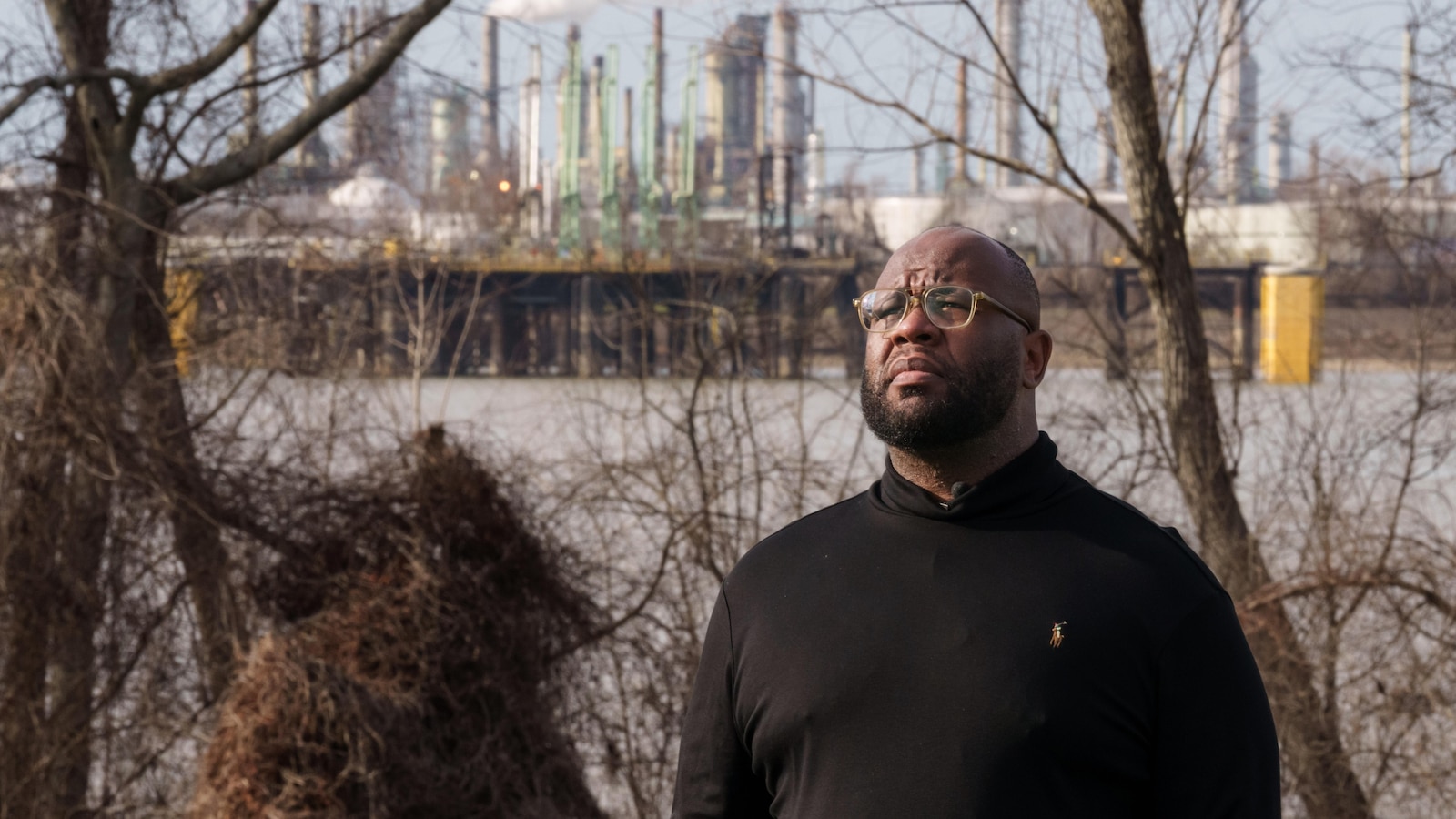
In a stretch of Louisiana with about 170 fossil fuel and petrochemical plants, premature death is a fact of life for people living nearby. The air is so polluted and the cancer rates so high it is known as Cancer Alley.
“Most adults in the area are attending two to three funerals per month,” said Gary C. Watson Jr., who was born and raised in St. John the Baptist Parish, a majority Black community in Cancer Alley about 30 miles outside of New Orleans. His father survived cancer, but in recent years, at least five relatives have died from it.
Cancer Alley is one of many patches of America — mostly minority and poor — that suffer higher levels of air pollution from fossil fuel facilities that emit tiny particles connected to higher death rates. When the federal government in 2009 targeted carbon dioxide and other greenhouse gases as a public health danger because of climate change, it led to tighter regulation of pollution and cleaner air in some communities. But this month, the Trump administration's Environmental Protection Agency overturned that “endangerment finding.”
Public health experts say the change will likely mean more illness and death for Americans, with communities like Watson's hit hardest. On Wednesday, a coalition of health and environmental groups sued the EPA over the revocation, calling it unlawful and harmful.
“Not having these protections, it’s only going to make things worse,” said Watson, with the environmental justice group Rise St. James Louisiana. He also worries that revoking the endangerment finding will increase emissions that will worsen the state's hurricanes.


EU regulators are investigating Shein over illegal products and an allegedly addictive app design under the bloc’s Digital Services Act

A young woman in Zambia was sent to a maximum-security prison after she was denied a legal abortion and ended her pregnancy on her own

A new artificial intelligence video generator from Beijing-based ByteDance, the creator of TikTok, is drawing the ire of Hollywood organizations

The federal agency that provides health care to Native Americans will no longer treat tooth decay with dental fillings containing mercury

As the definition of autism has widened, there’s a growing push to separate profound autism into its own diagnosis

Measles cases have surpassed 900 in the U.S., according to newly updated data from the CDC.

Some environmental scientists say the EPA rolling back the "endangerment finding" is concerning and could have major implications for human health.

The Trump administration is terminating $600 million in CDC grants for programs supporting HIV and STD prevention and HIV surveillance.

Real people aren’t allowed to post on Moltbook, but humans can scroll through the AI social network as observers.

Mexico could be at risk of losing its measles elimination status as the virus continues to spread across the country.

Dr. Mehmet Oz encouraged Americans to get the measles shot in one of the most public statements from a top health official within the Trump administration.

Health officials in Washington, D.C. are warning that people may have been exposed to measles in locations throughout the city.

Boxing legend Mike Tyson is out with an emotional Super Bowl ad sponsored by the HHS-aligned MAHA Center.