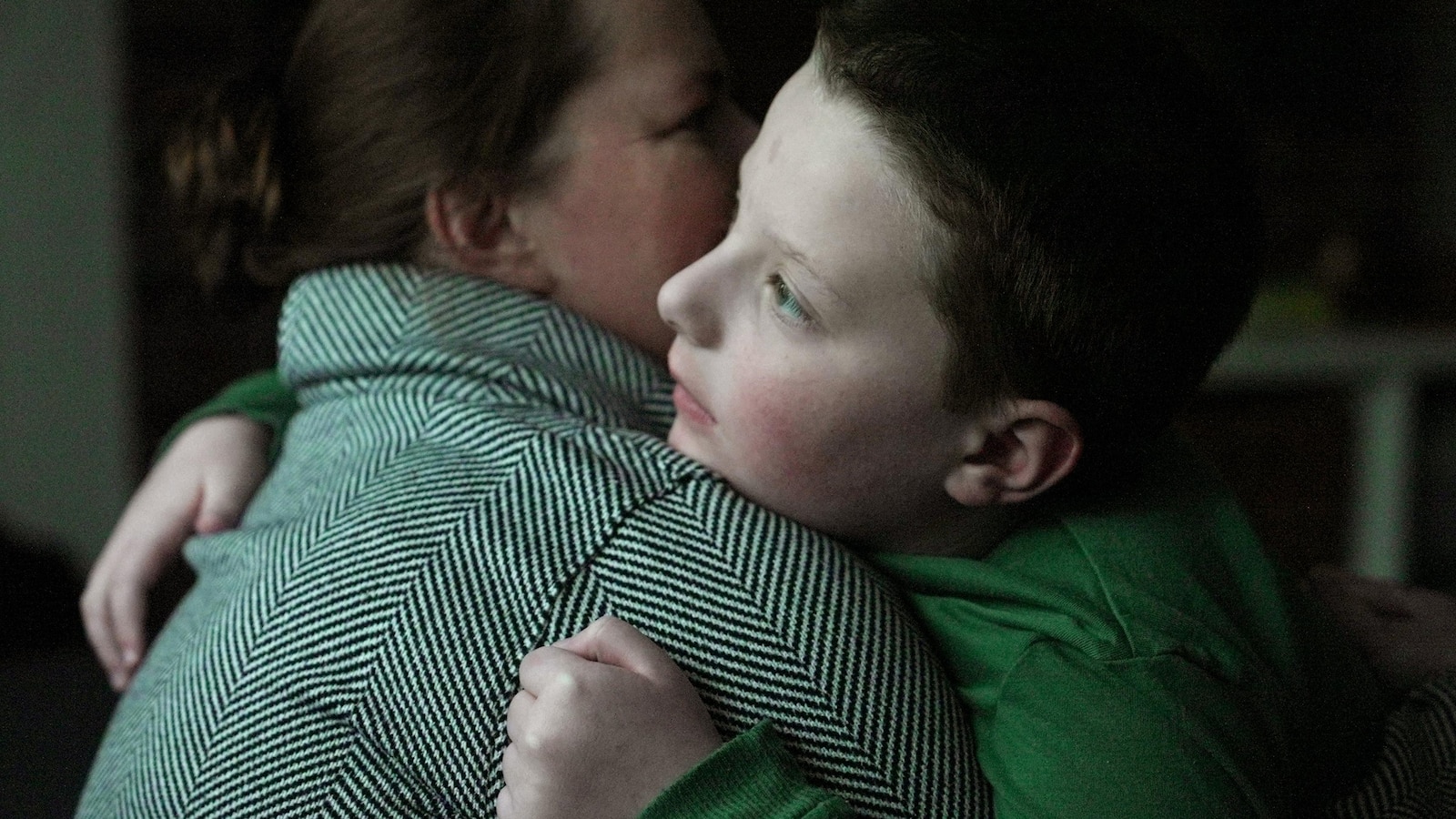
As some people push to make profound autism its own diagnosis, this family is raising twins with it
ABC News
As the definition of autism has widened, there’s a growing push to separate profound autism into its own diagnosis
AYER, Mass. -- Connor Murphy walked in circles around his dad, then flopped down on the kitchen floor, got up and walked in circles again.
His dad turned the 9-year-old’s repetitive behavior into a chance to connect. “Want me to pick you up?” Matthew Murphy asked, lifting, tickling and spinning with his son.
Such spontaneous moments are common in the Murphy household, which revolves around the needs of Connor and his twin brother Ronan, who both have profound autism.
“They’re going to need 24-7 care for the rest of their lives,” their father said. “Life will be a challenge for them, and we have to prepare them as best we can.”
Autism rates have been rising for decades, and two of the main reasons for the increase have, in a strange twist, taken some of the focus off helping people with round-the-clock needs. The diagnosis of autism spectrum disorder, adopted in 2013, is now very broad, including many people with low support needs. Also, better awareness of the condition has helped many more children get diagnosed than in the past — and most of those cases are relatively mild.


A new artificial intelligence video generator from Beijing-based ByteDance, the creator of TikTok, is drawing the ire of Hollywood organizations

The federal agency that provides health care to Native Americans will no longer treat tooth decay with dental fillings containing mercury

As the definition of autism has widened, there’s a growing push to separate profound autism into its own diagnosis

Measles cases have surpassed 900 in the U.S., according to newly updated data from the CDC.

Some environmental scientists say the EPA rolling back the "endangerment finding" is concerning and could have major implications for human health.

The Trump administration is terminating $600 million in CDC grants for programs supporting HIV and STD prevention and HIV surveillance.

Real people aren’t allowed to post on Moltbook, but humans can scroll through the AI social network as observers.

Mexico could be at risk of losing its measles elimination status as the virus continues to spread across the country.

Dr. Mehmet Oz encouraged Americans to get the measles shot in one of the most public statements from a top health official within the Trump administration.

Health officials in Washington, D.C. are warning that people may have been exposed to measles in locations throughout the city.

Boxing legend Mike Tyson is out with an emotional Super Bowl ad sponsored by the HHS-aligned MAHA Center.

The O2O system could send more data to Earth than ever before, NASA says.

Vonn is skiing cautiously at the Olympics a week after tearing her ACL.