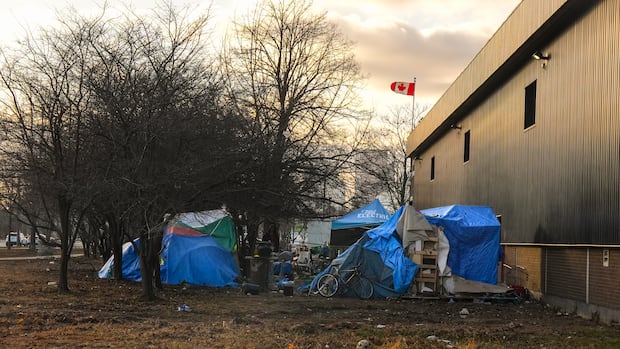
Toronto releases winter plan for unhoused people, but advocates say it won't get everybody out of the cold
CBC
Toronto will open 1,275 additional shelter spaces for unhoused people this winter, but advocates say the plan is not robust enough to get everybody without a home out of the cold.
The city will provide more spaces in shelters, 24-hour respite sites and warming centres, open units in supportive and subsidized housing and make surge capacity spaces available, as part of its winter services plan for people experiencing homelessness, according to Gordon Tanner, manager of Toronto Shelter and Support Services.
The plan, released on Friday, runs from Nov. 15 to April 15, 2026.
"This year's plan looks very much like last year, but there's always learning to be done," Tanner said.
This weekend, the city will open a "select" number of warming centre spaces ahead of the plan's launch. Environment Canada has said between two and 10 centimetres of snow could fall in Toronto on Sunday and the temperature could drop to – 5 C at night.
Tanner said the city will initially expand the shelter system with about 490 new beds.
When the temperature drops below – 5 C, it will open five warming centres throughout the city, which means 244 spaces. Then, when the temperature plunges to –15 C, the city will open another two warming centres that will add about another 175 surge capacity spaces.
To help people move out of the shelter system, the city will open 370 supportive and subsidized housing units over the course of winter, he added.
Tanner said the city will also extend the hours of several daytime drop-in programs, which provide food, healthcare, showers, laundry and recreational activities, by 262 extra hours of service a week.
When the temperature reaches – 15 C, he said the city will also deploy additional street outreach teams to encourage people to come indoors. Staff will continue to conduct regular outreach to provide services as well as warm clothing and sleeping bags during the winter.
Melody Li, executive director of Homeless Connect Toronto, said she welcomes the city's plan, but says ultimately affordable housing is the solution. Homeless Connect Toronto co-ordinates “one-stop-shop” events for people at risk of and experiencing homelessness in Toronto.
"I've seen more commitment even from the city ... to ensure not just shelter spaces, but longer-term affordable housing options available in the next 10 years. I can see that reflected in this plan as well, which is good, but still a long way to go."
Diana Chan McNally, a community worker, said there are still barriers that haven’t been addressed in the plan and says the city should provide TTC fare to unhoused people.
"We don't actually have a transportation plan for people. We are suggesting to them, get on the TTC, go there, but they may not actually have the fare. So there's always some kind of barrier for people to be accessing these programs," she said.


A national organization is seeking people with experience in Canada's forestry sector as they put together a working group that will examine ways to improve forest recovery following wildfires.

Ella Heyder is bracing for a breakup, even though she already moved out decades ago.

Shawne Hopkins never saw it coming.

Politicians return to Queen’s Park Monday for a shortened spring session, as Premier Doug Ford prepares to unveil his eight budget amid heightened global economic uncertainty.

Despite a recent announcement that a water supply pipeline will be build in Oneida Nation of the Thames, some members of the community say that's no excuse for taking water for granted.

As scandal has swirled around former prince Andrew Mountbatten-Windsor, questions and curiosity have also focused on his ex-wife, Sarah Ferguson, and their daughters, Princesses Beatrice and Eugenie.

Friday may have been the first day of spring, but winter storms are not over yet for Newfoundland.

While we officially welcomed spring last week, an incoming system will be a reminder that snow is still very much part of the new season, especially early on.

The future of a national historic site in Fredericton is up for discussion at meetings across New Brunswick in the next few weeks as the Anglican diocese considers what to do about costly repairs needed at Christ Church Cathedral.

Amanda Lathlin, the first First Nations woman to be elected to the legislative assembly in Manitoba's history, has died, the provincial NDP said on Saturday.

CBC's road trip series Land of Living Stories explores inspiring stories of community spirit from across Saskatchewan. In our latest visit, CBC-Radio Canada hit the road to La Ronge. This is the fifth of a multi-part series from that community.

Dozens of people filled Regina's Fresh and Sweet cafe on Saturday to paint, collage and craft their concerns about artificial intelligence by making zines — a type of self-published small booklet, typically created by hand.

Wildfire season has officially started in Alberta. As the snow starts to melt, people are starting to wonder: Will I have to evacuate this year?