Too many trekkers spoil the mountains Premium
The Hindu
Activists have called for stringent measures and access to be limited to only serious trekkers studying forests and the environment
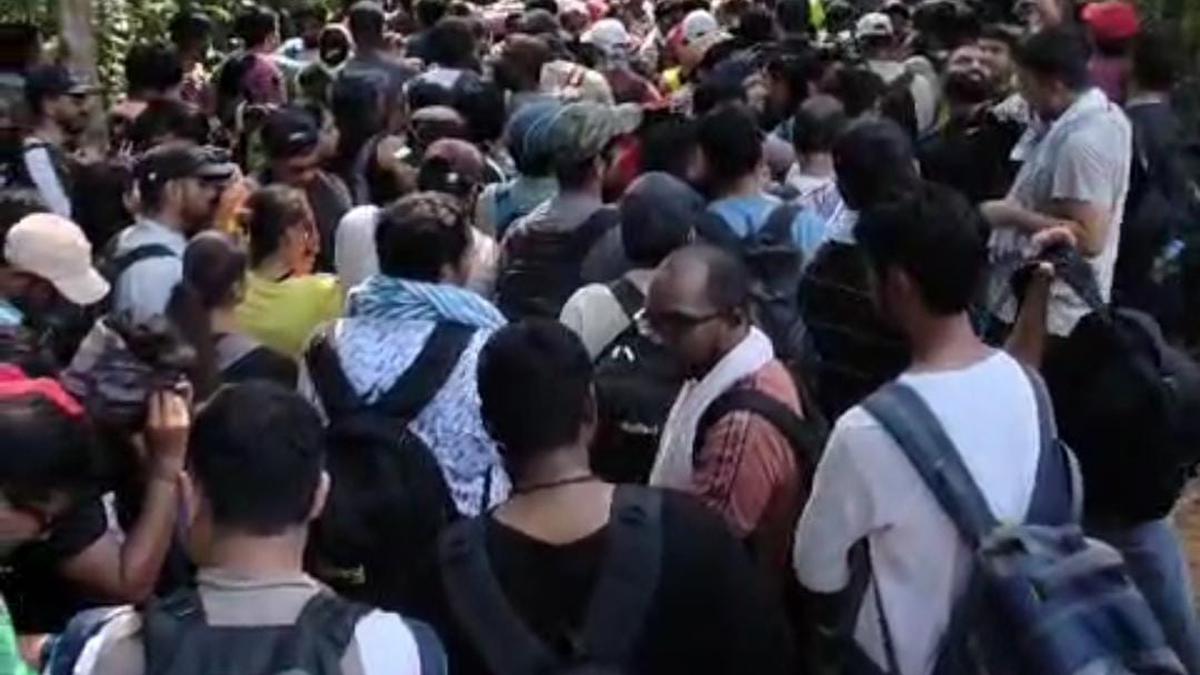
After 4,000 trekkers climbed the Kumara Parvatha peak in the ecologically fragile Pushpagiri Wildlife Sanctuary on the Republic Day weekend, an alarmed Karnataka government temporarily banned trekking in the State. Until a standard operating procedure is put in place, routes without an online booking system would remain closed, it said.
Although temporary in nature, the ban will effectively extend until September, as trekking is not allowed in the forest from March to September due to the risks associated with the monsoon months and probable forest fires.
Also read | Karnataka’s troubled trekking trails
Videos of a traffic jam of climbers en route to the peak went viral on social media. The government took this decision after ecologists and conservationists raised concerns about the damage that this could cause to the ecologically sensitive Western Ghats. While welcoming prompt action from the government, activists have called for more stringent measures and access to be limited to only serious trekkers studying forests and the environment.
Nowadays, many young trekkers with disposable incomes book weekend getaways that are challenging. They often flood social media with their personal vlogs, capturing their unique experience of negotiating a tough terrain. At a height of 5,600 feet, the Kumara Parvatha in Dakshina Kannada is considered one of the toughest treks in south India. The trek extends 25 km both ways, starting from the Kukke Subramanya temple, about 280 km from Bengaluru.
Several private tourism agents and trekking clubs offer trekking packages to large groups, which include food packets, tents, and forest entry fees. So much so that forest department officials face challenges in handling the crowds at entry points. This is where baggage is checked for banned items and passes are then issued. Some serious trekkers have likened the weekend crowds to that of the Everest base camp during peak season and prefer to trek during the weekdays.
It is puzzling that the forest department has not fixed restrictions on the number of trekkers who can enter the forest per day, especially since the Karnataka Tourism Policy 2020-26 (revised) states that “ecotourism activities shall focus on increasing awareness towards conservation and sustainability of biodiversity and natural environments.” It adds, “The development and promotion of ecotourism shall be done after careful consideration of the destination’s carrying capacity…”


Delhi CM Rekha Gupta presents the Economic Survey 2025-26, highlighting growth in income and fiscal deficit details.

Ready for IPL 2026? The Chennai Super Kings’ 'Roar 26' event delivered several Dhoni moments, fan frenzy and an energetic AR Rahman concert.

An alleged dating app scam in Hyderabad's Jubilee Hills has reportedly swindled a man of ₹28,000 at a pub.

T.N. Chief Secretary and DGP visit Governor at Lok Bhavan, presenting flowers in courtesy call.

Eight TSPC Maoists arrested in Hazaribag, Jharkhand, with weapons and ammunition seized during a police operation.

Four ambulances of a Jewish community service in London were set ablaze in a suspected antisemitic hate crime.

Gautham Manohar hopes his photographs serve as reminders of the Earth’s delicate beauty

Thousand Lights faces parking chaos and traffic congestion despite its political significance and ongoing development efforts.

Generic semaglutide increases accessibility, but doctors caution against misuse and quality concerns

Haryana Police removes 857 links to Badshah's 'Tateeree' for objectionable content, ensuring a safer digital environment.

Congress criticises Modi for not leveraging the upcoming BRICS+ Summit to address the West Asia crisis amid U.S. tensions.

Nagapattinam faces underdevelopment and resource challenges, impacting its rich heritage and the livelihoods of its fishing community.

One of the best games of 2025 makes it over to the PC, with a harder mode and bristling with new graphic tech