The Science Quiz: Modern India’s foundations of science and scholarship
The Hindu
The Science Quiz: Modern India’s foundations of science and scholarship
Questions:
1. In the early 1900s, this chemist published a famous work called ‘A History of Hindu Chemistry’ in two volumes. He was noted for his work on the synthesis of various nitrites and as an industrialist, philanthropist, and nationalist. The British called him a “revolutionary in the garb of a scientist”. Name him.
2. Some scientists were instrumental in adapting what was still a European science to India’s needs. For example, A published the book ‘Applied Nutrition’ in 1969 — an important text that adapted the precepts of nutrition science to Indian conditions. Name A.
3. In the late 19th century, when Jamsetji Tata and B were travelling together from Yokohama to Chicago, a conversation they’d had inspired Tata to later help set up the Indian Institute of Science (IISc). Name B.
4. In 1933, IISc director C.V. Raman declined to admit C for an MSc because she was a woman, prompting C to protest outside his office. He finally relented, albeit with some shameful conditions. After graduating, C left the country for the U.K. and became a noted biochemist, returning in 1939 to participate in the freedom struggle. Name C.
5. In 1904, public health activists D and John Andrew Turner founded the Bombay Sanitary Association to advocate for “sanitary consciousness”. D was also among India’s first medical researchers who conducted clinical trials. Name D.
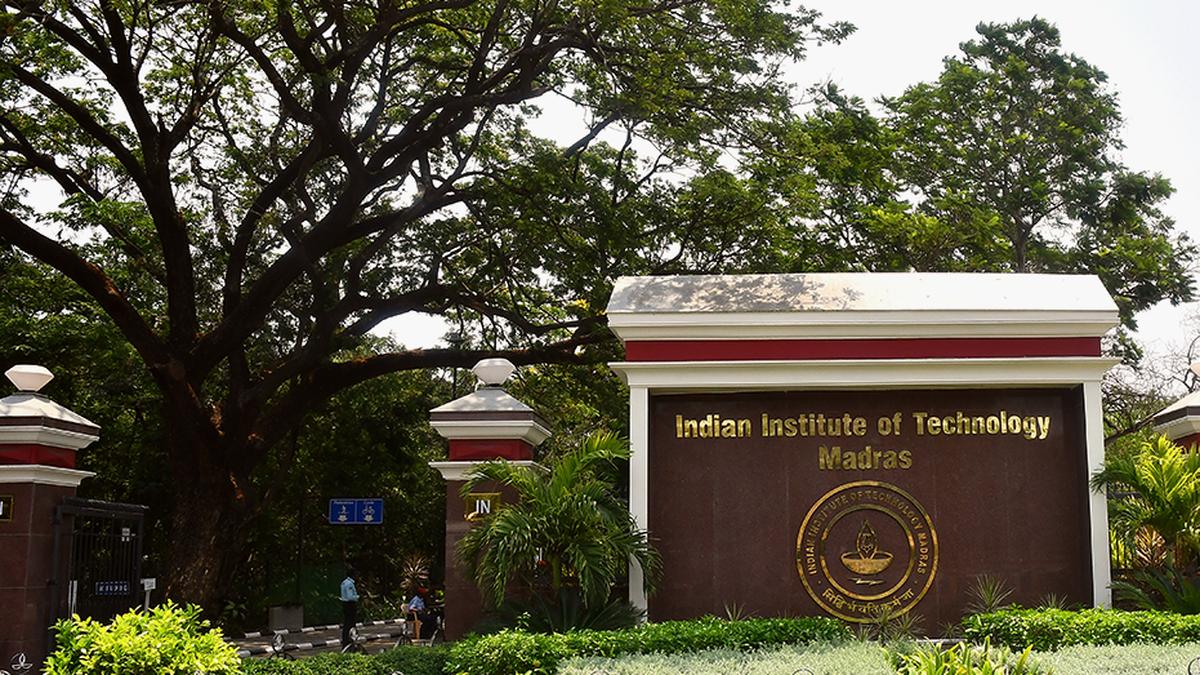
Visual:


Set between the Siwalik hills and the plains, Butwal offers travellers a mix of regional cuisine, pilgrimage trails to Lumbini and the comfort of Hyatt’s new hospitality landmark

Explore 2026's wallpaper trends in India, highlighting botanicals and handmade designs that enhance modern homes with nature-inspired aesthetics.

Mercedes-Benz CLA 250+ with EQ Technology review: design, performance, range and features explained. Discover how the new electric CLA combines advanced AI, long range, fast charging and futuristic styling for the next generation of luxury EVs.

AI tool for sparrow conservation

BTS’s comeback with ‘Arirang’ marks a major global music event. When does the album release, and where can you watch their concert live stream? We have all the details

The 2026 U.S. cholesterol guidelines urge starting screening and treatment at 30 to prevent cardiovascular disease effectively.

Olam Festival 2026 in Thiruvananthapuram returns March 27-29 with 120+ vendors, music, art, and cultural zones.

A few storytellers in Thiruvananthapuram share their journeys, challenges, and evolving methods on World Storytelling Day, inspiring young minds.

76-year-old Kurian Jacob from Kerala triumphs with seven medals, including five golds, at the Open Masters Games in Abu Dhabi.

Explore the nature of the human mind as an emergent property of brain activity and complex neural interactions.

CERN's Large Hadron Collider discovers the Xi-cc-plus particle, enhancing understanding of quantum mechanics and baryon behavior.

Vibha Batra’s latest book, Spotless (Hachette India) is a novel in verse for young adults

In its first edition, the Madras Art Salon spotlights the works of journalist and artist Narayan Lakshman at The Botanical Club, a social space in the British Deputy High Commission, Chennai