The Best Butter To Buy At The Grocery Store, According To Experts
HuffPost
If you haven't tried cultured butter yet, you haven't lived.
Butter is having a moment. No longer just a bit player in baking or a back-of-fridge standby, it’s taking center stage — whipped into sculptural boards, swirled into pastas, slathered generously on crusty bread. And yet, most of us still toss the same familiar yellow box into our grocery carts week after week. What actually makes a butter “better,” and which store-bought slabs are worth the splurge?
To find out, we talked to chefs, cheesemongers and cookbook authors obsessed with butter — not just for the flavor, but for the science and soul behind it. We asked about butter for cooking, baking, and simply slathering on a piece of toast. What we discovered: Great butter isn’t about branding. It’s about butterfat, culture (literally) and how it performs on your toast and in your pan.
The Magic Of Cultured Butter
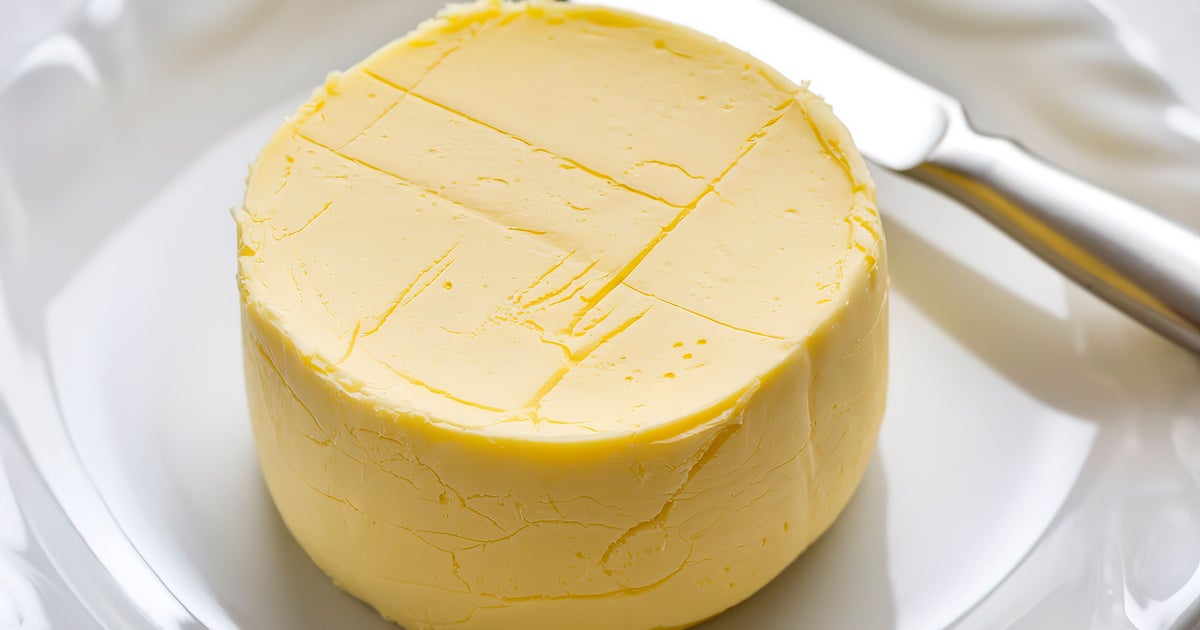
First, let’s break down the basics: Most American butter is made from sweet cream, which means it’s churned from pasteurized fresh cream and tastes clean and mild. Cultured butter, on the other hand, is made by fermenting cream with lactic acid bacteria before churning. The result? A richer texture and a slightly tangy, more complex flavor — like the difference between milk and crème fraîche.
“Cultured butter has a much more pronounced buttery flavor than sweet cream butter,” said John Montez, a certified cheese professional through the American Cheese Society and training manager at Murray’s Cheese. “It has a slight tang … and when butter is the star of the show [like spread on a crusty baguette], for me it has to be cultured.”


If you and your friends still keep tabs on that girl from high school, this is for you.

These lazy (but legit) meals are homemade as hell, and much more satisfying than takeout.

You'll need a portable phone charger, compact backpack and some first aid before you pack up and go on a trip outside the country.

With TSA officers working without pay and spring break travel ramping up, experts offer tips to reduce stress and avoid missing flights.

This stowaway truly was sly as a fox.

Talking to friends about your feelings and frustrations can be healthy — but experts warn you should look out for a few damaging traps.

There's good news and there's bad news. This will help you make some sense of it.

If you have carpets or rugs, sorry: They're even dirtier than you think.

A recent study found the most commonly reported symptoms of perimenopause had nothing to do with hot flashes or weight gain.

Alleviate post-workout soreness with these expert-recommended tools.

Experts, including the U.S. Labor Department, have been warning about this moment since Trump took office.

This time of year is prime season for these fast-spreading illnesses.

Chinese medicine might have the answer to this common bedroom discomfort.