The art of the indirect and the anxiety about Empire in ‘Mrs. Dalloway’ Premium
The Hindu
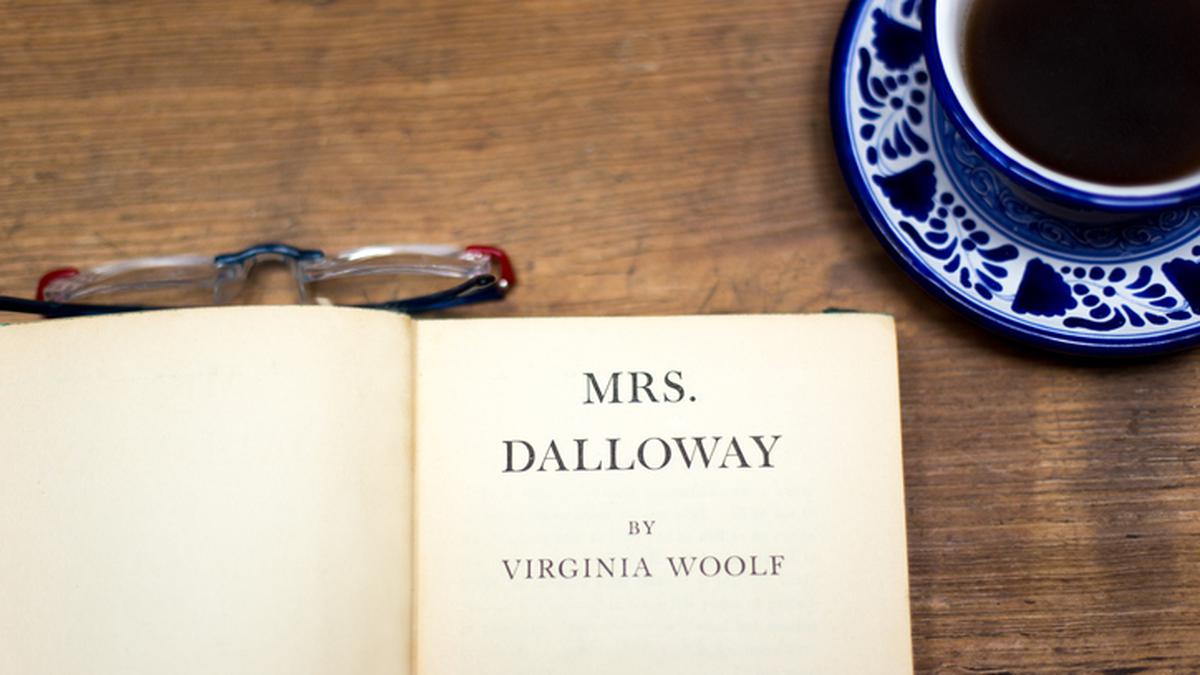
The article talks about Virginia Woolf’s novel where India is mentioned a few times, but there are clues to suggest that even upper class people, apolitical londoners would have to confront reality.
When you reach a certain age, you realise that some things can only be said indirectly. “Mrs. Dalloway said she would buy the flowers herself.” Few writers are more skilled than Virginia Woolf in the art of the indirect. Clarissa Dalloway is giving a party. The novel is about the day of the party.
Woolf set her day-in-the-life novel in London on a hot summer day in June, 1923 – a hundred years ago. As novels do, Mrs. Dalloway encompasses many lives and many years in a day. England is recovering from the devastation of the Great War, one that is not yet referred to as the First World War because the next one is still too far away to even be imagined. And yet the war has changed things in ways that society is yet to understand fully. In the novel, at Regent’s Park, a soldier who fought in the war tries to cope with what 21st century readers will recognise as post-traumatic stress disorder or PTSD. Later in the day, in an act of desperation, he will kill himself; and news of his death will inescapably find its way into Clarissa Dalloway’s party.
It took me a fourth reading of Woolf’s novel to see that it is also filled with anxiety about Empire and, specifically, India.
A war has ended. Its after-effects remain. The British Empire is quite remote, at least geographically. India is mentioned by name perhaps only half a dozen times: a colonial who has returned from some imperial outpost; a reference to a military family; a fleeting glimpse, no more than a passing mention, of trunks for travel to India on display in the Army and Navy Stores.
And yet, for a novel that all about people walking along London streets and parks, the looming and unspoken question in politically-minded Westminster is India. What, as one of the characters reflects, does the conservative government plan to do about India?
Meanwhile, in India itself, in the five years before the novel is set, English civil servants have been carrying out their imperialist duties. India is in turmoil. To start with, the brutal Rowlatt Act has provoked strong protests. A British commanding officer has ordered his troops to fire on unarmed Indian civilians in Amritsar’s Jallianwala Bagh, killing several hundreds. Gandhi now leads a united Indian front in a powerful mass movement of non-cooperation and non-violence. None of these things are mentioned in so many words in Woolf’s novel, but they are all contained in every careful mention of India.
And as is often the case in times of acute anxiety, a rich London hostess is organising a party that evening. Her husband is a Member of Parliament.


Pinarayi Vijayan criticizes Rahul Gandhi and Congress for allegedly aiding BJP's rise in various states during Kerala polls.

Sonia Gandhi is responding well to treatment for a systemic infection and remains under observation at a Delhi hospital.

J&K Police's Counter Intelligence Wing conducts raids in three districts linked to a transnational terror module operated by Lashkar-e-Taiba.

Vaccination policies must prioritize saving human lives over individual choice amid rising vaccine skepticism, asserts scientist Dr. Virander Singh Chauhan.

Seven Indian fishermen from Rameswaram arrested by Sri Lankan Navy, sparking protests and calls for government intervention.

Kerala cyber police file a case against X for an AI video allegedly defaming PM Modi and the Election Commission.

iKure and Izawa Co. partner to combat avoidable blindness by integrating innovative eye care technology into rural healthcare networks.

Thousand Lights MLA from the DMK N. Ezhilan, in an interview to The Hindu, observes that any popular personality entering politics will attract the limelight. But only a structured party machinery combined with popularity can ensure success. In this interview, he speaks about his tenure as first-time MLA from Thousand Lights Assembly constituency in Chennai, Vijay’s political entry shaping the 2026 elections, redressal of key grievances and more.

Abhishek Banerjee challenges BJP's Suvendu Adhikari in Nandigram, pledging community health initiatives if Trinamool Congress wins.

Rising LPG shortages in Karnataka boost firewood demand, reviving an informal market as households and hotels seek alternatives.

Against the backdrop of intense poll activity, a 400-metre stretch of an arterial road in the outskirts of Chennai (technically in Madurapakkam panchayat under Tambaram assembly constituency) presents a salute to the idea of res publica, which underpins India’s system of governance, where citizens have a say, at least before a government is securely ensconced in the seat of power. A Republic Day initiative shines bright every night

Fadnavis claims zero FIR in Ajit Pawar crash is a defamation attempt by Karnataka against Maharashtra's investigation efforts.

Set to unfold as a one-day pop-up on April 5, the Easter Sadya brings together both vegetarian and non-vegetarian menus, offering a peek into the food traditions of the Syrian Christian (Nasrani) community. While the traditional Sadya is often associated with dishes such as sambar, avial, and rice, this version expands to include community-specific festive dishes.