Taliban believe Afghanistan rule is ‘open-ended’, don’t plan to lift ban on female education
The Hindu
Taliban spokesman Mujahid said the group is doing its best to provide health care and other services to Afghans, but that the lack of international aid and recognition is hampering its efforts.Taliban spokesman Mujahid claims their rule of Afghanistan is open-ended, drawing legitimacy from Islamic law and facing no threat. He indicated a ban on female education will remain in place. To mark the two-year anniversary, a public holiday was declared, but women were largely barred from participating. The Taliban have settled in, avoiding divisions and keeping their economy afloat, despite restrictions on women and girls. Mujahid said the Taliban don't need help from others to restart female education and that harmony among religious scholars is more important. Aid agencies, rights groups and the U.N. have condemned the Taliban's rule and warned of the humanitarian crisis gripping the Afghan population.
The Taliban view their rule of Afghanistan as open-ended, drawing legitimacy from Islamic law and facing no significant threat, their chief spokesman said in an interview marking the second anniversary of the Taliban takeover of the country. He also indicated a ban on female education will remain in place.
Zabihullah Mujahid brushed aside any questions from AP about restrictions on girls and women, saying the status quo will remain. The ban on girls attending school beyond sixth grade was the first of what became a flurry of restrictions that now keep Afghan women from classrooms, most jobs and much of public life.
The Taliban seized power on August 15, 2021, as U.S. and NATO forces withdrew from the country after two decades of war. To mark the anniversary, Tuesday was declared a public holiday. Women, largely barred from public life, didn’t take part in the festivities.
OPINION | Teaching the Taliban the wrong lessons
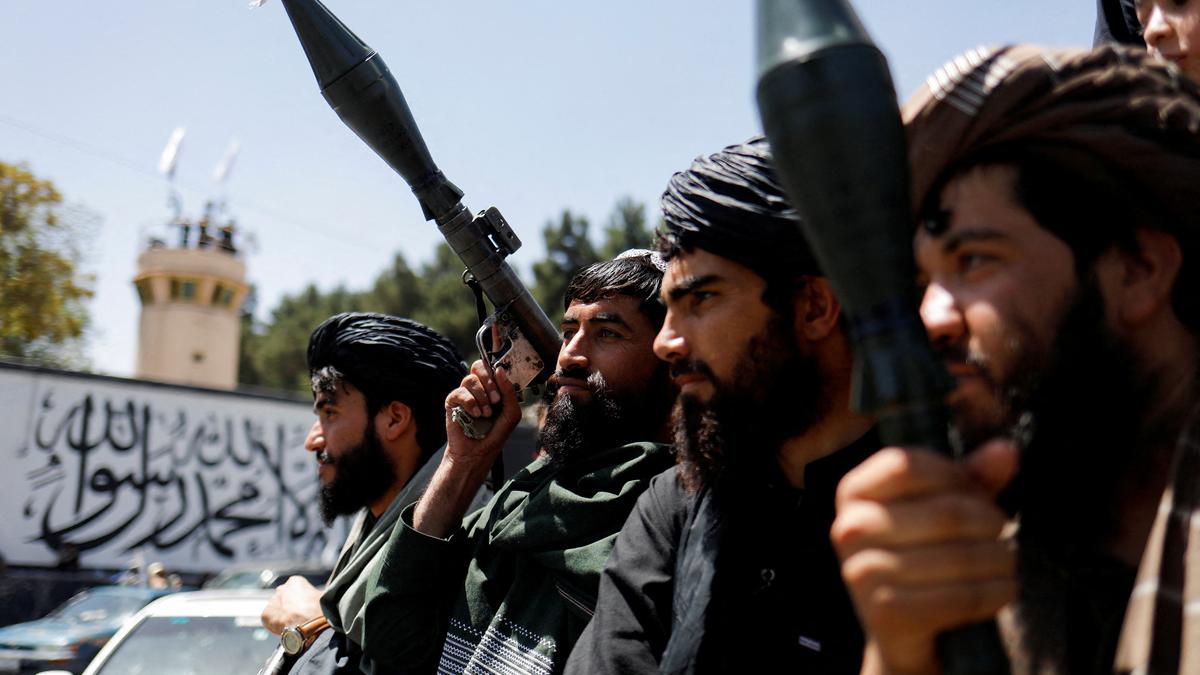
In the southern city of Kandahar, the spiritual birthplace of the Taliban, military personnel posed with armored vehicles. Young men rode through the city on bicycles, motorcycles and cars, waving flags and brandishing weapons. Toddlers clutched small white Taliban flags bearing a photo of Defense Minister Maulvi Mohammad Yaqoob on the bottom right corner.
In the capital, Kabul, pick-up trucks crammed with men and boys wound their way through the city. Men swarmed Martyrs Square, taking selfies and clambering onto a monument. Boys posed with rifles.
Over the past two years, it has become increasingly apparent that the seat of power is in Kandahar, the home of supreme leader Hibatullah Akhundzada, rather than the Taliban-led government in Kabul.


Iran arrests over 100 alleged monarchist and spy networks amid ongoing conflict, as authorities intensify crackdowns across the nation.

Indonesia arrests four military officers linked to an acid attack on activist Andrie Yunus, sparking calls for an independent investigation.

Sri Lanka's Minister Bimal Rathnayake announces support for Indian refugees, urging political sensitivity from Tamil Nadu and India.

Trump temporarily waives maritime law to lower energy costs amid rising gasoline prices from the Iran-Israel conflict.

Gideon Levy discusses Israel's militarism, the Palestinian question, and the challenges of achieving peace in West Asia.

Israel claims to have killed another top Iranian official as Iran's missile attacks near Tel Aviv leave two dead.

Test your knowledge with our daily quiz on significant events that occurred on March 18.

Iran's Foreign Minister asserts nuclear doctrine remains unchanged and advocates for a new protocol for the Strait of Hormuz post-war.

Exploring Banksy's identity reveals the significance of his anonymity and the cultural impact of his provocative art.

Iran's Foreign Minister asserts Larijani's assassination won't destabilize the political system, while the IRGC pledges revenge.

Shorts News:Watch: Cuba right now in ‘very bad shape’: Trump

As political loyalties shift, Vice President Vance navigates the turbulent MAGA landscape amidst Trump's new war strategy.

Oil prices drop over $2 as Iraq and Kurdish authorities finalize an export deal, easing supply concerns amid ongoing conflict.