‘Smog’ in the boardroom: India Inc. confronts the cost of air pollution
The Hindu
India Inc. faces rising air pollution costs, with earnings calls increasingly addressing smog's impact on business operations and risks.
Air pollution has moved from the margins of environmental reporting to the center of corporate boardroom conversations in India — and increasingly, into earnings calls.
In 2025, the phrase “air pollution” was mentioned 988 times in earnings calls of companies in the BSE AllCap index, according to a Bloomberg analysis. The spike reflects a sharp rise in management commentary on smog-related disruptions, regulatory curbs and shifting consumer behavior. What was once treated as a seasonal civic concern is now being framed as a recurring business risk.
For consumer-facing companies, pollution is directly affecting sales. Retailers have cited weak store footfall during severe smog episodes, as customers avoid stepping out. In the December quarter, Shoppers Stop reported a 69% decline in net profit, partly attributing it to elevated pollution levels in northern India.
Quick commerce operators are also flagging operational slowdowns. Eternal Ltd., the holding company of Blinkit, told analysts that construction restrictions during high-pollution periods delayed their store expansion plans.
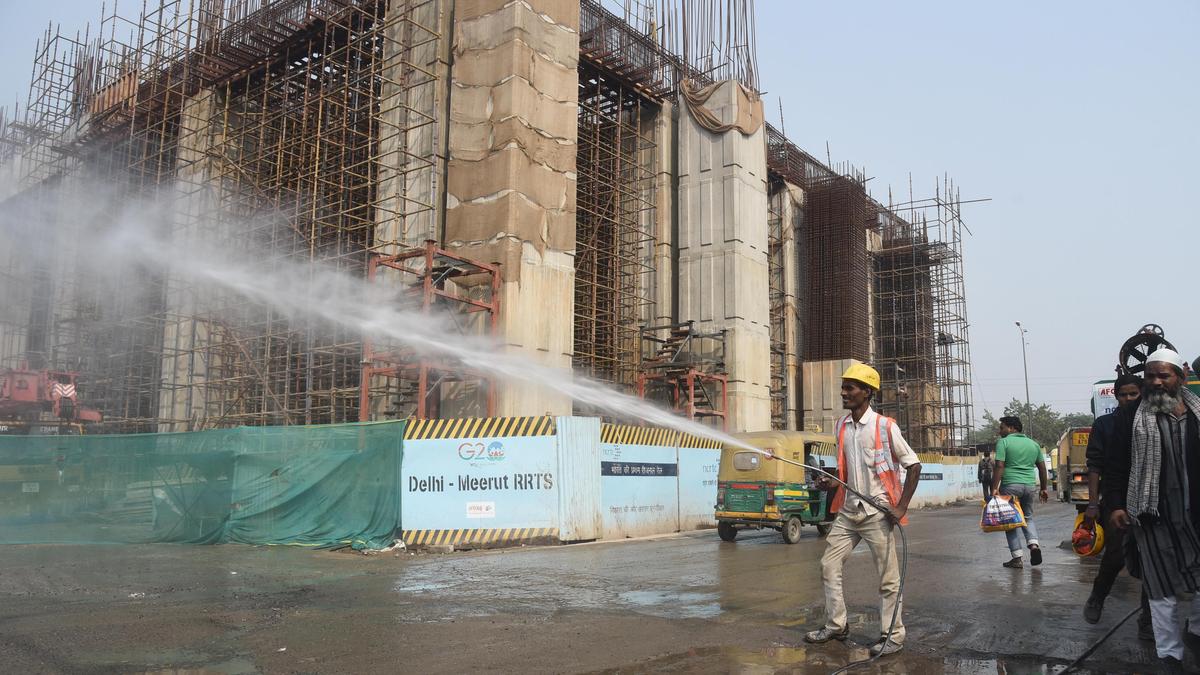
Companies such as DLF and Omaxe have highlighted the impact of construction bans triggered under Delhi-NCR’s pollution control framework, leading to project delays and rising costs. Some developers estimate losing one to one-and-a-half months of construction time annually due to pollution-related curbs.
Cement and infrastructure firms have similarly warned that smog-related shutdowns are affecting dispatches and project timelines.


MRF signs MoU with Tamil Nadu for a greenfield tyre manufacturing plant in Sivaganga, enhancing production and export opportunities.

The head of Alibaba Group’s Qwen artificial intelligence model division, Lin Junyang, said on Wednesday he would be stepping down from his role

India's services sector growth slowed in February amid rising costs and competition, despite a boost from international sales.

Sensex and Nifty plunge over 2% as West Asia crisis escalates, impacting investor sentiment and driving oil prices higher.

RBI fines BDCC Bank ₹2 lakh for violating loan disbursal norms, highlighting compliance issues over several years.

OpenAI is developing a new code-hosting platform to rival Microsoft’s GitHub, The Information reported on Tuesday, citing a person with knowledge of the project.

Indian Overseas Bank challenges ₹766 crore tax demand notice from the Income Tax Department related to AY 2015-16.

Escorts Kubota on Tuesday rolled out a tractor developed for the paddy-growing regions as the agriculture machinery and construction equipment maker sharpens focus on south India on its way to become a pan-India player.

The rise in oil prices is expected to increase current account deficit (CAD) of major crude-importing Asian economies, which include India, according to an initial expert commentary.

India has 25 days of crude oil reserves and 25 days each of petrol, diesel stock: Government sources
India has ample crude oil and fuel reserves for 25 days each, ensuring 50 days of overall sufficiency amidst global tensions.

Tata Group Chairman expresses hope that West Asia conflict won't disrupt supply chains, prioritizing employee safety amid geopolitical uncertainties.

PM Modi calls for increased investment and prioritization of research in manufacturing to leverage new free trade opportunities for India.

Elon Musk’s social media platform X and artificial intelligence startup xAI plan to repay in full about $17.5 billion in debt tied to the companies, Bloomberg News reported