Secured necessary adaptation rights: ‘Pippa’ makers on controversy surrounding Kazi Nazrul Islam’s song
The Hindu
The poet’s grandson and painter Kazi Anirban claimed that the family had given the makers permission to use the song but not to change the tunes and rhythm
The new rendition of ‘Karar oi louho kopat’ in Pippa is a sincere artistic interpretation and done after securing necessary adaptation rights, the film’s team said on Monday, days after AR Rahman’s version of the beloved Kazi Nazrul Islam poem attracted controversy for its alleged “distortion”.
The poet's grandson and painter Kazi Anirban claimed that the family had given the makers permission to use the song but not to change the tunes and rhythm.
In a statement, the team behind Pippa, produced by RSVP and Roy Kapur Films, said they have "deep respect" for the original composition, Islam and his immeasurable contribution to the "musical, political and social landscape of the Indian subcontinent". The album, they said, was created as a tribute to those behind the liberation of Bangladesh.
"In light of the current discourse surrounding the song 'Karar Oi Louho Kopat' the producers, director and music composer of the film Pippa wish to clarify that our rendition of the song is a sincere artistic interpretation, embarked upon only after securing the necessary adaptation rights from the estate of the Late Mr. Kazi Nazrul Islam," the statement read.
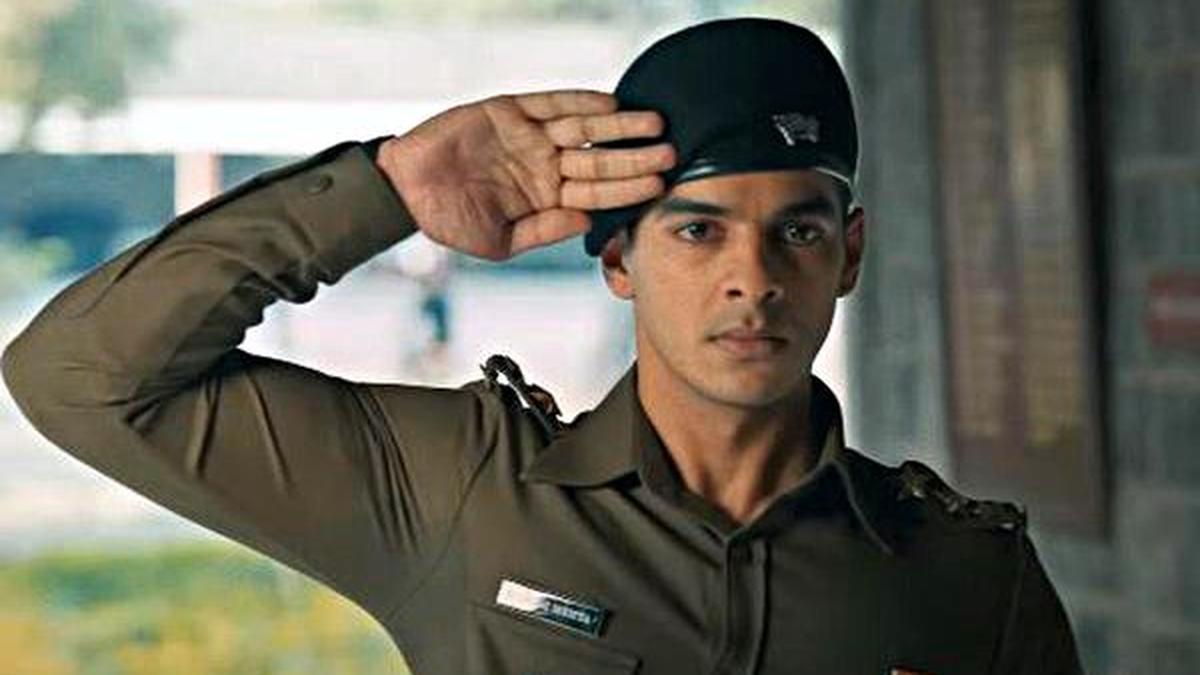
The film, starring Ishaan Khatter and Mrunal Thakur, is set during the 1971 India-Pakistan war and is directed by Raja Krishna Menon.
"We approached the making of this song by faithfully following both the letter and the spirit of the license agreement for the lyrics, as duly signed with Late Mrs. Kalyani Kazi and witnessed by Mr. Anirban Kazi. Our intent was to pay homage to the cultural significance of the song while adhering to the terms set forth in our agreement, which permitted us to use the lyrics with a new composition," it added.
Islam, popularly known as the 'rebel poet', was born in 1899 in present-day West Bengal's Paschim Bardhaman district. His songs, known as 'Nazrul geeti', are probably second in terms of popularity after those of Rabindranath Tagore in Bengal. He later became the national poet of Bangladesh. Islam died in 1976.


PM Modi emphasizes India's pursuit of diverse gas and crude oil sources amid the global energy crisis due to West Asia conflict.

Kerala BJP chief Rajeev Chandrasekhar challenges Congress to prove undisclosed assets allegations in court, dismissing them as distractions.

As per information by Minister of State for Civil Aviation Murlidhar Mohol to a question in the Rajya Sabha, ₹146.89 crore has been utilised under the UDAN scheme till October 31, 2025.

Supreme Court rules women officers in Armed Forces deserve equal opportunities, upholding their right to permanent commission and pension benefits.

Telangana government assures no fuel shortage; Hyderabad police commissioner urges citizens to avoid panic buying

Telangana government employees will receive 10-20% discounts on electric vehicles to promote eco-friendly transportation, announces Transport Minister.

Discover the engaging teaser of 'Pallichattambi,' a period drama starring Tovino Thomas, releasing on April 10.

SP P. Jagadeesh reviews night patrols in Anantapur to enhance security and public safety during Operation Night Safety.

DMK announces candidates for 13 seats in Puducherry elections, reserving one seat for ally VCK amid strategic alliances.

Delhi HC safeguards Sonakshi Sinha's personality rights, prohibiting unauthorised use of her image and attributes across platforms.

Mohanlal's 'Drishyam 3', directed by Jeethu Joseph, has been postponed to May 21, coinciding with his birthday. The film marks the franchise's final installment.

Family of custodial death victims demands harsh punishment for nine convicted policemen to prevent future abuses of power.

United Democratic Front's candidate list for the 2026 Kerala Assembly elections, aiming for a significant political comeback.