Researchers discover 2,500-year-old honey residue in ancient bronze jars
Fox News
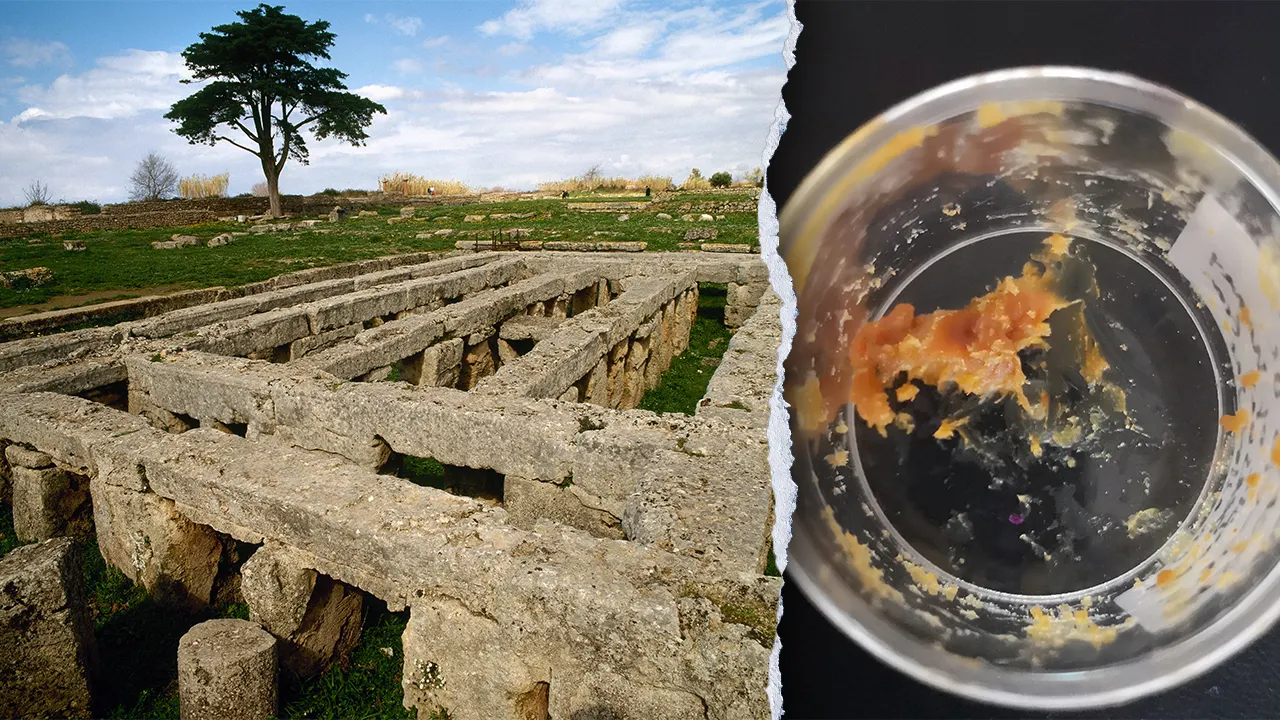
Scientists recently confirmed that a 2,500-year-old residue found in bronze jars at an ancient Greek settlement is actually honey, transformed into a waxy, acidic substance over millennia.
"After 2,500 years, almost all the original sugars have broken down [and been] eaten by microbes, so the residue isn't sweet anymore." "We hope our approach will be used to identify honey residues in other museum collections so we can learn more about ancient beekeeping and the role of honey in diet, medicine and ritual life." Andrea Margolis is a lifestyle writer for Fox News Digital and Fox Business. Readers can follow her on X at @andreamargs or send story tips to andrea.margolis@fox.com.
The residue was found in bronze jars at an underground shrine in Paestum, an ancient Greek settlement in modern-day Campania, Italy. The artifacts date back to the 6th century B.C.
The jars were first found by archaeologists in 1954, but the residue in them has eluded experts – until now.


Burger King plans a nationwide rollout of its Patty AI tool, which analyzes headset conversations to improve service and operations.

A quicksand warning is issued by National Park Service for Glen Canyon National Recreation Area in Arizona and Utah after hazardous areas are found near shorelines and drainages.

Pizza before tomatoes? Ancient Rome's version of America's favorite food looked nothing like today's
Ancient Rome pizza at Hungary restaurant features no tomatoes or mozzarella, using garum fish sauce and olive paste. Neverland Pizzeria's dish is limited-edition.

House China Committee Chairman John Moolenaar calls on NSF to pause $67 million research security initiative, citing concerns universities have ties to Chinese military institutions.

New research suggests muscle strength may be more important than aerobic exercise for longevity in women over 60, with surprising findings about health outcomes.

Airports advise travelers to arrive 3-4 hours early as the DHS shutdown creates severe delays. Website and app operations are paused, leaving travelers without updates.

Cannabis compounds CBD and CBG significantly reduced liver fat in Hebrew University research, offering potential treatment for metabolic dysfunction-associated steatotic liver disease.

Rep. Zoe Lofgren backed SJSU's lawsuit against Trump administration over alleged Title IX violations involving transgender volleyball player controversy.

Health Secretary Robert F. Kennedy Jr. has called out Starbucks and Dunkin' over high-sugar frozen coffee drinks as experts weigh in on medical risks and daily sugar limits.

SBA Administrator Kelly Loeffler announced an expanded policy on Friday banning foreign nationals from all Small Business Administration guaranteed loan programs, prioritizing American citizens.

A registered dietitian in Virginia recommends "Salmon Mondays" as a simple way to boost omega-3 intake. Research suggests many people fall short of recommended levels.

Firefighters may lose 10 years of life due to toxic exposure and stress. Experts share heart health, sleep and longevity tips to extend careers.

A newly announced discovery at Panama's El Caño site has revealed a 1,000-year-old tomb filled with gold artifacts, including chest plates and bracelets.