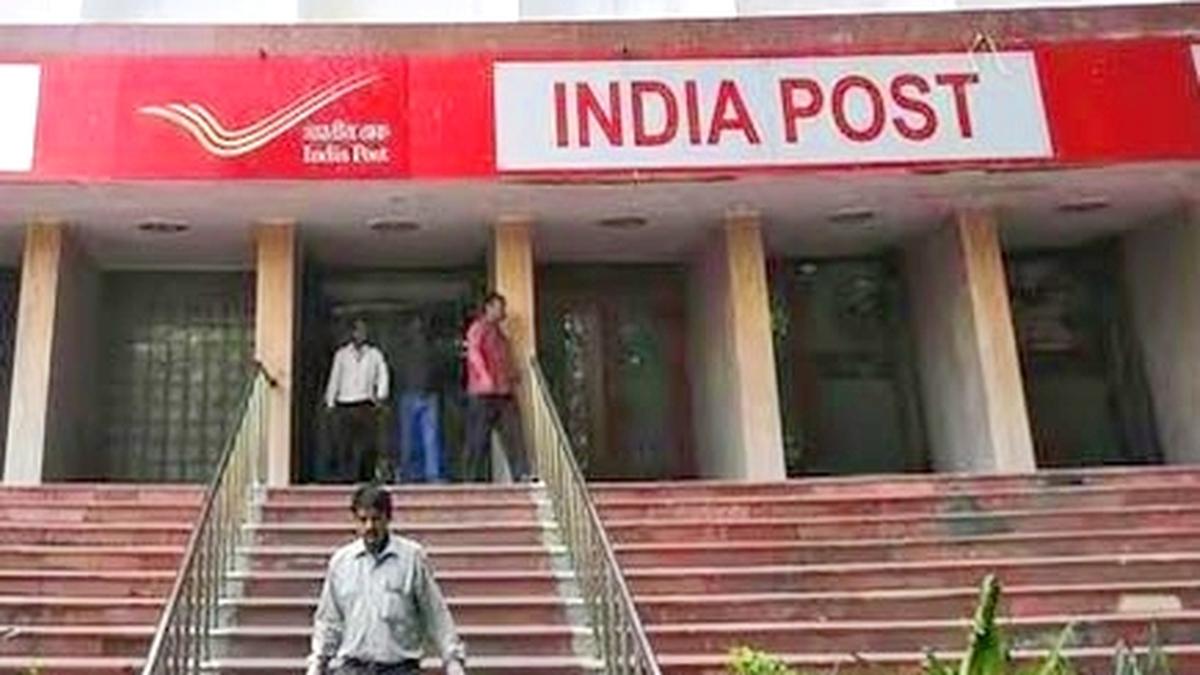
Orders on ONDC grow rapidly as India Post gears up to join in
The Hindu
Orders have grown rapidly, as ONDC’s architecture poses a looming threat to online retail and quick delivery apps
The Open Network for Digital Commerce (ONDC) is not meant to “to create a price war,” but to “help small enterprises to get” to a threshold in digital commerce, the network’s Chief Executive Officer Thampy Koshy told reporters on May 11. ONDC is a government-backed modular network for e-commerce, food and grocery delivery, and cabs. ONDC activity has grown dramatically — partly on the back of incentives it has provided to participants. India Post may soon join the network, which would bring one of the world’s largest logistics systems on board.
In January, Mr. Koshy said, “We had 800 merchants, fifty transactions a day, and twenty network participants.” Network participants are the term for tech firms that provide an app to access or sell through ONDC. “By March end, with mobility, retail and food delivery, we had 1,000 orders a day. By April end, we had 10,000 a day.” And at present, Mr. Koshy said, ONDC was clocking over 25,000 orders a day.
ONDC was launched to curb “potential rent seeking” behaviour from top e-commerce platforms in retail, food delivery and cab aggregation, and leave each part of the value chain, from cataloguing orders to actually delivering them, to different players. Having it all be done by one platform “there is inefficiency that’s created,” Mr. Koshy said.
Just like with the Unified Payments Interface (UPI), the payment technology with which ONDC is frequently compared, new participants in the network are receiving financial incentives — which some have passed on to customers in the form of significant discounts — to provide “handholding support”. The incentives are funded with financing that ONDC raised from banks.
The incentives are leading to ONDC growing at a pace comparable to the large food and e-commerce retail giants it is up against. On Wednesday, Minister of State for Communications Devusinh Chauhan announced that India Post would join ONDC, gradually shaping it as one of the government’s most closely supported pieces of Digital Public Infrastructure (DPI).
While ONDC’s architecture allows “network participants” to focus on whittling down the economics of their individual part of the e-commerce process, there is also the larger goal of reducing the power of the large players in the market, with food delivery players like Swiggy and Zomato most under threat. As the honeymoon period of financing rapid expansion and acquiring customers with well-subsidised discounts plays out this year, these players find themselves under pressure to cut costs themselves.
“Restaurants have also been pressurised in the sense that thirty to 35% of the commission stays with Zomato and Swiggy and only some of the rest is transferred to the restaurant,” Ritu Chhikara, who heads the Centre for Sustainability and Social Responsibility at BML Munjal University said. “The restaurant also has to make profits. So, they eventually increase the price of various items on the menu.”


U. Nirmala Rani, AIDWA leader and advocate, passes away at 60, leaving a legacy in women's rights and justice.

‘Serve society with honesty and sincerity’

Jagan attends Iftar in Vijayawada, promoting unity, harmony, and communal respect during the sacred month of Ramzan.

A Russian oil tanker diverts to India, boosting local refineries despite sanctions and geopolitical tensions.

Modi speaks to Kuwait Crown Prince; says safe, free navigation through Strait of Hormuz top priority
Modi discusses regional stability with Kuwait's Crown Prince, emphasizing safe navigation in the Strait of Hormuz as a priority.

Last-minute land acquisition notification for the Sabari rail project boosts hopes for affected landowners amid election timing concerns.

CPI plans statewide protests on March 24 in Andhra Pradesh, demanding land allocation and financial aid for the poor.

The actor, along with director Shashant Shah, speak about their upcoming series ‘Chiraiya’, Divya’s process of working on the dialect, Sushant’s approach to telling a story about women, and more

Sri Lanka's Minister Bimal Rathnayake announces support for Indian refugees, urging political sensitivity from Tamil Nadu and India.

51 couples take thebig plunge at Udaipur mass wedding event

India shows significant progress in reducing child mortality, despite global slowdowns, highlights a new UN report on child health.

Puducherry's upcoming elections test the NDA's governance model amid opposition rifts and promises of stability and welfare delivery.

A Russian oil tanker diverts to India, boosting local refineries despite sanctions and geopolitical tensions.