Oil, power, and politics of disruption
The Hindu
The closure of the Strait of Hormuz disrupts a vital artery of the global economy, triggering price increases and turmoil in energy markets; as supply shocks reshape the geopolitics of energy, countries like India, the U.S., and Russia recalibrate strategies amid shifting oil flows and rising dependence
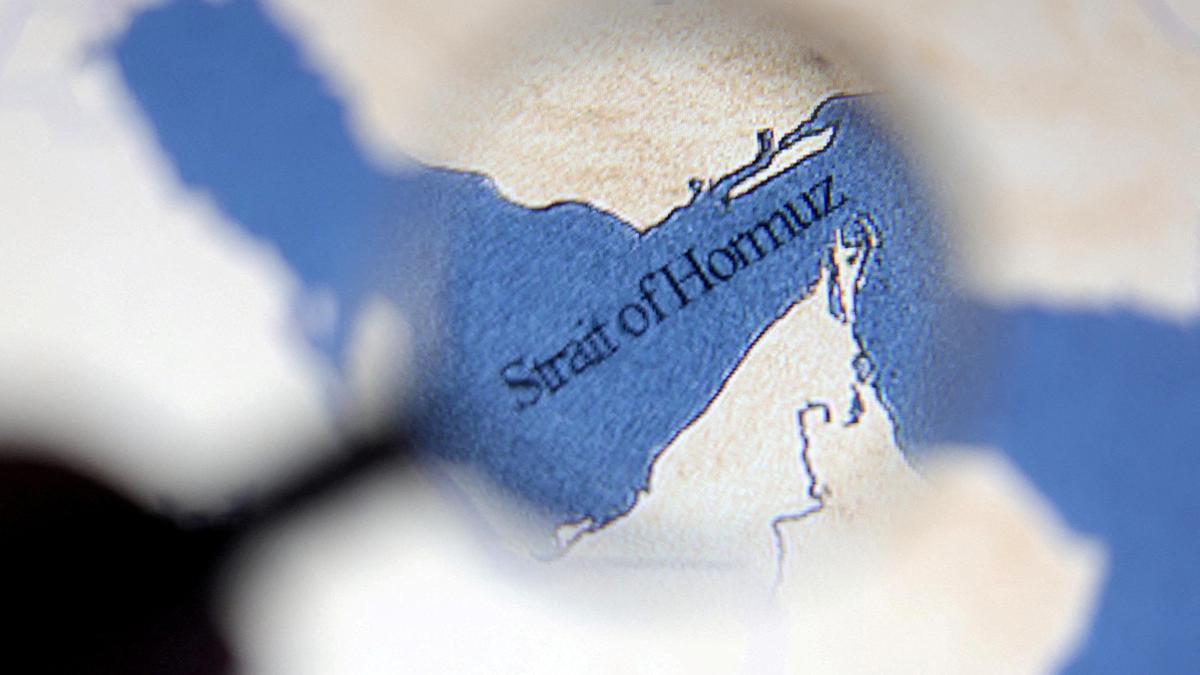
The blue waters of the Strait of Hormuz, connecting the Persian Gulf to the Arabian Sea, form a vital artery of the global economy. Through this narrow gateway — stretching just 33 km at some points — pass ships carrying nearly a fifth of the oil that is traded worldwide. After the U.S. and Israel launched a military campaign against Iran on February 28, Iran blocked ships passing through the Strait, leading to price increases and turmoil in energy markets.
Oil and natural gas account for a little over half of the global energy supply (with coal, renewables, and other sources accounting for the rest, according to IEA data for 2024). They fuel vehicles from trucks to aeroplanes, produce electricity and cooking gas, and provide critical raw materials for industries.
West Asian countries around the Persian Gulf, notably Saudi Arabia, the UAE, and Iran, are among the largest producers of crude oil and natural gas. At the same time, some of the largest energy consumers are in East and South Asia, particularly China, India, and Japan. Still, these countries have limited domestic oil reserves to power their growing economies (though China is a major natural gas producer) (Chart 1). They depend on crude and natural gas imports from West Asia, much of which passes through the Strait of Hormuz.
The concentration of energy reserves, especially oil, in a few regions has been the primary trigger for some of the long-standing and intense contests between global powers. Aside from the Persian Gulf countries, only a few nations — the U.S., Russia, Venezuela, and Canada — have large oil and natural gas reserves.
The U.S. has been a principal player in the geopolitics of energy, both a major producer and consumer. Given the gas-guzzling sectors driving its economy, the U.S. has an average energy supply per person that is 10 times that of India and 2.4 times that of China. The hunt for more energy has been one of the primary motives of the U.S. international policies.
Control over oil in West Asia shifted from large American and European firms to state-owned national oil companies since the 1950s. Oil prices increased sharply in the 1970s, with Arab members exerting greater influence within the Organization of the Petroleum Exporting Countries. The U.S. response has been twofold: it increased domestic production by drilling more shale oil, especially since the mid-2000s, making it the world’s largest oil producer, and it tried to mould the geopolitics of oil in its favour through strategic interventions, including the Gulf War (1990-91), the Iraq War (2003-11), recent action in Venezuela (2026), and the ongoing U.S.-Israel war with Iran.


U.S. detects unidentified drones over Fort McNair, prompting officials to consider relocating Rubio and Hegseth amid security concerns.

FBI probes whether ex-counterterrorism official Joe Kent leaked classified info amid ongoing DOJ investigations into Trump critics.

Democrats walked out of a Justice Department briefing on Epstein files, demanding Attorney General Bondi testify under oath.

Iran-Israel war: Follow live updates from The Hindu on the West Asia conflict on March 19, 2026

U.S. Intelligence warns that India-Pakistan relations pose nuclear conflict risks, despite recent de-escalation efforts by President Trump.

U.S. eases sanctions on Venezuela's oil, allowing sales to boost global supply amid rising prices during the Iran conflict.

U.S. considers troop deployments as Iran war escalates, evaluating options to secure oil passage and strengthen military operations.

Pakistan and Afghanistan agree to a temporary ceasefire for Eid celebrations amid escalating conflict and recent deadly strikes.

Iran threatens retaliation against Gulf energy facilities following U.S.-Israel strikes, escalating tensions in the region.

Iran arrests over 100 alleged monarchist and spy networks amid ongoing conflict, as authorities intensify crackdowns across the nation.

Indonesia arrests four military officers linked to an acid attack on activist Andrie Yunus, sparking calls for an independent investigation.

Sri Lanka's Minister Bimal Rathnayake announces support for Indian refugees, urging political sensitivity from Tamil Nadu and India.

Trump temporarily waives maritime law to lower energy costs amid rising gasoline prices from the Iran-Israel conflict.