Oil and Iran-U.S. war: Key takeaways in graphics
The Hindu
As the Iran-U.S. war extended past its first week, Brent crude oil reached a two-year high of $114 per barrel on the Chicago mercantile exchange. How can oil production and exports be affected in the war? Here are graphics to explain.
With no signs of the Iran-U.S. war stopping, key oil prices have surged since the war began. U.S. The increase was evident across the board, with U.S. oil crude futures, West Texas Intermediate prices and Brent crude oil prices all climbing.
As of March 9, the price per barrel of Brent crude, the international standard, touched $114, which is 23% higher than its closing price of $92.69 on Friday (March 6, 2026).
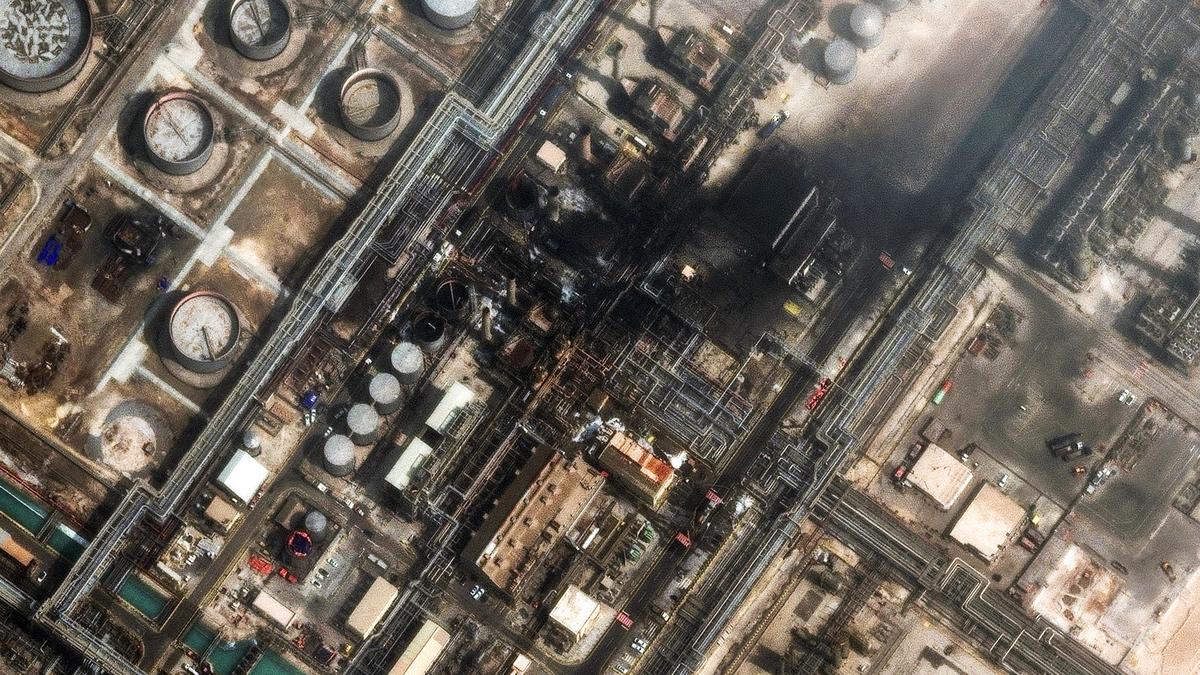
The Iran-U.S. war has extended into Saudi Arabia, Qatar, UAE, Bahrain, Lebanon and Kuwait. Initially Iran focused on strikes against U.S. bases in the region and Israel, but retaliatory strikes from the U.S. and other countries have included civilian spaces like a primary school in Iran, diplomatic areas like Embassies, a data centre and now oil infrastructure in Tehran.
The region plays a significant role in global oil production and price dynamics.
Following the war, several state oil companies in the Gulf countries have cut down on production, or declared a pause in oil contracts.


Russia-Ukraine peace talks are paused amid the Iran war, potentially pressuring Kyiv toward compromise, Kremlin confirms.

Hong Kong's deadly fire investigation reveals multiple failures causing the 2025 blaze that killed 168 and destroyed seven buildings.

Trump confirms Israel’s solo Iran gas field attack, warning Iran against targeting Qatar or facing U.S. retaliation.

U.S. detects unidentified drones over Fort McNair, prompting officials to consider relocating Rubio and Hegseth amid security concerns.

FBI probes whether ex-counterterrorism official Joe Kent leaked classified info amid ongoing DOJ investigations into Trump critics.

Democrats walked out of a Justice Department briefing on Epstein files, demanding Attorney General Bondi testify under oath.

Iran-Israel war: Follow live updates from The Hindu on the West Asia conflict on March 19, 2026

U.S. Intelligence warns that India-Pakistan relations pose nuclear conflict risks, despite recent de-escalation efforts by President Trump.

U.S. eases sanctions on Venezuela's oil, allowing sales to boost global supply amid rising prices during the Iran conflict.

U.S. considers troop deployments as Iran war escalates, evaluating options to secure oil passage and strengthen military operations.

Pakistan and Afghanistan agree to a temporary ceasefire for Eid celebrations amid escalating conflict and recent deadly strikes.

Iran threatens retaliation against Gulf energy facilities following U.S.-Israel strikes, escalating tensions in the region.

Iran arrests over 100 alleged monarchist and spy networks amid ongoing conflict, as authorities intensify crackdowns across the nation.