Of cyclones, coal dust and commutes: A meteorologist’s memoir on Madras Premium
The Hindu
Early memories of Chennai in the 1970s, from pollution to cyclones, and settling in different neighborhoods over the years.
“My earliest memories of Chennai are when I used to cycle around places in north Madras as a schoolboy in the early 1970s. I later settled down in the city when I was deputed as the senior observer in the Regional Meteorological Centre in 1984.
During the April thunderstorms in 1970s, I observed black-coloured rainwater seeping through the roofs of houses in Vyasarpadi and Basin Bridge due to coal dust particles that had accumulated on the houses. I later realised easterly winds brought them from Basin Bridge thermal power station. The areas were relieved of the pollution after 1985 when the plant was submerged in floods and replaced by Gas Turbine power station in 1996.
When I joined RMC, I initially stayed at a friend’s house in Thiru Nagar, Valasaravakkam. MTC buses were the only transport connectivity to travel across the city. Arcot Road used to be a busy stretch in 1984 too. Bus routes like 17 C (Porur - Broadway) used to be packed as early as 8.30 a.m. and I used to deboard with my shirt all wrinkled. Autorickshaws used to charge up to ₹150 to reach places like Thiru Nagar.
In a few weeks, I shifted to Triplicane, dreading the chaotic bus travel from Valasaravakkam. Triplicane was a bachelors’ paradise with plenty of options for accommodation and mess. The public and lending libraries in Big Street were my sanctuary. I used to spend evening hours reading my favourite authors.
Drawn by childhood memories and convenient bus service to Nungambakkam every five minutes, I settled in Perambur in the late 1980s. Perambur bus terminus has not undergone much change since then.
I vividly remember 1984 Sriharikota cyclone that wreaked havoc in Chennai and Andhra Pradesh. Incessant rains since the evening hours led to flooding in the city and I had to wade through waist deep water for about three km through Perambur Barracks Road, B and C Mills, Jamalia to reach home in Perambur. During monsoon, when most streets in Perambur were inundated, I used to carry spare clothes to change enroute in a friend’s house, before reaching the office.
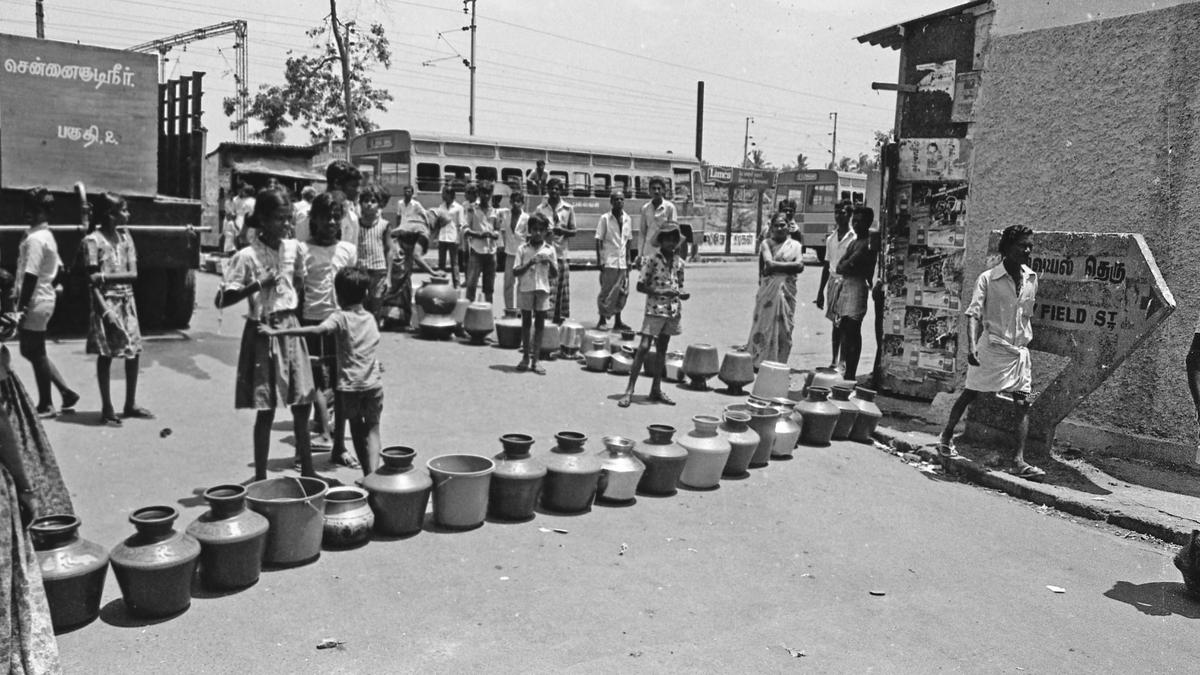
The area presented a stark contrast during summers with an acute water shortage. I used to walk for one km to reach a handpump streets away, and often sleep on footpaths, using sack as a makeshift bedspread to fetch water. Pots would line up for nearly half a km, waiting until 3 a.m. Now, the locality has come a long way from its days of water scarcity.


Shorts News:‘Over 2.44 lakh Indians returned from Gulf so far’

Oppo on Tuesday launched the new K series smartphone in India for the mid segment buyers, the new Oppo K15 5G, featuring IP66, IP68 and IP69 ratings for dust, water immersion, and high-pressure hot water jets resistance

NCTP members oppose amendments to the Transgender Persons Act, citing lack of consultation and potential harm to transgender rights.

AIADMK MP C.Ve. Shanmugam faces backlash for derogatory comments about a female actor during an NDA protest in Villupuram.

Urea shortage disrupts farming in Tiruchi as demand spikes during critical sowing period, affecting supply at private outlets.

While granting bail to the tantri in February, the Vigilance Court had observed that the SIT failed to produce substantive evidence to support the allegations levelled against him

Gujarat's panel submits UCC report to CM Patel, paving the way for a draft bill in the ongoing Budget session.

Edappadi Palaniswami criticises the DMK government for failing to file an FIR on cash-for-jobs allegations, seeking High Court intervention.

Cookbook author Sabita Radhakrishna gives us tips on utilizing smart kitchen gadgets you probably already own to make easy meals without using LPG, from an induction stove to her trusty instant pot

Madras High Court postpones PMK intra-party dispute hearing until after Tamil Nadu and Puducherry elections conclude, on May 10.

TMC to contest 291 seats in Bengal polls, confident of winning over 226, announces Mamata Banerjee amid fierce competition.

Legendary screenwriter Salim Khan, the creative mind behind Bollywood classics like ‘Sholay’ and ‘Deewar’, is back home after a health scare that had fans worried

Election Commission deploys observers for Tamil Nadu Assembly poll to ensure free and fair elections in 234 constituencies.