Navigating the physical and mental toll of cold waves on community well-being Premium
The Hindu
From the physical strain that plummeting temperatures cause to the subtle yet grievous blows to mental resilience, cold waves impact all facets of human well-being.
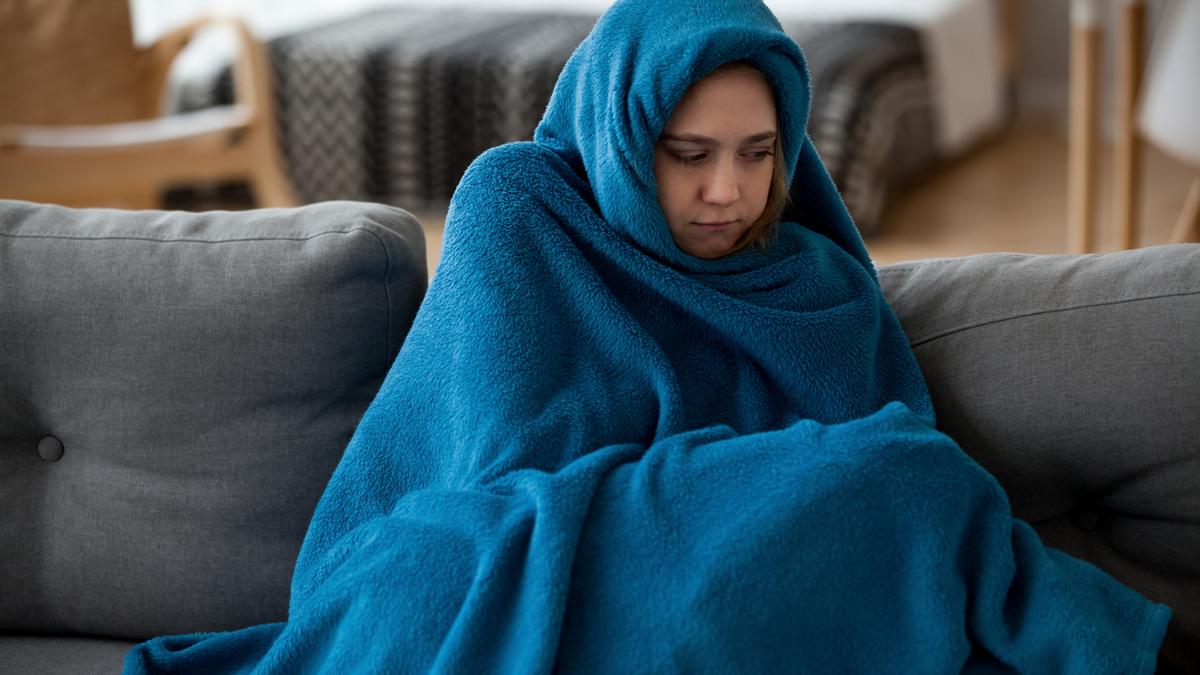
As winter tightens its grip on various regions, an unspoken yet pervasive menace emerges — cold waves that not only lead to bone-chilling temperatures but also cast a profound shadow on community well-being. From the physical strain that plummeting temperatures cause to the subtle yet grievous blows to mental resilience, cold waves impact all facets of human well-being.
(For top health news of the day, subscribe to our newsletter Health Matters)
With temperatures hitting record lows, communities grapple with a spectrum of physical health challenges. Prolonged exposure to extreme cold can lead to hypothermia, a condition where the body loses heat faster than it can generate it, resulting in shivering, confusion, and potentially life-threatening consequences. Respiratory issues come to a head as cold air irritates the airways, worsening conditions like asthma and bronchitis. Kiran Madala, Head of Critical Care at Government Medical College Nizamabad, highlights the pronounced struggle for breath, especially for those with pre-existing respiratory conditions, making winter an especially challenging time.
Cardiovascular health is not exempt, as the heart works overtime to maintain a stable internal temperature. Elevated blood pressure and heart rate become commonplace, posing additional risks for those with underlying cardiovascular issues. The convergence of cold waves and flu seasons heightens risks, putting communities on high alert, added Dr. Kiran.
The impact isn’t solely physical; the psychological toll is substantial. Reduced social interaction during cold spells affects psychological well-being. Seasonal Affective Disorder (SAD) can set in when low visibility and weather-related mobility restrictions lead to a lack of sunlight and limited movement. Bona Colaco, a clinical psychologist based in Hyderabad, notes the importance of human connection for mental health, stating that the uncertainty of weather exacerbates mood fluctuations during periods of reduced sunlight.
She further added that as much as survival needs to encompass food, water, and shelter, fostering connections with others is equally essential for well-being during cold-wave conditions. Sleep disruptions further compound the mental toll, as the discomfort of cold temperatures interferes with achieving restful sleep. The cumulative effects of physical discomfort and mental strain create a challenging environment for individuals during the winter season.
To cope with these challenges, psychologists recommend proactive measures. Engaging in activities that bring comfort and seeking social interaction can be beneficial. Adjusting daily routines, such as scheduling physical exercises during the warmer evenings, can help mitigate the impact of colder mornings.


Set between the Siwalik hills and the plains, Butwal offers travellers a mix of regional cuisine, pilgrimage trails to Lumbini and the comfort of Hyatt’s new hospitality landmark

Explore 2026's wallpaper trends in India, highlighting botanicals and handmade designs that enhance modern homes with nature-inspired aesthetics.

Mercedes-Benz CLA 250+ with EQ Technology review: design, performance, range and features explained. Discover how the new electric CLA combines advanced AI, long range, fast charging and futuristic styling for the next generation of luxury EVs.

AI tool for sparrow conservation

BTS’s comeback with ‘Arirang’ marks a major global music event. When does the album release, and where can you watch their concert live stream? We have all the details

The 2026 U.S. cholesterol guidelines urge starting screening and treatment at 30 to prevent cardiovascular disease effectively.

Olam Festival 2026 in Thiruvananthapuram returns March 27-29 with 120+ vendors, music, art, and cultural zones.

A few storytellers in Thiruvananthapuram share their journeys, challenges, and evolving methods on World Storytelling Day, inspiring young minds.

76-year-old Kurian Jacob from Kerala triumphs with seven medals, including five golds, at the Open Masters Games in Abu Dhabi.

Explore the nature of the human mind as an emergent property of brain activity and complex neural interactions.

CERN's Large Hadron Collider discovers the Xi-cc-plus particle, enhancing understanding of quantum mechanics and baryon behavior.

Vibha Batra’s latest book, Spotless (Hachette India) is a novel in verse for young adults

In its first edition, the Madras Art Salon spotlights the works of journalist and artist Narayan Lakshman at The Botanical Club, a social space in the British Deputy High Commission, Chennai