Mucus v. Phlegm: What’s The Difference?
HuffPost
Doctors break down exactly what these two terms mean and what you should know about them.
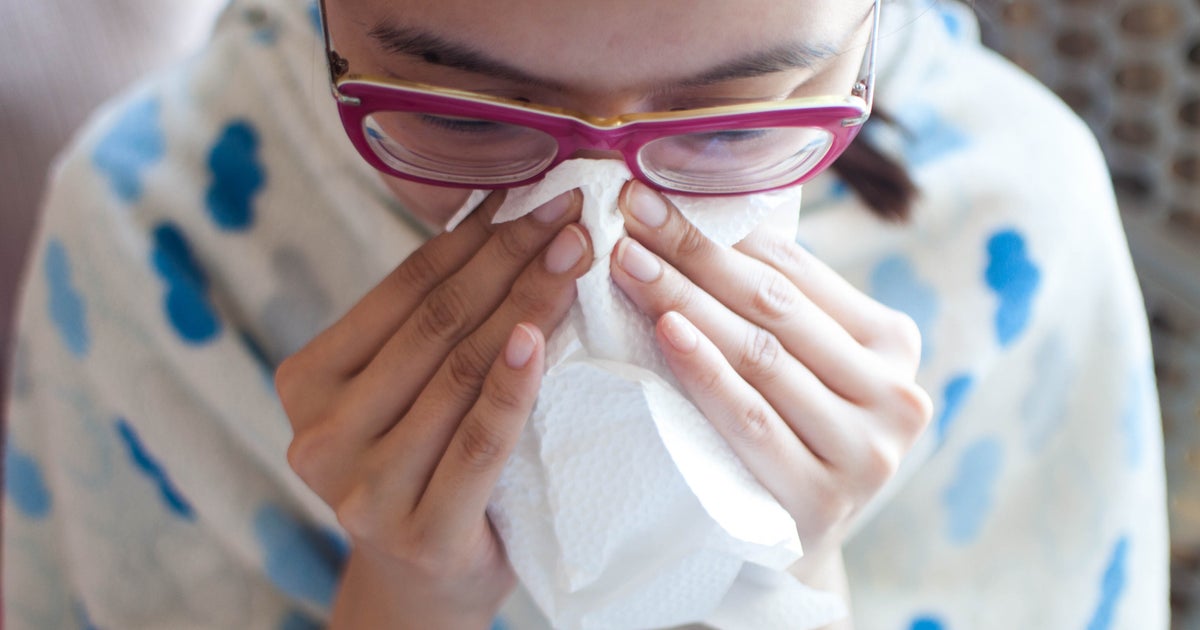
Most people are all too familiar with the icky, uncomfortable feeling of having mucus build up in the nasal passageways while suffering through a cold or bad allergy flare-up.
Or is it phlegm, rather than mucus? What exactly is the difference between these two words? Do they describe the same slimy annoyance or separate substances? Below, experts break it down.
What is mucus?
“Mucus is a slippery, gel-like substance your body naturally produces to keep your nose, throat, lungs and other parts of your respiratory system moist and protected,” Dr. Anitha Srinivasan, chief medical officer at NYC Health + Hospitals/Metropolitan, told HuffPost. “It traps dust, germs and other particles so they don’t irritate your airways or cause infection.”
Your body constantly produces mucus as part of your everyday functioning immune system.


If you and your friends still keep tabs on that girl from high school, this is for you.

These lazy (but legit) meals are homemade as hell, and much more satisfying than takeout.

You'll need a portable phone charger, compact backpack and some first aid before you pack up and go on a trip outside the country.

With TSA officers working without pay and spring break travel ramping up, experts offer tips to reduce stress and avoid missing flights.

This stowaway truly was sly as a fox.

Talking to friends about your feelings and frustrations can be healthy — but experts warn you should look out for a few damaging traps.

There's good news and there's bad news. This will help you make some sense of it.

If you have carpets or rugs, sorry: They're even dirtier than you think.

A recent study found the most commonly reported symptoms of perimenopause had nothing to do with hot flashes or weight gain.

Alleviate post-workout soreness with these expert-recommended tools.

Experts, including the U.S. Labor Department, have been warning about this moment since Trump took office.

This time of year is prime season for these fast-spreading illnesses.

Chinese medicine might have the answer to this common bedroom discomfort.