Morning Digest | PM Modi reviews preparedness for heatwave conditions; CSDS Lokniti Survey: remarkable support for religious pluralism, and more
The Hindu
The Hindu Morning Digest gives a select list of stories to start the day. Read the top news today on April 12, 2024
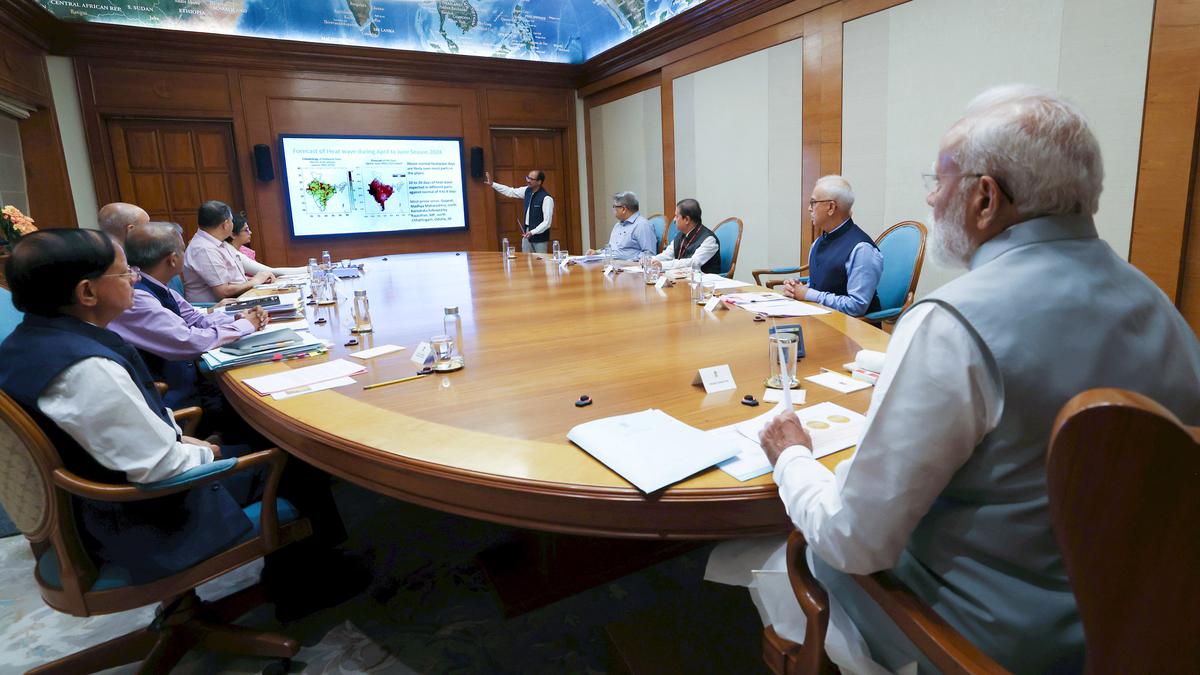
PM Modi chairs meet to review preparedness for heat wave conditions
Prime Minister Narendra Modi on Thursday reviewed India’s heat preparedness plans with senior officials on Thursday. The India Meteorological Department earlier this month had forecast summer temperatures in most parts of the country to be “above normal”, particularly in Central India and western peninsular India.
PM Modi’s comments on China ‘highly significant’, denote readiness for post-poll re-engagement, say experts
Prime Minister Narendra Modi’s comments about tensions at the Line of Actual Control (LAC) are “highly significant”, according to Indian foreign affairs experts. China’s Ministry of Foreign Affairs (MFA) also reacted to his remarks on Thursday, calling for India to work with China to “put the bilateral relations forward on a sound and stable track”.
CSDS-Lokniti 2024 pre-poll survey | Despite the economy, how is the BJP sitting pretty?
Reports based on the pre-poll survey of the Lokniti-Centre for the Study of Developing Societies (CSDS), published in these pages on April 11, focused on the factors that had the potential to work in favour of the Opposition in the Lok Sabha elections. They indicated the possible chinks in the BJP’s armour. Popular disapproval of the economic situation should be cause for worry for the BJP. However, the tenor of its rhetoric indicates that the BJP is confident of retaining its electoral ascendance. What makes the party feel so confident?
O.J. Simpson, football star turned celebrity murder defendant, dead at 76


NTSB investigates a near-collision between Alaska Airlines and FedEx jets at Newark, raising safety concerns in air traffic control.

Vietnam accelerates its shift to ethanol fuel as rising energy prices from the Iran war impact its economy.

Teenagers sue Musk's xAI, alleging its image-generator created explicit images of them as minors, sparking concerns over AI safety.

Shorts News:Watch: Netanyahu: Israel ‘acted alone’ in Iranian gas field attack

Indonesian billionaire Michael Bambang Hartono, co-founder of Djarum Group, has died at 86, leaving a significant legacy.

European nations, Japan, and Canada unite to ensure safe passage through the Strait of Hormuz and stabilize energy markets.

Some of the estimated 20 billion yuan ($2.9 billion) worth of equipment, including screen-printing production lines, will require export approval from Chinese regulators, according to the people. It wasn't immediately clear how much of the equipment would require approval or how long it would take.

Three men, including a Super Micro VP, charged with smuggling U.S. AI technology to China, threatening national security.

Trump compares U.S. strikes on Iran to Pearl Harbor in meeting with Japan's PM, highlighting the element of surprise.

Iran-Israel war: Follow the latest updates from The Hindu on the West Asia conflict on March 20, 2026

The closure of the Strait of Hormuz disrupts a vital artery of the global economy, triggering price increases and turmoil in energy markets; as supply shocks reshape the geopolitics of energy, countries like India, the U.S., and Russia recalibrate strategies amid shifting oil flows and rising dependence

EU lawmakers advance U.S. trade deal legislation, overcoming delays and adding safeguards amid concerns over compliance from the Trump administration.

Pro-Iran Iraqi group pauses U.S. embassy attacks for five days, imposing conditions amid ongoing regional tensions and strikes.