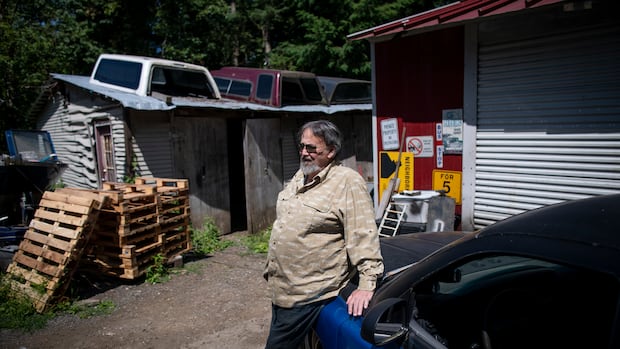
Man billed $1,500 for vehicle he didn't own, insurer says he still has to pay
CBC
When Darrell Nash sold his used SUV last spring, he thought the deal was done.
After all, the 66-year-old retired truck driver who lives near Langley, B.C., is a self-described "car guy" who says he has plenty of experience buying and selling vehicles.
A couple of months later, Nash says he was blindsided by a $1,500 towing and storage bill for a vehicle he no longer owned, thanks to what he calls a "terrifying loophole in how vehicle transfers are handled."
"It's a problem," Nash told Go Public. "A very strange situation … I didn't know what to do."
While Nash was in hospital recovering from open heart surgery in March, his grandson, with permission, sold the family's 2004 Acura MDX to a stranger.
It wasn't worth much. The aging vehicle had more than 300,000 kilometres on it and mechanical issues, so they sold it for $500 cash. The buyer filled out the proper transfer forms, brought his own plates and drove away.
"Two adult people made a deal, shook, signed papers and transferred money … that should be the end of it … but it doesn't seem to be that way," Nash said.
About three months after the sale, the RCMP called. The vehicle had been found abandoned about 35 kilometres away, uninsured and still registered in Nash's name.
"I got a call saying that this vehicle was in Surrey on the side of a road with no plates on it," Nash told Go Public.
"And I said: 'Oh, I sold that car a couple of months ago and I have the paperwork for it.' And he goes: 'Oh then you're fine.'"
But he wasn't.
A couple of weeks after that call from police, Nash opened a letter from a towing company demanding payment. Because the buyer never registered the vehicle, legally it still belonged to Nash.
“The tow truck company just pretty much said that ‘Well, we’ll just send it to collections,’” Nash said, adding, “'and you’ll end up paying it because it’ll ruin your credit.'”
Experts say Nash’s situation could happen to almost anyone who sells a vehicle in most of Canada.


P.E.I. Progressive Conservative MLA and cabinet minister Mark McLane has died, with Premier Rob Lantz paying tribute to his colleague as someone who could always be counted upon.

Whitehorse city council is considering a proposal to study 14 lots throughout the city for housing development.

In the closing days of the NDP leadership race, Avi Lewis's past activism has resurfaced. But the front-runner's campaign is standing by his past work and a decade-old vision that's been both criticized within the New Democrats' ranks and weaponized by their opponents.

Some rural municipalities want the province to know ambulance response times and basic care in their communities are not meeting the mark.

The sighting of a sniper on Saturday during St. Patrick’s Day celebrations in Waterloo was met with fear and shock by some partygoers, but one policing expert says this was a proactive measure designed to keep the crowd safe.

A 25-year old Prince Edward Island man has been sentenced to six months in jail for firearms offences.

Closing schools, stalled housing starts — not common headlines in Alberta's booming cities.

Two MLAs and the Ka'a'gee Tu First Nation chief say they welcome the territory’s new trespassing legislation because they believe it will help address concerns about uninvited guests intruding in people’s homes and refusing to leave.

U.S. President Donald Trump is struggling to persuade other nations to help protect commercial shipping through the Strait of Hormuz — a development that analysts say is partly the result of treating allies with contempt since returning to the White House last year.

The actions of an Alberta judge who lost his temper and briefly jailed a defence lawyer in the middle of a trial were “unacceptable,” ruled the Judicial Inquiry Board, which recommended a 30-day suspension without pay for Justice Gordon Yake.

Irish-born chef Liam Brannigan says there are four words he loves to hear about the food he serves as he drives his food truck around southwestern Ontario.

Last spring, the Newfoundland and Labrador government announced a loan guarantee program for restaurants — but so far, businesses haven't tapped into it.

Several organizations and groups in Greater Sudbury, Ont. remain closed or operating under a modified schedule after a major storm hit the region Sunday night.