MAGA and progressives unite to push back on big AI
NBC News
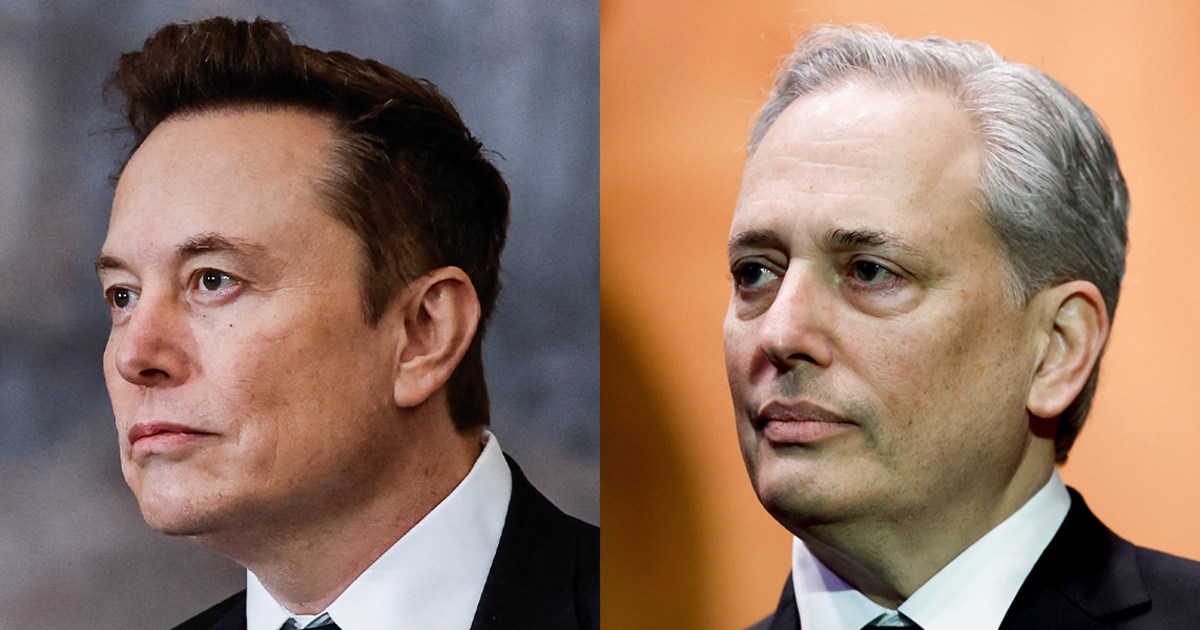
The organization Humans First, which hosts small group meetings, has gotten attention from Elon Musk and White House AI Czar David Sacks.
In a musty, multipurpose auditorium at the top of a winding staircase, close to 75 New Yorkers of many political stripes, from MAGA conservatives to progressive environmentalists, gathered Tuesday night to share their worries about the concentrated wealth and power steering today’s rapid AI development.
“Artificial intelligence is not a problem of the future. It’s a source of power right now, to do great good and to do great harm,” proclaimed Jeremy Ornstein, one of the organizers, at the start of the meeting. “Billionaires will lay their claim to AI and say it shouldn’t be in public control, and tyrants will lay their claim to AI and deny our fundamental freedoms.”
“But there’s another opportunity here. We the people, whoever we are, will lay our own claim to this technology,” Ornstein said, “and carve a path that protects people.”“That’s our movement,” he said.
The event, held at St. Michael’s Church in Manhattan and advertised online, was the latest in a series of nationwide events held by Humans First, a group that aims to become a grassroots movement giving voice to the growing number of Americans wary of the fast-moving AI industry. Its current flagship campaign focuses on getting politicians to reject financial contributions from major AI companies and their venture capital backers.
The group’s pitch — that AI should be subject to more democratic control and less “big money” influence — is already colliding with a broader, increasingly ideological fight over AI regulation. That clash surfaced online this week when White House AI czar and venture capitalist David Sacks shared a critical essay about Humans First and Elon Musk echoed it, revealing how even a nascent group hosting small gatherings can become a new front in the AI power struggle.


Utah’s measles outbreak is speeding up as it spills into the eighth month, getting so bad that some local health officials have turned to talk radio to get the message about vaccination.

In closing arguments for the first social media addiction trial to make tech giants face a jury, the plaintiff's lawyer lambasted social platforms.

NASA plans to launch four astronauts on a long-awaited trip around the moon as early as April 1, the agency announced.

The Big 12 Conference is ditching its slippery new glass floor for a hardwood court for the final two days of the tournament.

A defunct NASA satellite that launched 14 years ago to study Earth’s radiation belts is expected to crash back to the planet on Tuesday

A manufacturing problem in millions of Abbott glucose sensors for diabetes patients has been tied to at least seven deaths and hundreds of injuries worldwide.

Russia is “engaged in a large-scale global attempt” to take over Signal and WhatsApp accounts, two Dutch intelligence agencies said Monday.

Although Obamacare sign-ups have fallen significantly this year over skyrocketing monthly premiums, Dr. Mehmet Oz believes enrollment is still too high.

NEW YORK — As a man wearing a neon-blue jellyfish hat fought off draping tentacles to scroll through his phone and find the latest message from his personal AI assistant, three people wearing Pegasus wings flitted through a sweaty Manhattan apartment-turned-ballroom trying to recruit users for their latest AI solution.“It’s getting hot, and the lobster is getting warm,” said Michael Galpert, one of the hosts of the event, encouraging the thousand-plus crowd to settle down so the evening’s presentations could begin.

Two marsupial species thought long extinct, until now known only from fossils, were found alive in New Guinea through a collaboration of scientists, indigenous communities and citizen scientists

The Food and Drug Administration’s vaccine chief, Dr. Vinay Prasad, will depart the agency next month, an FDA spokesperson said.

Anthropic said Thursday that the Defense Department has designated it a threat to national security, a striking move that bans it from doing business with the U.S. military and could send shock waves through America’s AI industry

The bill would create a national weather safety board to investigate deadly disasters and recommend changes for the future. It would be styled after the National Transportation Safety Board.