LCBO refuses to say what U.S. liquor is in its cellar — citing 'cabinet confidence'
CBC
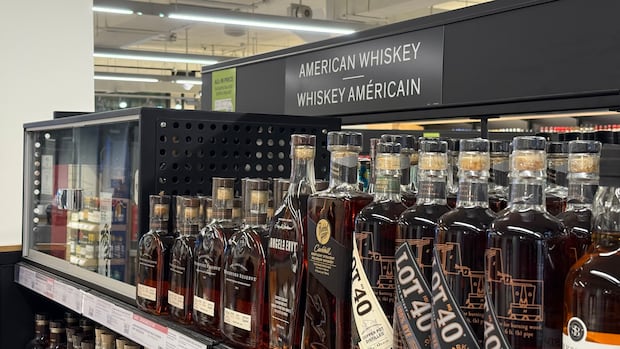
The Ontario government is aggressively withholding key details about its large stockpile of American alcohol products, valued at approximately $79.1 million at cost, that were pulled from store shelves as an act of retaliation in the ongoing Canada-U.S. trade dispute.
In August, CBC News filed a freedom-of-information request to the Liquor Control Board of Ontario (LCBO), seeking the fate, size and disposal plans for U.S. alcohol products removed in March. The LCBO took 64 days to respond — 34 days longer than the 30-day limit allowed by law.
When the documents were finally released, they spanned 50 pages, but were heavily redacted. Most of the information about how much inventory is at risk of expiring, how much has already been destroyed and the total cost to taxpayers remains hidden.
The LCBO's secrecy stands in contrast to provincial liquor authorities in Quebec, New Brunswick and Nova Scotia, where details about the fate of their U.S. liquor stockpiles have been released to the public.
Among the few details contained in the LCBO documents was the estimated $2.9-million inventory provision in its 2024-25 financial statements as an "early assessment of expiring product." That means the Crown corporation put aside that amount to cover expected losses from products it believed would expire or otherwise lose value before they could be sold.
However, the underlying data that would allow the public to independently verify the estimate or understand the scale of potential waste fell under "cabinet confidence."
James Turk, a researcher at Toronto Metropolitan University, says cabinet confidence is meant to protect internal discussions among ministers as they debate and develop policy — so they can explore ideas freely without fear of public scrutiny.
"To claim that what their inventory of American wine and liquor is a 'cabinet confidence' is bizarre and outrageous," said Turk, who is an expert on censorship, restricted access to information and government transparency.
He says the principle is meant to allow ministers to have open, "blue-sky" discussions about policy options. Once a decision is made, it is no longer supposed to be confidential.
What's different in the case of the information withheld by the LCBO, Turk says, is that it includes routine operational information, such as the amount of alcohol in warehouses or the inventory removed from store shelves.
He says it's a clear misuse of the concept because inventory details aren't part of deliberations. That is factual information, he says, and he doesn't believe there is a legitimate reason to claim it is confidential.
"They have no competitors," he said. "In Ontario, they have exclusive rights to booze. I mean, it's just ludicrous."
Turk characterized the LCBO’s resistance as part of a broader trend in the provincial government.
He highlighted the Ford government's prior refusal in 2018 to release the premier's mandate letters for his ministers, which outline annual priorities.


In the closing days of the NDP leadership race, Avi Lewis's past activism has resurfaced. But the front-runner's campaign is standing by his past work and a decade-old vision that's been both criticized within the New Democrats' ranks and weaponized by their opponents.

Some rural municipalities want the province to know ambulance response times and basic care in their communities are not meeting the mark.

The sighting of a sniper on Saturday during St. Patrick’s Day celebrations in Waterloo was met with fear and shock by some partygoers, but one policing expert says this was a proactive measure designed to keep the crowd safe.

A 25-year old Prince Edward Island man has been sentenced to six months in jail for firearms offences.

Closing schools, stalled housing starts — not common headlines in Alberta's booming cities.

Two MLAs and the Ka'a'gee Tu First Nation chief say they welcome the territory’s new trespassing legislation because they believe it will help address concerns about uninvited guests intruding in people’s homes and refusing to leave.

U.S. President Donald Trump is struggling to persuade other nations to help protect commercial shipping through the Strait of Hormuz — a development that analysts say is partly the result of treating allies with contempt since returning to the White House last year.

The actions of an Alberta judge who lost his temper and briefly jailed a defence lawyer in the middle of a trial were “unacceptable,” ruled the Judicial Inquiry Board, which recommended a 30-day suspension without pay for Justice Gordon Yake.

Irish-born chef Liam Brannigan says there are four words he loves to hear about the food he serves as he drives his food truck around southwestern Ontario.

Last spring, the Newfoundland and Labrador government announced a loan guarantee program for restaurants — but so far, businesses haven't tapped into it.

Several organizations and groups in Greater Sudbury, Ont. remain closed or operating under a modified schedule after a major storm hit the region Sunday night.

As Halifax scraps plans for a sobering centre, staff at similar facilities across Canada say they’re a crucial part of the continuum of care needed to address homelessness and addiction.

New Brunswick will table its latest budget Tuesday after months of warnings from Premier Susan Holt that spending in some areas will have to come down.