Late to the platePremium
The Hindu
Gender Agenda newsletter: Late to the plate
During my first week in Mumbai three years ago, my cook walked into the house asking, “Aaj kya banau (What shall I make today)?” As I rummaged through the vegetables in the fridge, she made up her mind herself, declaring, “Aloo banati hoon; Bhaiyya ko bahut pasand hai (I’ll make potatoes; Bhaiyya loves it).” This continued for days, and my husband and I ended up eating several kilos of aloo and paneer — his favourites. One day, when I could no longer take it, I snapped. “Ek baar tho pooch lo ki mujhe kya pasand hai (Ask me at least once what I’d like),” I said to her. She laughed.
In Kiran Rao’s Laapataa Ladies (2023), when Jaya asks Yashoda why she stopped making the lotus stem stir-fry that she loved eating at her parents’ house, Yashoda says it is because her husband and son don’t touch it. “You like it. Make it for yourself,” Jaya says. Yashoda laughs, much in the way my cook did. “Since when do women make what they like eating,” she asks.
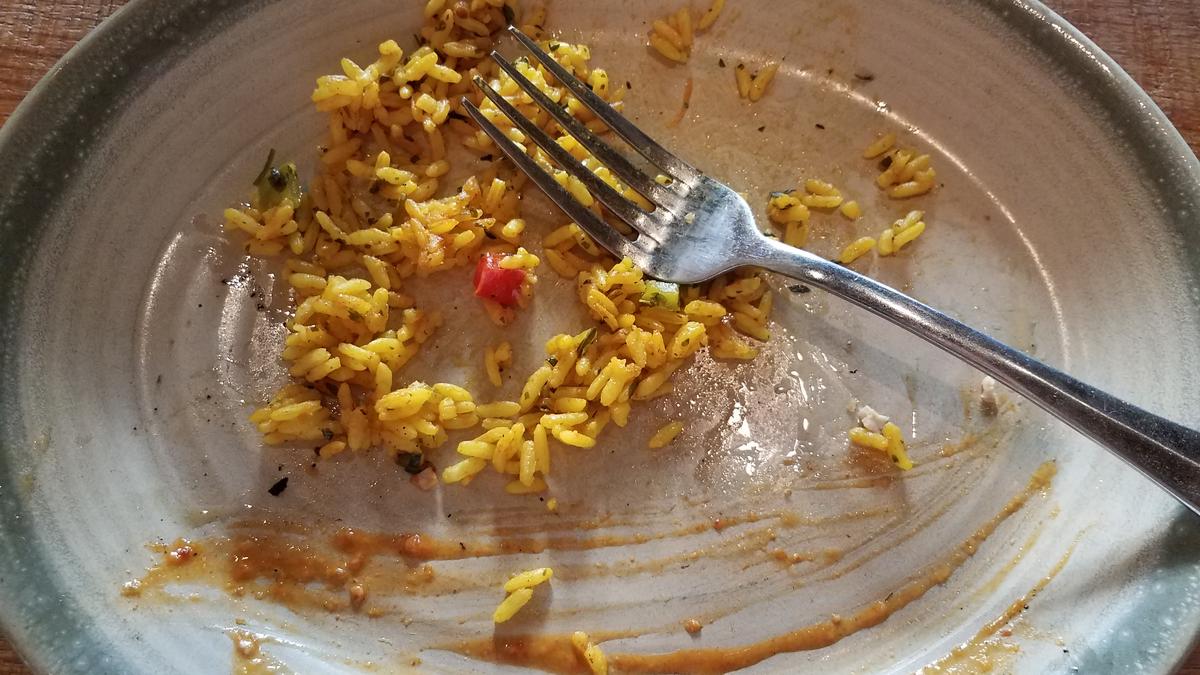
It is not uncommon for Indian women to believe that men’s dietary preferences should be considered foremost. It is also well-documented that many women are accustomed to eating leftovers because of the dictates of patriarchy. According to the 2011 India Human Development Survey, in about a quarter of Indian households, women are expected to have their meals after men have finished eating. This means that they end up with cold rotis, little dal, and no leafy veggies.
This can be true even of relatively progressive households. As the novelist, Shashi Deshpande, wrote in an essay titled Women, Food and Cooking (2022): “...My mother, protesting that she had had enough, possibly deprived herself when something was insufficient. Not just this; the burnt chapati was hers, the broken jowar roti was hers, the cracked cup was hers, the dented and smallest plate was hers.” For many women, while preparing food is a duty, responsibility, or a labour of love, the ritual of eating is considered a waste of time. You may find few women licking their fingers, burping, or scraping tasty titbits off the pan.
Being late to the plate has serious implications for women’s physical and mental health. Early this year, Maharashtra’s Health Department found that women are more likely to be susceptible to malnourishment and nutritional deficiencies than men. As this piece pointed out last week, not just women’s health but maternal health too is seen solely from the lens of pregnancy and childbirth. “In India’s long battle against malnutrition, women and girls remain the most overlooked section,” said this piece, ahead of World Nutrition Day (May 28).
Various efforts have been made to change this trend. In 2015, the Rajasthan Nutrition Project ventured on a mission to encourage families to eat their meals together in two districts. Despite finding stiff resistance, they managed to make a difference.
In 2017, Punita Chowbey found in her study of 84 South Asian women living in Britain, India, and Pakistan that women sometimes took matters into their own hands. Whenever they were upset with their husbands, they would alter the order in which they served food, or simply serve smaller portions (though they would give the extra portions to their sons).


ECI orders immediate transfer of officials in Kerala for April Assembly polls, restricting their involvement in election-related tasks.

South Western Railway introduces special express trains for Ugadi festival to manage increased passenger demand and ease travel congestion.

Udupi's Sri Lakshmi Express bus service halts after owner’s death, disrupting travel for hundreds, including students during II PUC exams.

Madras High Court defers ruling on tender disputes for live webcasting in Tamil Nadu Assembly elections 2026, affecting surveillance companies.

Hyderabad's LPG crisis forces kitchens to switch to firewood, raising environmental, health, and fire safety concerns amid rising costs.

Congress urges Election Commission to reconsider Puducherry Assembly election date, citing potential campaigning challenges and Assembly tenure concerns.

Shorts News:JD Vance backs Trump’s handling of Iran war amid speculation of rift

The Clamorous reed warbler is as loud as they come, but in the urban environment, it is outshouted. Weed clearing in urban habitats brings down its home, the bulrushes. Bulrushes in wetlands are not encroachments, but ‘legal homes’ to birds in the crake and rail family and warblers, so government line agencies ought to tread on them thoughtfully

Uttar Pradesh ATS arrests a dental student for alleged connections to an ISIS online module, probing extremist recruitment activities.

Rajinikanth refutes TVK leader's claims about DMK threats preventing his political entry, expressing gratitude to supportive political figures.

Tamil Nadu CM Stalin celebrates the Union government's approval for archaeological excavations, crediting DMK's persistent advocacy for the win.

Dilip Ghosh will contest Kharagpur Sadar in the 2026 West Bengal polls, aiming for increased BJP votes.

A hotel fire in Pahalgam leads to one death from a reversing fire tender; multiple LPG blasts hinder firefighting efforts.