KDA to recommend minor State languages as third-language option in schools
The Hindu
Amidst the ongoing debate over the State government’s decision to only grade third language papers in the SSLC exam, the Kannada Development Authority (KDA) has decided to recommend that the government include 27 languages, spoken by more than 10,000 people in the State, as third languages.
Amidst the ongoing debate over the State government’s decision to only grade third language papers in the SSLC exam, the Kannada Development Authority (KDA) has decided to recommend that the government include 27 languages, spoken by more than 10,000 people in the State, as third languages.
As of now, the State offers third languages such as Hindi (NCERT), Kannada, English, Arabic, Urdu, Sanskrit, Konkani, Tulu, and Marathi. The new proposal by KDA would include other minority languages of the State, apart from Tulu and Konkani already being taught, like Kodava, Yarava, Badaga, Arebhashe, and Koraga languages among others to be offered as a third language.
The KDA has conducted a study and prepared a report on the prevailing micro-languages in the State. According to the report, there are 290 micro-languages in Karnataka. Of these, 27 languages are spoken by more than 10,000 people. The number of Kannada speakers in the State is 4,06,22,836, while the number of Tulu speakers is 1,92,915, the number of Kodava speakers is 1,10,508 and around 26,536 people speak the Yarava language.
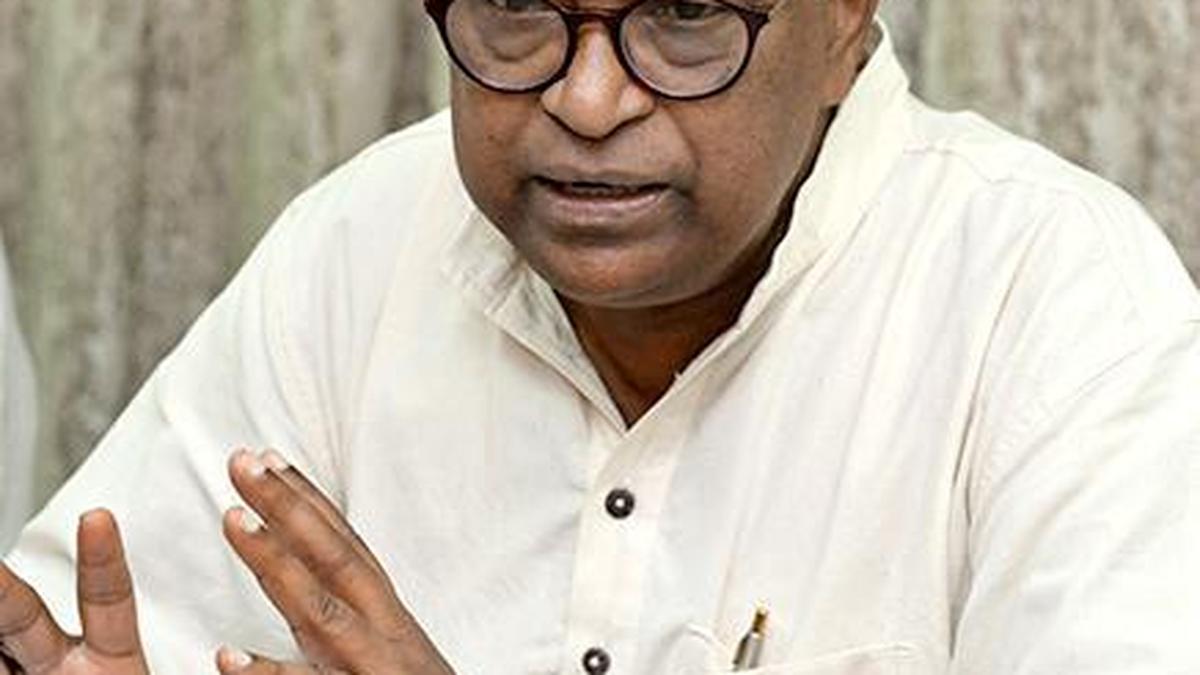
Speaking to The Hindu, Purushottama Bilimale, chairman, KDA, said the report was ready and will be submitted to the government soon. “It is not right to adopt only dominant languages, including Hindi, as the third language in the State. Instead, emphasis should be placed on the other micro-languages existing in the State. If the micro-languages in the State are to flourish and grow, at least languages spoken by more than 10,000 people should be introduced as a third language. Otherwise, these minor languages will die in the next ten years,” he said.
“My mother tongue is ‘Arebhashe,’ and when we were students, we unknowingly referred to our mother tongue as Kannada. However, after the Arebhashe Academy was established, everyone started identifying their mother tongue as Arebhashe. Now, the use of that language has increased in the community. If the Koraga language is allowed to be taught in schools in the Kundapur region, it will survive. If not, the language will die soon,” he said. Kannada will also benefit if these languages survive, he argued.
These languages are spoken primarily in limited areas. Therefore, in the areas where minor languages are spoken, there should be an opportunity to study these minor languages as a third language alongside other languages already being offered as a third language, Prof. Bilimale argued.


Over 1,700 students graduated at IGNOU's 39th Convocation in Chennai, boosting socio-economic development across Tamil Nadu and beyond.

Karnataka mandates audits for adolescent pregnancies, addressing health risks and ensuring comprehensive support for affected girls aged 10-18.

Dakshina Kannada police recovered 150 lost mobile phones in March through the CEIR portal, returning them to their owners.

Shashi Panja questions the fairness of Bengal elections, highlighting voter disenfranchisement and political violence amid rising tensions.

Auto LPG supply resumes at 17 outlets in Telangana, ensuring uninterrupted service for auto drivers and enhancing local livelihoods.

Kerala's Assembly elections 2026 concluded with vibrant, high-energy campaigning as leaders made fervent appeals to voters.

Congress leader D.K. Suresh warns that delimitation could lead to economic hardship for South Indian states, impacting representation and resources.

Ten emerging Tamil Nadu athletes receive ₹50,000 scholarships at a CSK event, inspiring future sports talent.

As Kerala's 2026 Assembly elections approach, Paravur emerges as a key battleground for Congress, Left, and NDA candidates.

SERP: CSE graduate finds livelihood in construction business through State support

Government withholds caste enumeration deliberation records from RTI requests, citing exemptions under the Right to Information Act.

SEIL Energy hosts health awareness camps in Nellore, promoting preventive healthcare and community empowerment on World Health Day.

Cash payments at toll plazas will be discontinued for travellers on National Highways from April 10, 2026. In cases where a vehicle enters a toll fee plaza without a valid FASTag, users can still pay via Unified Payment Interface (UPI), but at a higher charge of 1.25 times the applicable toll fee.