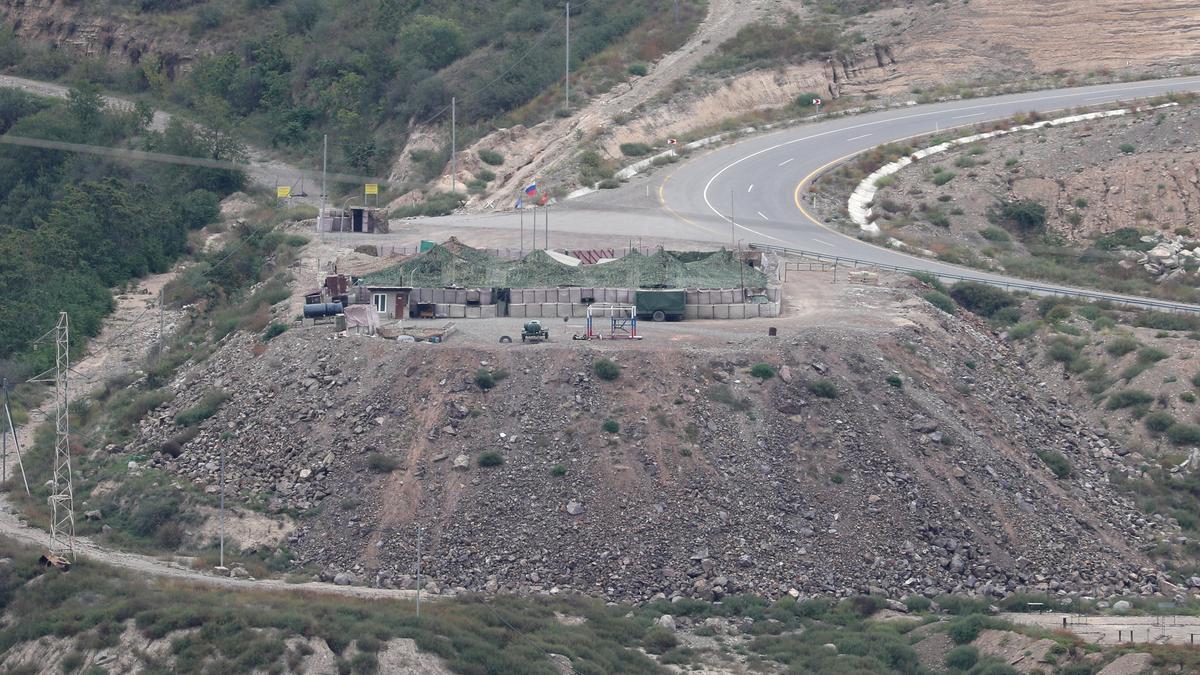
Karabakh rebels hand in arms and negotiate withdrawal
The Hindu
The years of fighting in Nagorno-Karabakh have been marked by abuses on both sides and there are fears of a new refugee crisis.
Nagorno-Karabakh separatists were negotiating the end of their long struggle against Azerbaijani rule on Saturday, surrendering their weapons after a lightning government offensive.
If the ceasefire holds it will mark the end of a conflict between Caucasus rivals Armenia and Azerbaijan that has raged, off and on, through the three decades since the collapse of the Soviet Union.
On Friday, Moscow confirmed that the rebels had surrendered their first weapons and the process is expected to continue through the weekend, with the help of Russian peacekeepers.
Germany meanwhile called for the rights of the residents of the mountainous region to be guaranteed, as concern grew in the international community over the plight of the mainly Armenian-speaking civilians there.
A U.S. congressional delegation was expected to meet Armenian leader Prime Minister Nikol Pashinyan to, in the words of the U.S. embassy, discuss "the impact of Azerbaijan's recent military actions on the Armenian population of Nagorno-Karabakh".
The years of fighting in Nagorno-Karabakh have been marked by abuses on both sides and there are fears of a new refugee crisis. This week's Azerbaijani offensive left tens of thousands of ethnic Armenians cut off from electricity in the disputed enclave.
In the Armenian border town of Kornidzor, civilians have been gathering, some of them waiting for days, at the last checkpoint before Azerbaijani territory hoping for news of relatives stuck in the embattled enclave.


Vietnam accelerates its shift to ethanol fuel as rising energy prices from the Iran war impact its economy.

Teenagers sue Musk's xAI, alleging its image-generator created explicit images of them as minors, sparking concerns over AI safety.

Shorts News:Watch: Netanyahu: Israel ‘acted alone’ in Iranian gas field attack

Indonesian billionaire Michael Bambang Hartono, co-founder of Djarum Group, has died at 86, leaving a significant legacy.

European nations, Japan, and Canada unite to ensure safe passage through the Strait of Hormuz and stabilize energy markets.

Some of the estimated 20 billion yuan ($2.9 billion) worth of equipment, including screen-printing production lines, will require export approval from Chinese regulators, according to the people. It wasn't immediately clear how much of the equipment would require approval or how long it would take.

Three men, including a Super Micro VP, charged with smuggling U.S. AI technology to China, threatening national security.

Trump compares U.S. strikes on Iran to Pearl Harbor in meeting with Japan's PM, highlighting the element of surprise.

Iran-Israel war: Follow the latest updates from The Hindu on the West Asia conflict on March 20, 2026

The closure of the Strait of Hormuz disrupts a vital artery of the global economy, triggering price increases and turmoil in energy markets; as supply shocks reshape the geopolitics of energy, countries like India, the U.S., and Russia recalibrate strategies amid shifting oil flows and rising dependence

EU lawmakers advance U.S. trade deal legislation, overcoming delays and adding safeguards amid concerns over compliance from the Trump administration.

Pro-Iran Iraqi group pauses U.S. embassy attacks for five days, imposing conditions amid ongoing regional tensions and strikes.

Russia condemns the Israeli airstrike injuring RT journalists in Lebanon, calling it deliberate amid ongoing regional conflict.