Kamloops, B.C., working to remove invasive Russian olive trees — but it could take decades
CBC
Russian olive trees — sometimes known as silver berry or oleaster — are small, ornamental plants with silvery leaves and black bark, and small yellow flowers and silver fruit that look like miniature olives. They’re pretty, but they’re a problem.
The species is invasive in B.C., having been brought to the province from its native range in Russia and other parts of Asia, according to the Invasive Species Council of B.C. And that’s why some communities, like Kamloops, are looking to get rid of them.
Russian olive is a hardy plant that can survive in dry conditions and cold temperatures, making it perfect for a climate like that of Kamloops, a semi-arid, desert-like city in B.C.’s Interior.
They take in more water than most plants in areas where the soil is dry, which means they can outgrow native plants, the invasive species council says.
“Whenever you have a non-native species, there's some that are fairly assertive, aggressive and those are the ones that we are concerned about,” council executive director Gail Wallin said.
She said Russian olive are “huge competitors” for water.
“In a time when we're really concerned about water and water availability for our native species and for habitats, that's a real concern.”
But getting rid of them isn’t so easy. Because they have a strong root system and will grow back if every bit of plant isn’t removed, extra care has to be taken, according to Wallin.
In Kamloops, the city is taking a different approach.
Instead of pulling up trees and risking not getting the roots, or spraying them with pesticides that could be harmful to the ecosystem, the city is using biological controls — bugs.
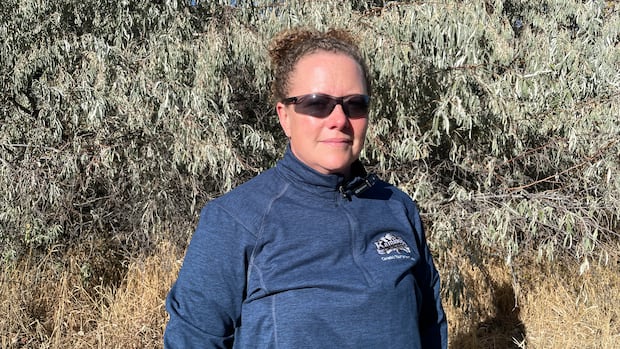
Aceria angustifoliae are small mites found in Europe and Asia, according to Kirsten Wourms, the crew leader of natural resources for the City of Kamloops.
She said the mites affect the flowers, the fruits and new young shoots of the trees so that they cannot reproduce.
“Over time, we're actually looking at the Russian olive population decreasing,” Wourms said.


Jenelle Hughes says she worries every time her two older children take their car to get to Fanshawe College in London, Ont., from their home in Dutton.

Oil prices fell Monday morning after President Donald Trump said the U.S. would hold off on striking Iran’s energy infrastructure amid productive talks between the two countries.

While spring technically started late last week, Newfoundland and Labrador isn't free from winter weather just yet.

The Sudbury School Bus Consortium is suspending all school buses in Greater Sudbury as the community continues to clean up following a major storm.

Two large corporate landlords owning a combined 9,008 rental units in Halifax are reporting smaller annual increases in their average rents for 2025 than the previous year.

The Holt government has reached a deal with Ottawa on compensation for tens of millions of dollars in lost sales tax revenue from the Christmas season in 2024.

The government of Saskatchewan has announced plans to reduce the length of non-resident game bird hunting licences to combat illegal guiding.

An 87-year-old Alberta man is fighting extradition to the United Kingdom to stand trial for historical allegations of physical and sexual assault involving minors.

Eight casinos across southwest B.C. have been sold to First Nations in the last two years, with the province's gambling scene set to be reshaped as a result.

Hamilton hosts the Junos Sunday, and the musical awards show is bringing tourists, musicians, concerts and a ton of themed events to the city this week.

The multi-million-dollar deal at the heart of a high-profile fight between the Canadian government and one of the world’s biggest carmakers contains multiple clauses about the company’s footprint in Ontario, according to a copy obtained by CBC Windsor.

In recent months, Calgary police have carried out three day-long safety blitzes, parading out dozens of officers to flood an area with their increased presence — at least, temporarily.

A national organization is seeking people with experience in Canada's forestry sector as they put together a working group that will examine ways to improve forest recovery following wildfires.