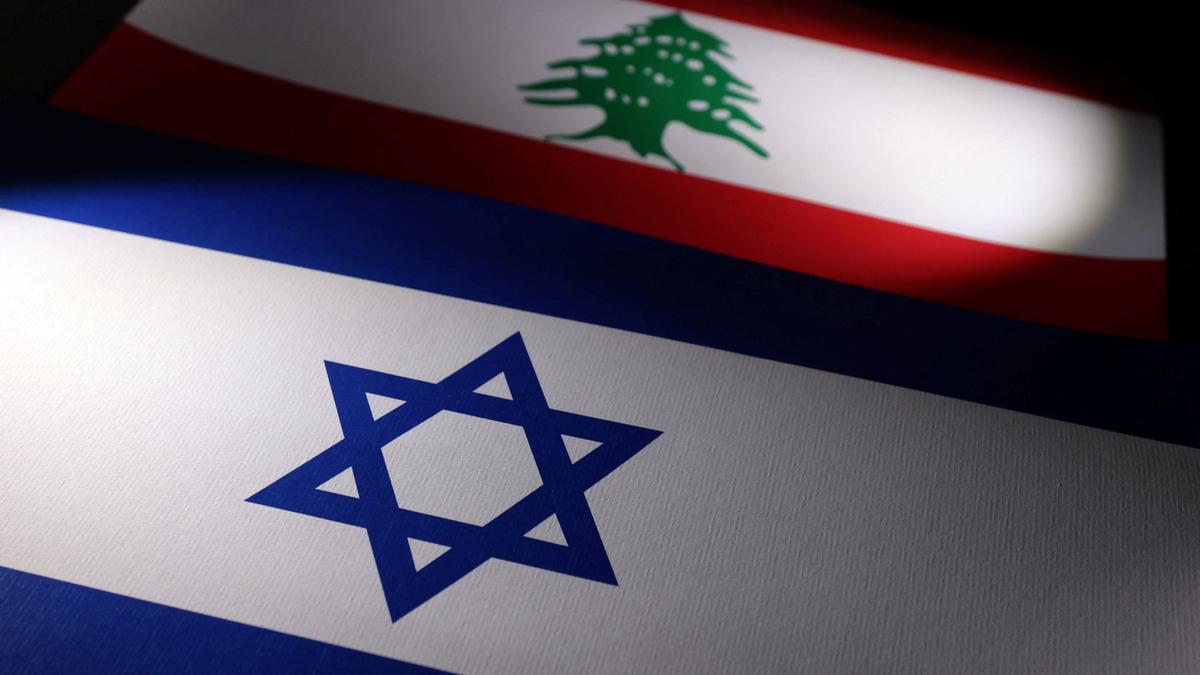
Israel says forces carrying out 'offensive action' in south Lebanon
The Hindu
Israeli forces conduct offensive action in southern Lebanon, targeting Hezbollah; UNIFIL reports no ground crossing; cross-border tensions escalate.
Israeli forces are carrying out "offensive action" across southern Lebanon, Defence Minister Yoav Gallant said Wednesday without specifying whether ground troops had crossed the border.
"Many forces are deployed on the border and IDF (army) forces are carrying out offensive action currently throughout southern Lebanon," Mr. Gallant said in a statement.
He also claimed that "half of Hezbollah's commanders in southern Lebanon have been eliminated" in months of violence. "The other half are in hiding and abandoning the field to IDF operations," he added without giving a specific number.
A spokesman for the United Nations Interim Force in Lebanon (UNIFIL) told AFP that "we didn't detect any ground crossing today."
The Israeli army said it had struck 40 Hezbollah targets in southern Lebanon. "A short while ago, IDF (army) fighter jets and artillery struck approximately 40 Hezbollah terror targets" around Aita al-Shaab in southern Lebanon, including storage facilities and weaponry, it said.
The army said Hezbollah "has established dozens of terror means and infrastructures in the area" to attack Israel.
Lebanon's state-run National News Agency said Israel had carried out more than 13 strikes near Aita al-Shaab and surrounding villages. "Israeli warplanes carried out... more than 13 air strikes targeting the outskirts of the towns of Aita al-Shaab, Ramya, Jabal Balat and Khallet Warda," it said.


NTSB investigates a near-collision between Alaska Airlines and FedEx jets at Newark, raising safety concerns in air traffic control.

Vietnam accelerates its shift to ethanol fuel as rising energy prices from the Iran war impact its economy.

Teenagers sue Musk's xAI, alleging its image-generator created explicit images of them as minors, sparking concerns over AI safety.

Shorts News:Watch: Netanyahu: Israel ‘acted alone’ in Iranian gas field attack

Indonesian billionaire Michael Bambang Hartono, co-founder of Djarum Group, has died at 86, leaving a significant legacy.

European nations, Japan, and Canada unite to ensure safe passage through the Strait of Hormuz and stabilize energy markets.

Some of the estimated 20 billion yuan ($2.9 billion) worth of equipment, including screen-printing production lines, will require export approval from Chinese regulators, according to the people. It wasn't immediately clear how much of the equipment would require approval or how long it would take.

Three men, including a Super Micro VP, charged with smuggling U.S. AI technology to China, threatening national security.

Trump compares U.S. strikes on Iran to Pearl Harbor in meeting with Japan's PM, highlighting the element of surprise.

Iran-Israel war: Follow the latest updates from The Hindu on the West Asia conflict on March 20, 2026

The closure of the Strait of Hormuz disrupts a vital artery of the global economy, triggering price increases and turmoil in energy markets; as supply shocks reshape the geopolitics of energy, countries like India, the U.S., and Russia recalibrate strategies amid shifting oil flows and rising dependence

EU lawmakers advance U.S. trade deal legislation, overcoming delays and adding safeguards amid concerns over compliance from the Trump administration.

Pro-Iran Iraqi group pauses U.S. embassy attacks for five days, imposing conditions amid ongoing regional tensions and strikes.