Iran built a vast camera network to control dissent. Israel turned it into a targeting tool
ABC News
Israel’s use of Tehran street cameras to help kill Iran’s supreme leader shows how everyday surveillance can turn into a wartime weapon
TEL AVIV, Israel -- The role of Israel's hijacking of Iran’s street cameras in the killing of the country’s supreme leader underscores how surveillance systems are increasingly being targeted by adversaries in wartime.
Hundreds of millions of cameras have been installed above shops, in homes and on street corners across the world, many connected to the internet and poorly secured. Recent advances in artificial intelligence have enabled militaries and intelligence agencies to sift through vast amounts of surveillance footage and identify targets.
On Feb. 28, Israel vividly demonstrated the potential of such systems to be hacked and used against adversaries when Israel tracked down Iranian leader Ayatollah Ali Khamenei with the help of Tehran’s own street cameras - despite repeated warnings that Iran’s surveillance systems had been compromised, according to interviews and an Associated Press review of leaked data, public statements and news reports.
The use of hacked surveillance cameras among other intelligence in the operation to kill Khamenei was described to the AP by an intelligence official with knowledge of the operation and another person who was briefed on the operation. Neither was authorized to speak with the media and both shared information on condition of anonymity.
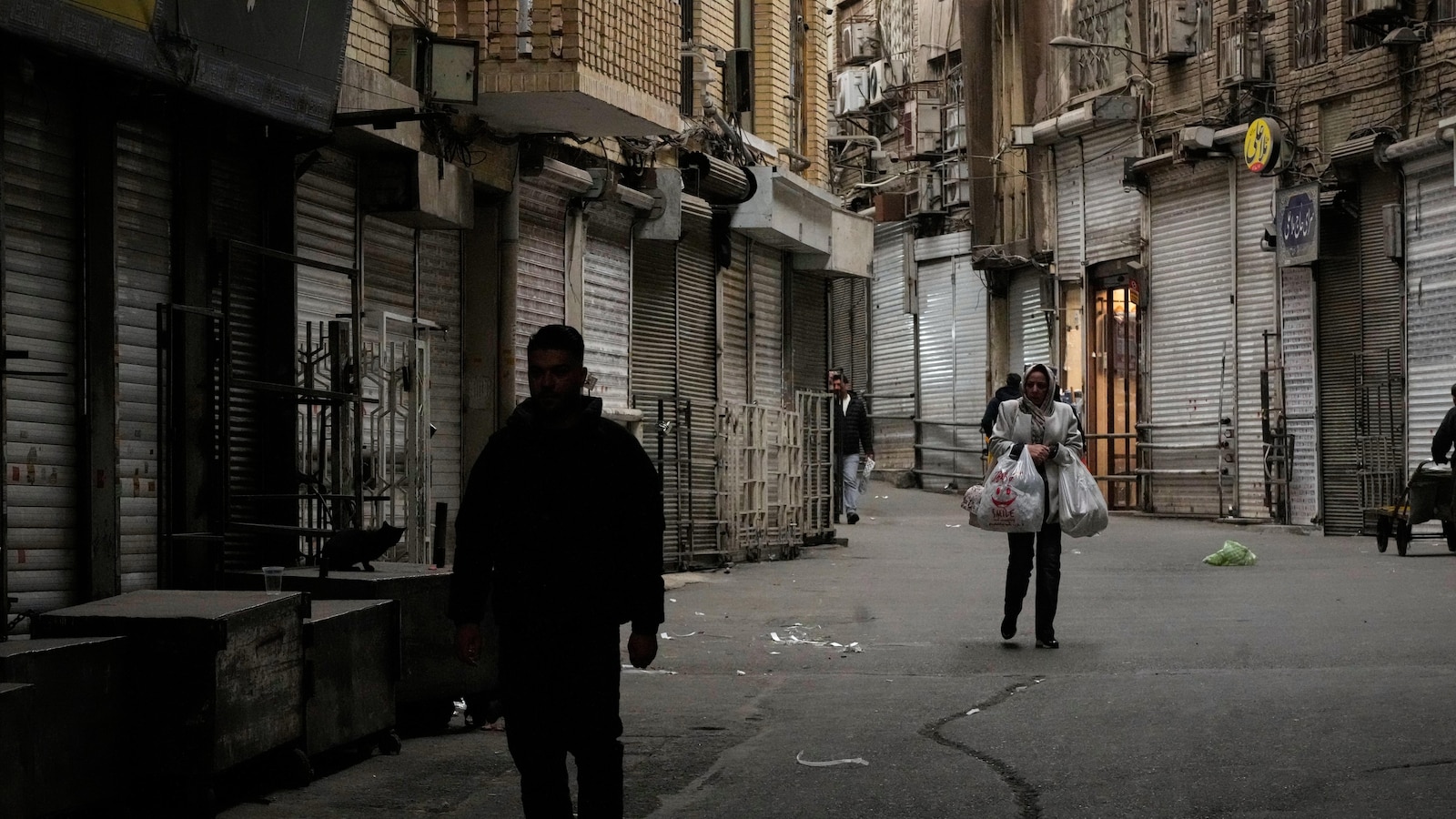
Iran has installed tens of thousands of cameras in its capital in response to waves of protests, most recently in January, when massive nationwide demonstrations ended in a bloody crackdown that killed many thousands of Iranians.


The Trump administration is launching investigations into 13 states that require health insurance plans to cover abortion

American Airlines and Google said Thursday that they significantly reduced the climate impact of some of the airline’s flights using an AI-based forecasting tool to help prevent contrails

Health Secretary Robert F. Kennedy Jr. is promoting food as medicine, but experts say he's overstating what diet can do for serious illness

Pophouse Entertainment Group has acquired Tina Turner's name, image and likeness rights as well as the majority of her music catalog rights from music company BMG

A Chinese province has intensified a crackdown on fentanyl precursor trafficking, an issue that strained U.S.-China relations and prompted tariffs on imports from China

About 2,400 Kaiser Permanente mental health workers are striking in Northern California over fears the company will replace therapists with artificial intelligence

Nairobi County has introduced Kenya’s first menstrual leave policy for female government staff, aiming to boost health and productivity

Rocks from outer space are constantly hurtling toward Earth, slamming into the atmosphere and often exploding into fireballs that both delight and alarm people

Arizona has become the first state to file criminal charges against Kalshi, accusing the prediction market platform of operating an illegal gambling business within its borders

Nairobi County has introduced Kenya’s first menstrual leave policy for female government staff, aiming to boost health and productivity

Closing arguments are set to kick off Tuesday in a trial filed against Elon Musk by former Twitter shareholders

Can you scream your way to happiness

A federal judge in Boston has blocked federal health officials from cutting the number of vaccines recommended for every child, and says U.S. Health Secretary Robert F. Kennedy Jr. likely violated federal procedures in revamping a key vaccine advisory ...